Organizations from the Valparaíso region took part in IMFD workshop on data and artificial intelligence
The second session of “Know your data: an essential step for AI” brought together professionals from universities, a school, and companies in Viña del Mar, who worked on diagnosing and organizing their institutions’ data.
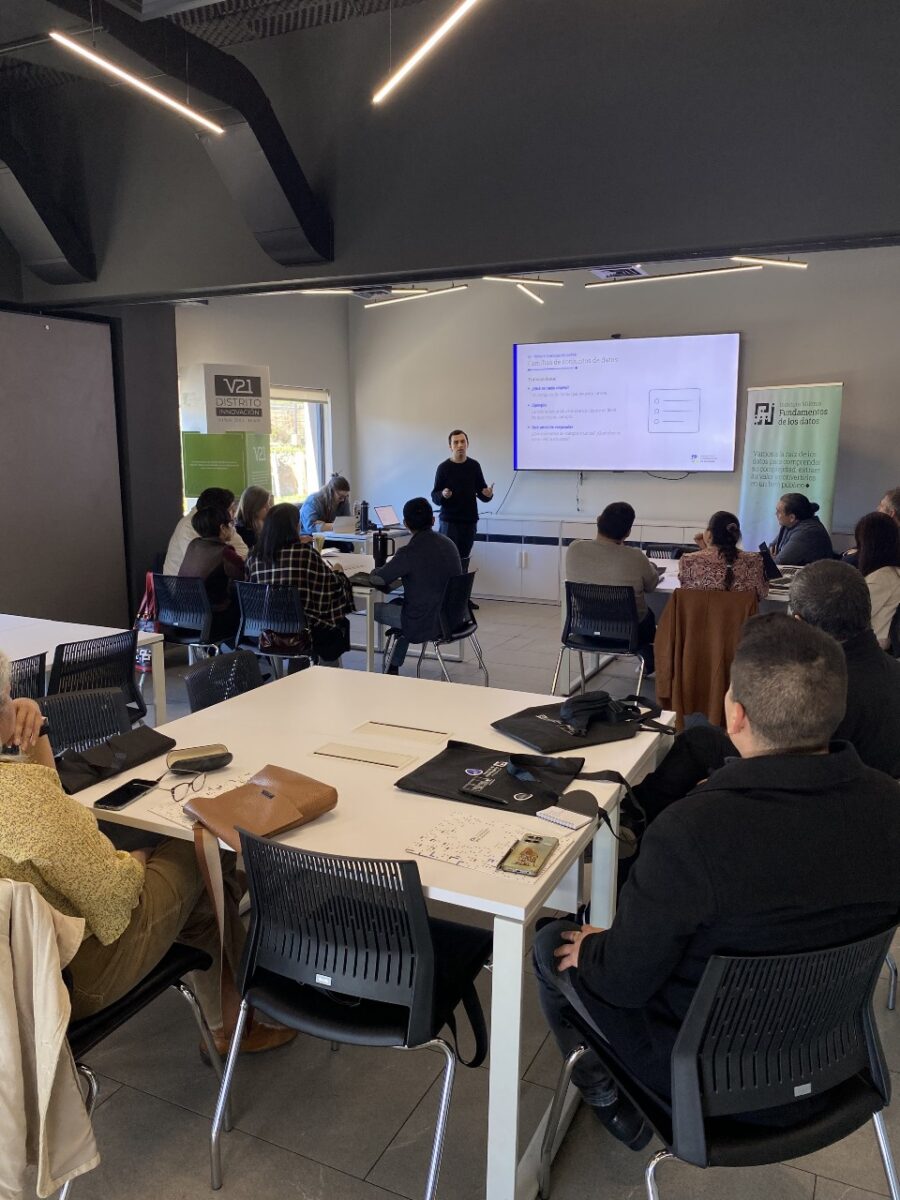
Fifteen professionals took part on Friday, September 4, in the second session of “Know your data: an essential step for AI”, a workshop organized by the Millennium Institute for Foundational Research on Data (IMFD) to provide tools that enable organizations to know, organize, and manage their data before incorporating artificial intelligence into their processes.
The activity was held at the V21 Innovation District in Viña del Mar and brought together representatives from educational institutions and private organizations in the Valparaíso region.
The starting point of the workshop is simple: before incorporating artificial intelligence, organizations need to know what data they have, what condition it is in, and what they want to use it for. Building on this diagnosis, each session addresses concepts and tools related to data management, quality, and integrity.
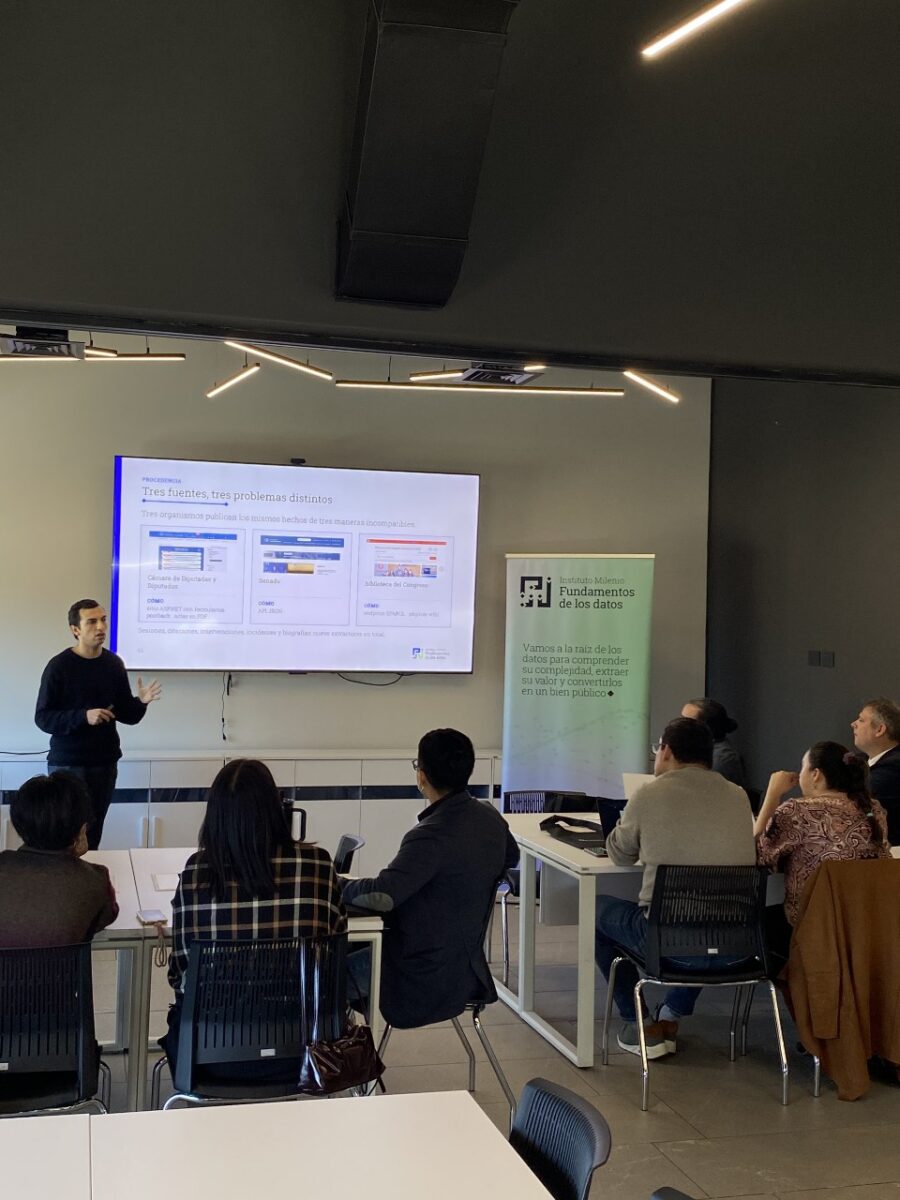
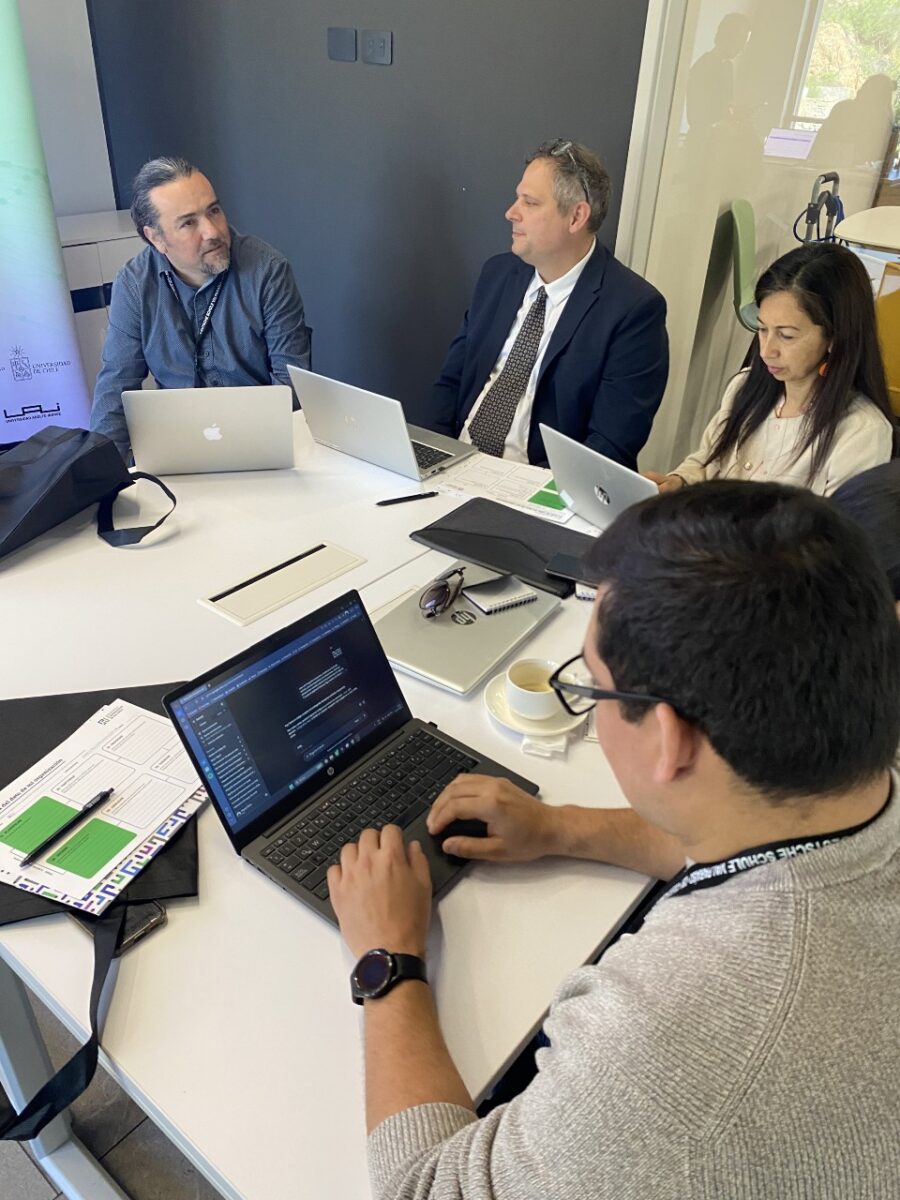
From diagnosis to practical application
The session combined conceptual content, self-assessment, and hands-on work. At the beginning and end, participants took self-assessment tests to identify the state of their organizations’ data and evaluate their progress throughout the activity.
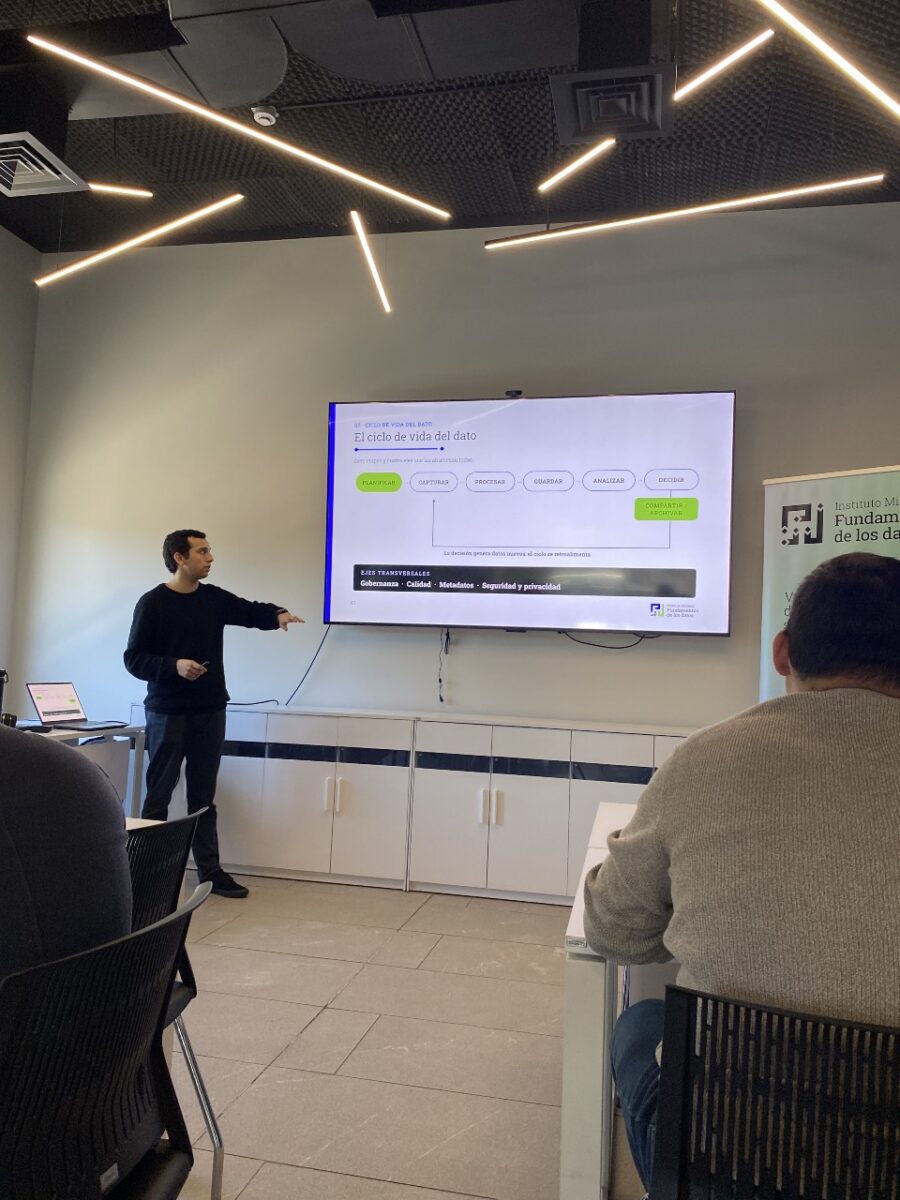
In the keynote talk, “Get to Know Your Data,” fundamental concepts such as the structure, life cycle, and quality criteria of data were reviewed. Four methods for connecting an organization’s information with large language models, such as ChatGPT, Claude, or Gemini, were also presented.
The activity also included use cases developed by IMFD, which made it possible to see how these concepts can be applied to real-world problems.
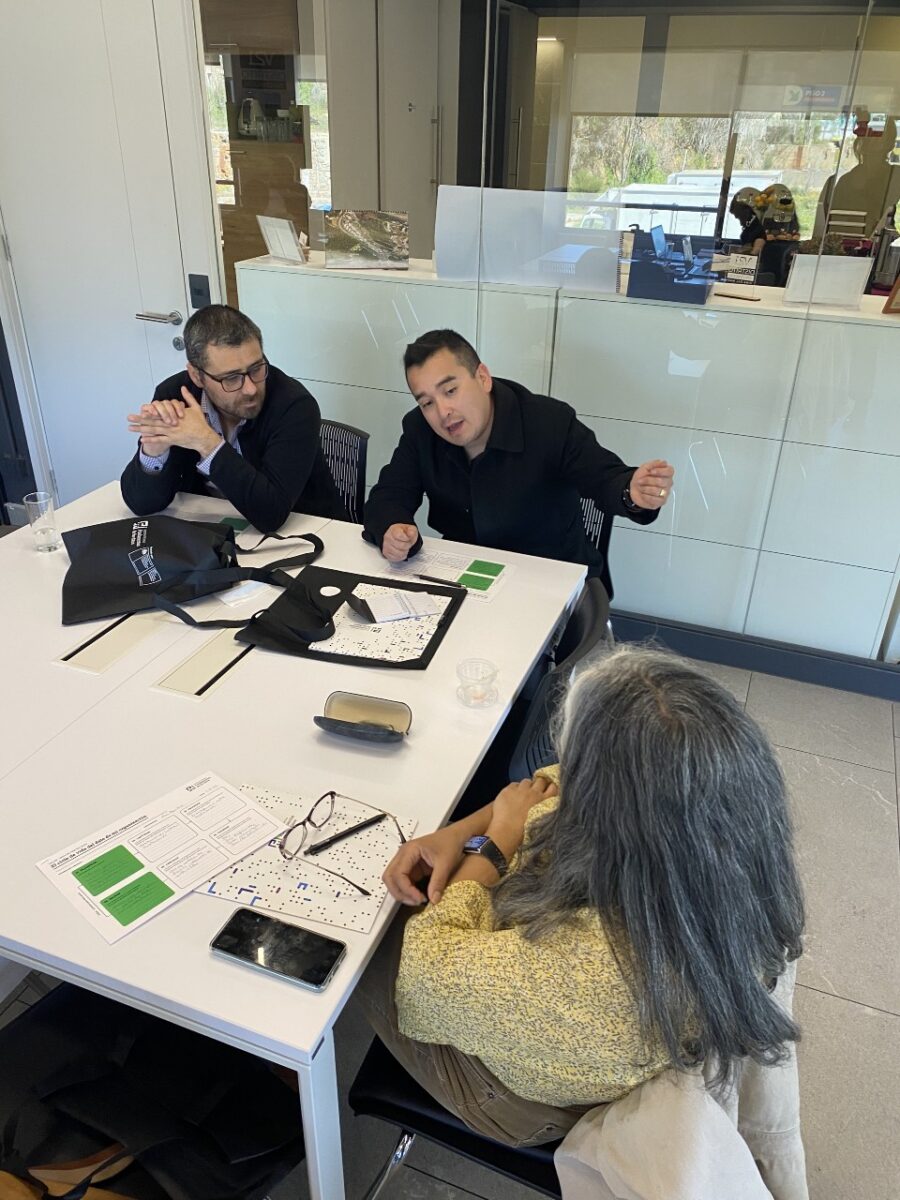
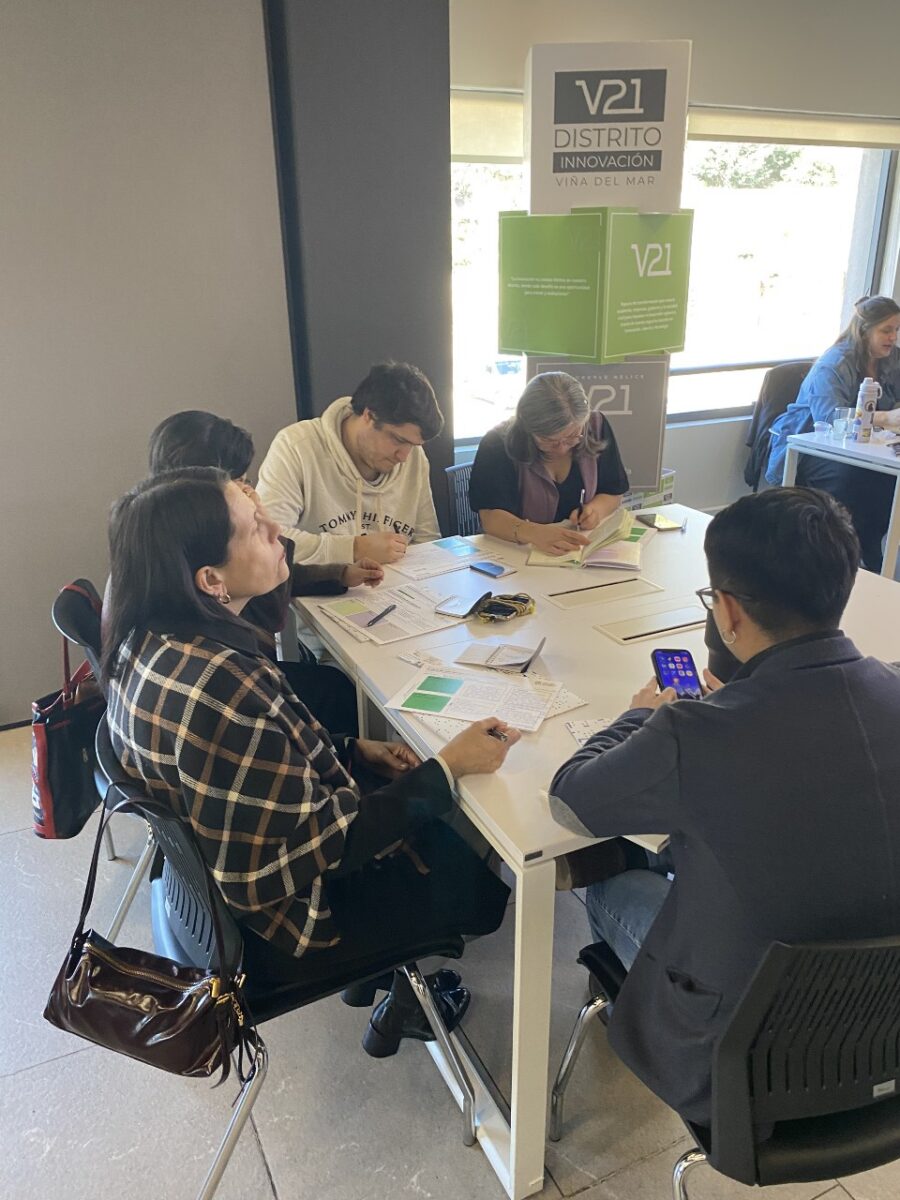
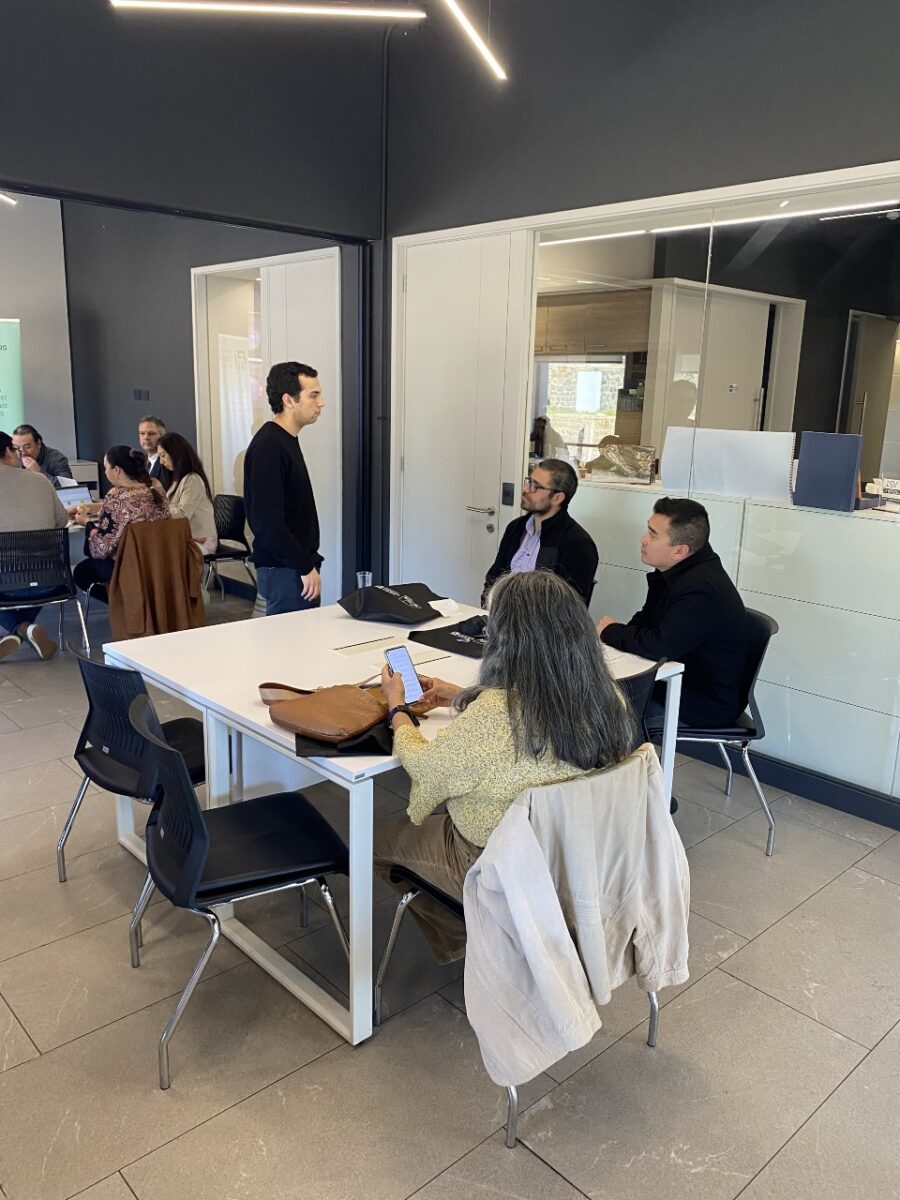
During the workshop “The Life Cycle of My Organization’s Data,” each participant mapped out the journey that data follows within their institution: from the questions they seek to answer and the way data is captured, to its processing, storage, analysis, and use in decision-making.
“What I valued most was the way the information was structured (…) I feel this talk helped me better orient what I am learning. What resonated with me most was the topic of metadata, the cross-cutting themes, and the data life cycle,” commented Joaquín Marchant, a guest from Pontificia Universidad Católica de Valparaíso (PUCV) and a student in the Diploma in Big Data and Data Science.
The talk, use cases, and workshop were led by Nicolás Estévez of IMFD. The welcome and moderation of the event were led by Antonia Fonck, coordinator of the institute’s Research and Academic Training Directorate.
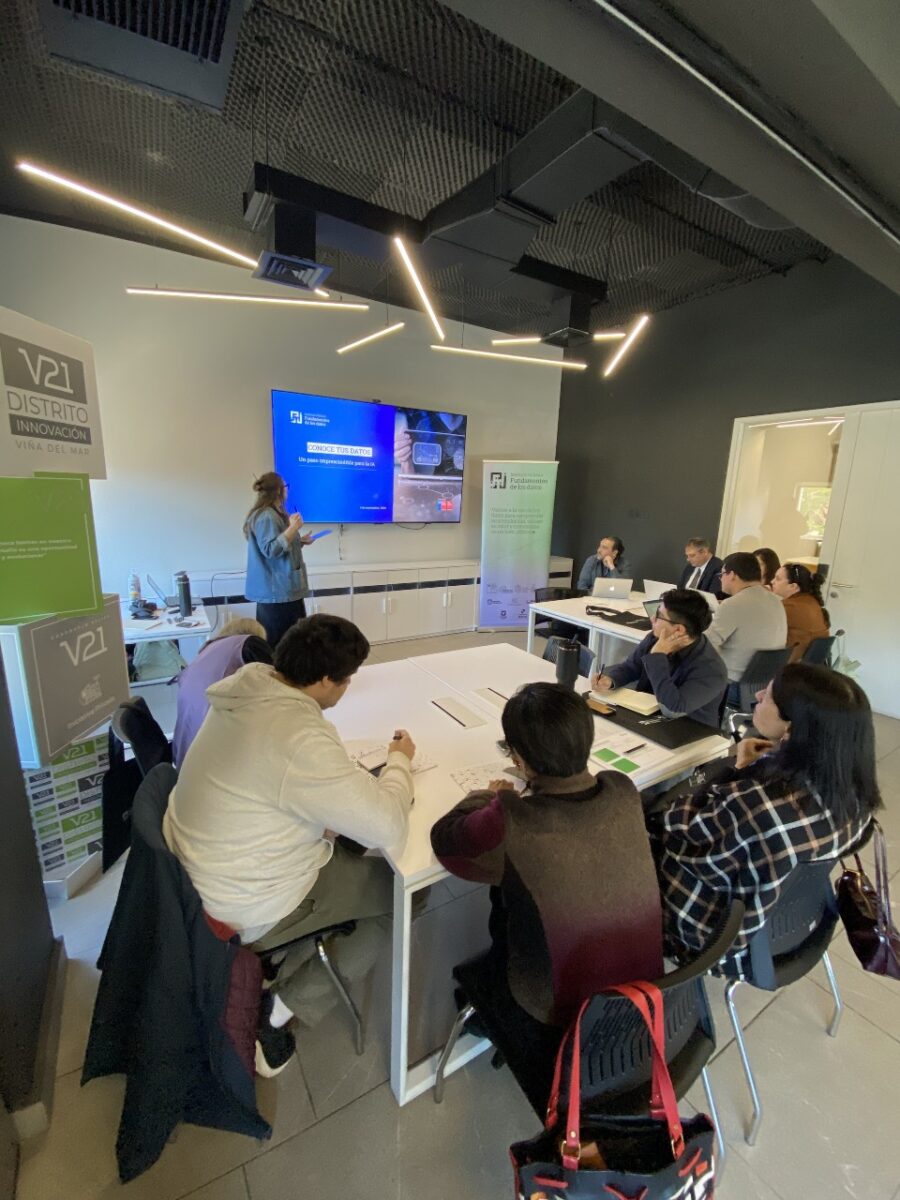
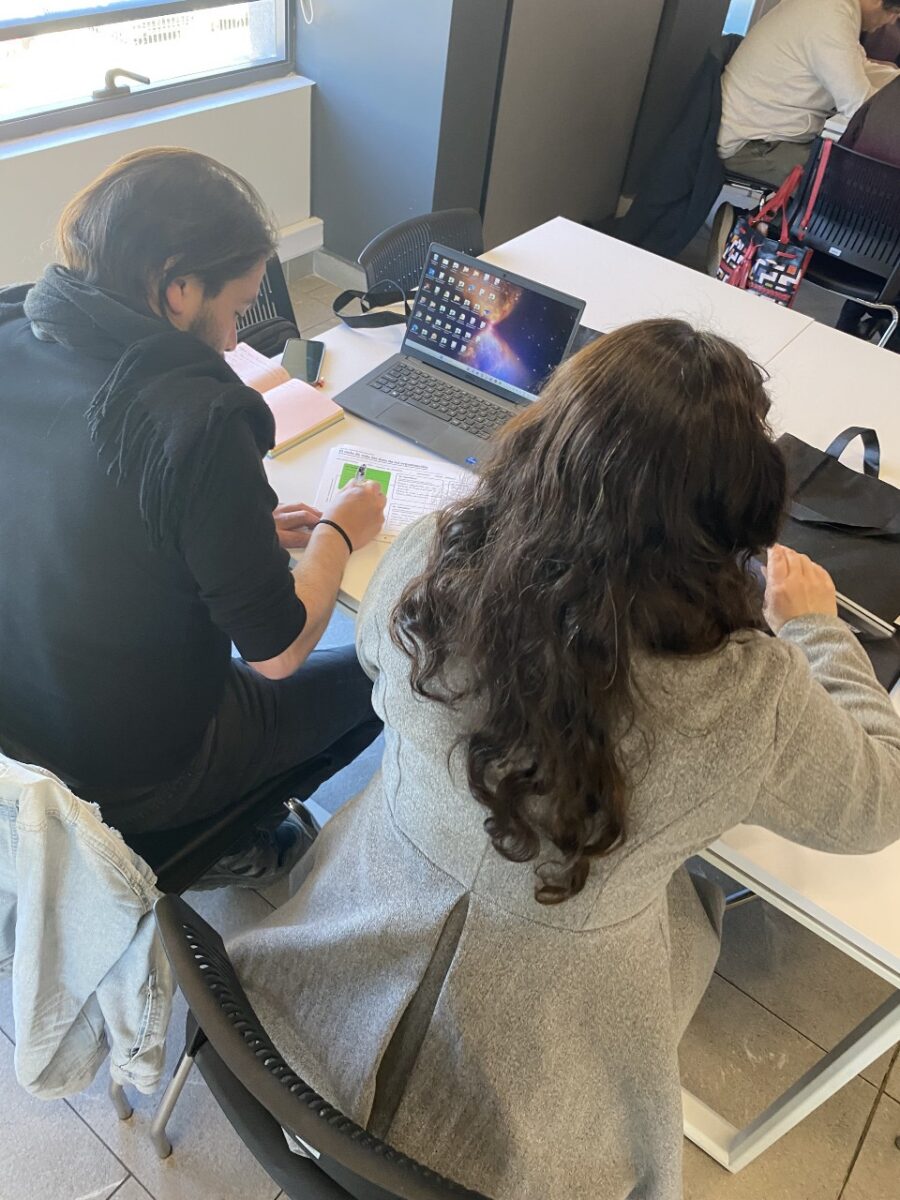
The experience of educational and private organizations
For Irene Ortega, Director of Quality Promotion at PUCV, one of the main contributions of the workshop was its direct application to working with institutional information.
“(The workshop) provided a lot of clarity on how to process information, how to take care of the information you have (…) and it also invites you to observe the structure of the information being provided. In that sense, what they just shared with us is extremely valuable,” she said.
The Colegio Alemán de Valparaíso took part with a team of six people from the areas of IT, management, administration, and pedagogy. Its principal, Dr. Markus Stobrawe, highlighted lessons learned related to data organization and management.
“I take away basic things: order, who has access to which data and how it is organized, but also that AI can support us in that order and in exploring data for decision-making,” he explained.
The institution also identified concrete potential applications of these tools in its management, including information analysis to support student tracking and decision-making.
From the private sector, Christian Sáez, civil construction engineer at Sáez Ingeniería y Construcción SpA, particularly valued the content related to data management and the data life cycle.
“(The concepts I take away are) management, coordination, and planning. That covers quite a lot, but especially the last one, which allows me to review my data in an organized way,” he commented.
Upcoming dates in Concepción and Santiago
The workshop “Know your data: an essential step for AI” will have two new sessions during October: on Thursday, October 1 in Concepción and on Friday, October 23 in Santiago, the latter in hybrid format, both in-person and online.
Registration is open through the registration form.
As part of the project, the Millennium Institute for Foundational Research on Data (IMFD) will also develop a three-episode podcast miniseries, which will help extend and keep available the content covered during the workshop, in a format accessible to new audiences.
“Know Your Data: An Essential Step for AI” is funded by the Ministry of Science, Technology, Knowledge and Innovation, through ANID.