
Workshop “Digital Technologies and Indigenous Languages”
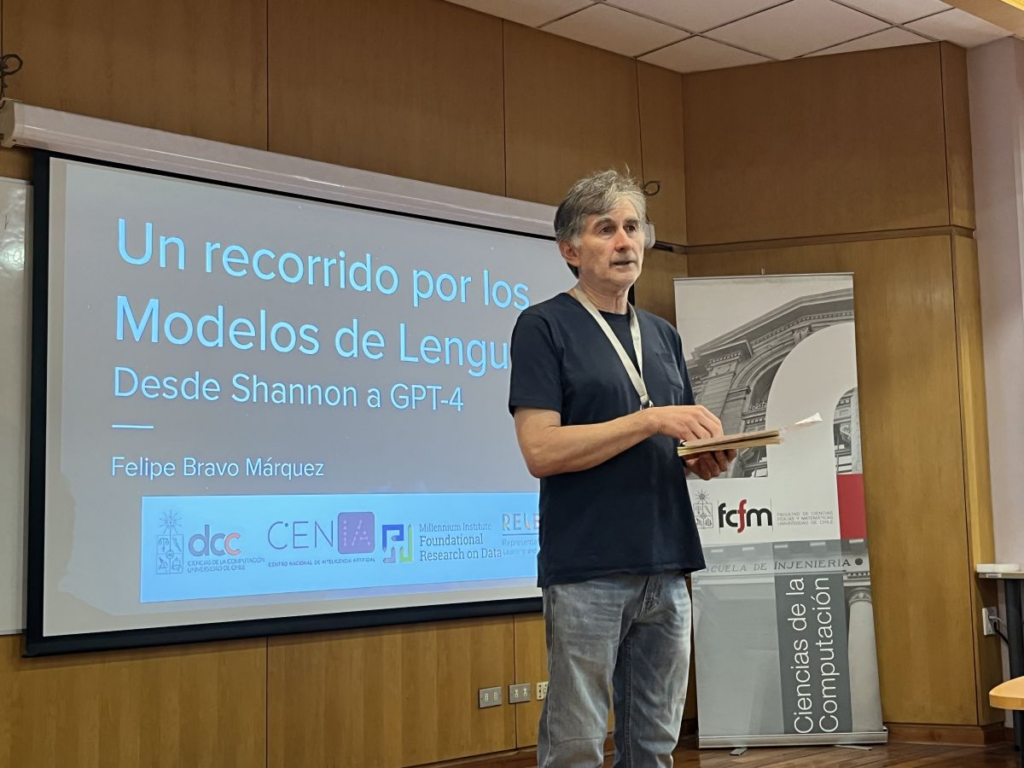
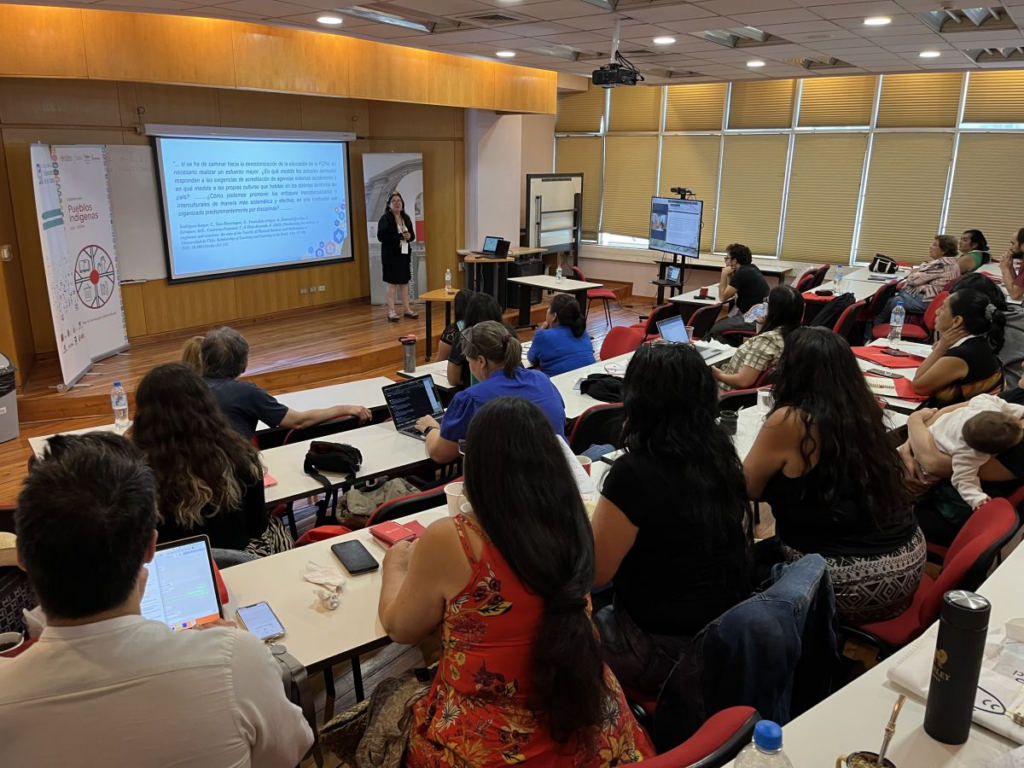
The goal was to explore how digital technologies can play a crucial role in the revitalization of minoritized languages. To this end, talks, workshops, and a training camp designed to develop innovative projects and initiatives were held. Among the highlights were various talks on Aymara, Quechua, and Mapuzugún, as well as the presentations “Natural Language Processing and Indigenous Languages: An Introduction” by Antonis Anastasopoulos, from the Department of Computer Science at George Mason University in the United States; “Education in Indigenous Languages: Faculty of Physical and Mathematical Sciences, Universidad de Chile” by Professor Doris Sáez Hueichapan, from the Subdirección de Pueblos Indígenas of the FCFM; the talk “International Decade of Indigenous Languages in the context of global and national priorities,” delivered by Alexey Tsykarev, from the University of Colorado Boulder, United States; and the tutorial on Digital Tools by Professor Alexis Palmer, also from the University of Colorado Boulder.
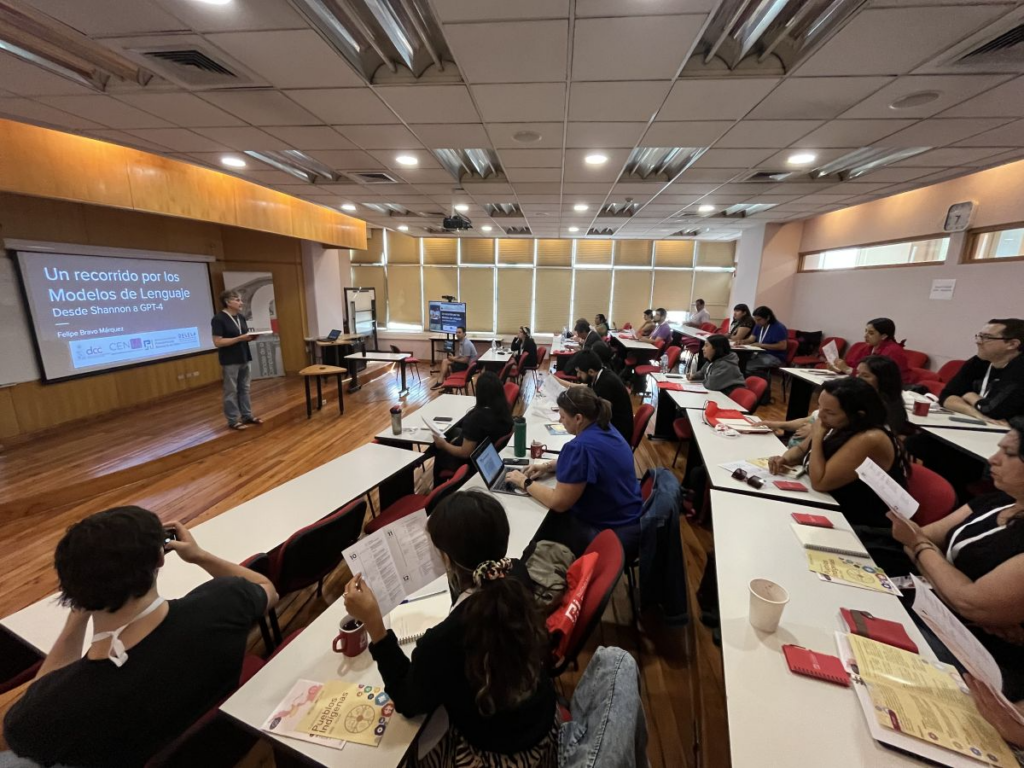
At the start of the activities, Professor Claudio Gutiérrez welcomed the attendees, noting on the occasion: “This event is an opportunity to explore the connections between digital technologies and indigenous languages in our country. We know there are many local efforts and individual initiatives, and we wanted to come together to try to cross experiences. The idea is to share knowledge, experiences, and initiatives, bringing together professors with students of linguistics and computer science, who we hope will in some way be motivated to take up these topics for their thesis, their degree project, their career, and we want it to be cross-fertilized with people who work with different communities in promoting and revitalizing indigenous languages.”
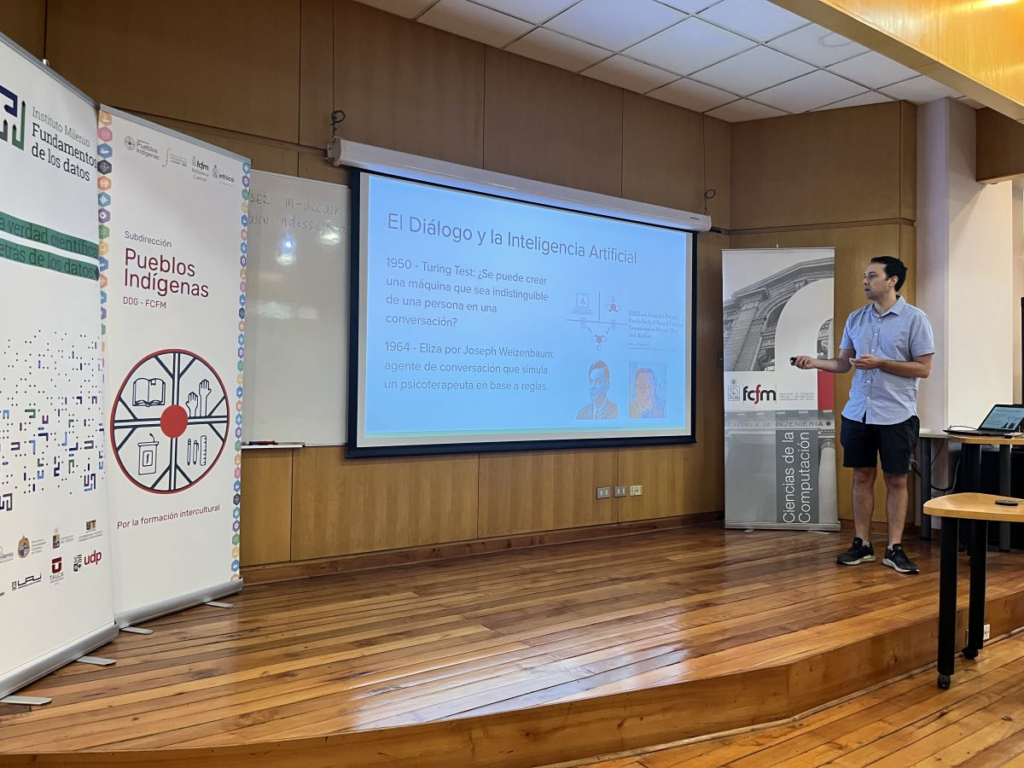
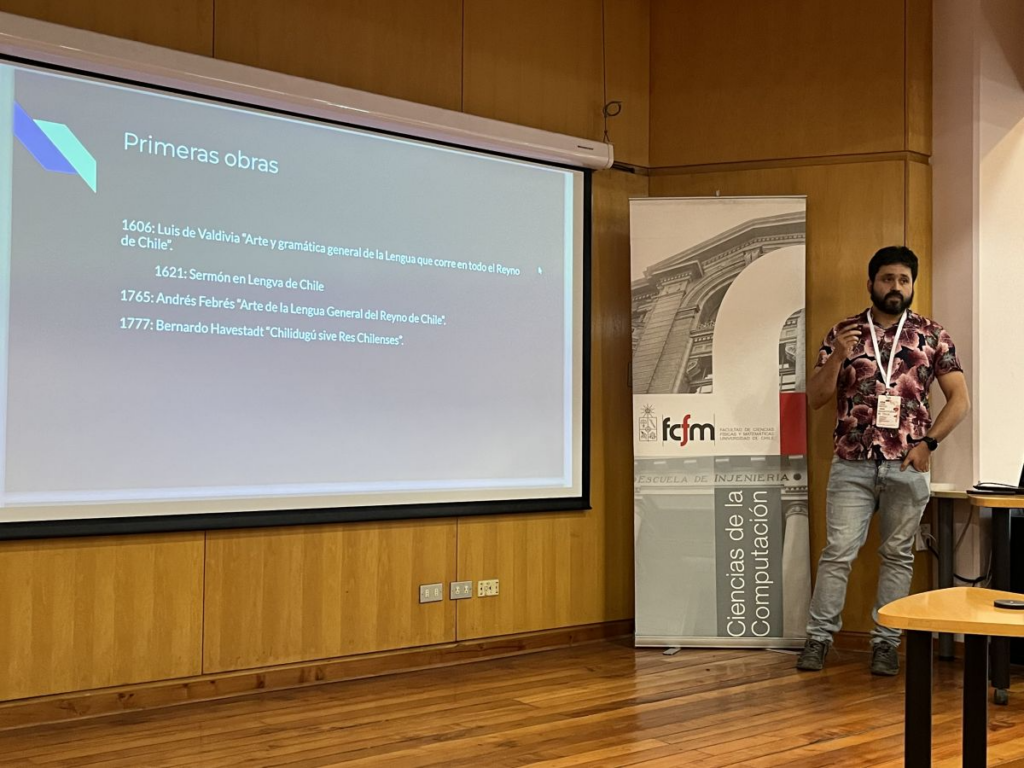
The event was supported by the North American Chapter Association Computational Linguistics (NAACL), the Millennium Institute for Foundational Research on Data (IMFD), the Centro Nacional de Inteligencia Artificial (CENIA), and NIC Chile.

Source: DCC U. Chile Communications