
“Let us Talk About Data”: the IMFD podcast that brought artificial intelligence to all of Chile
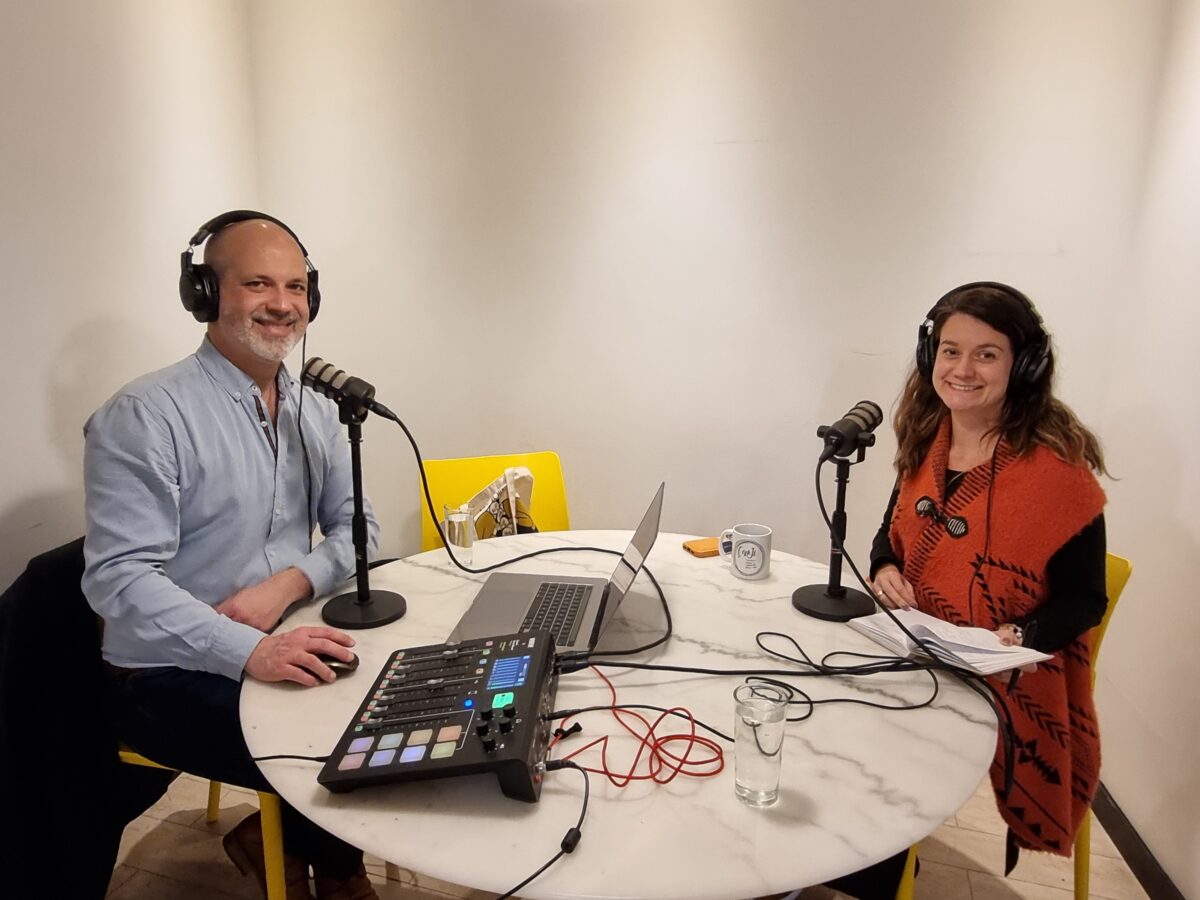
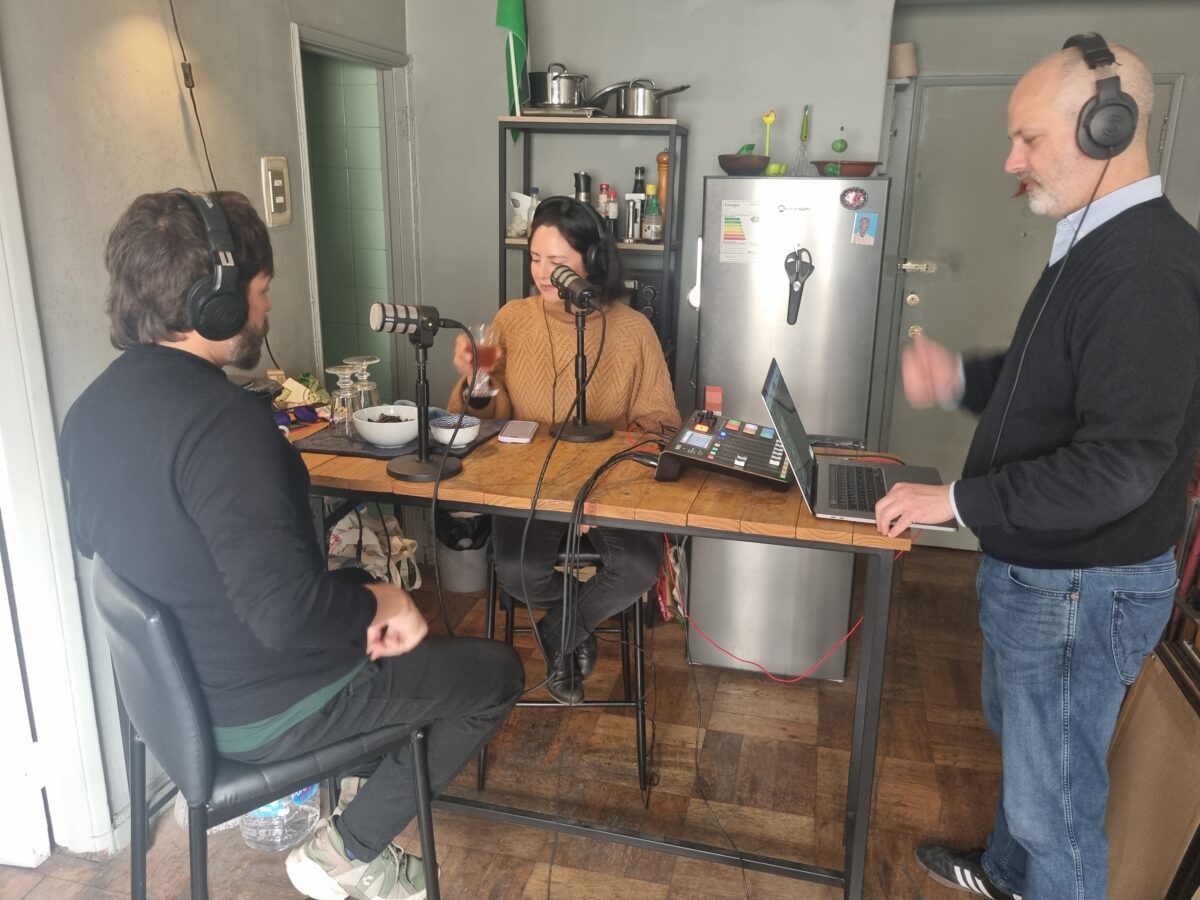
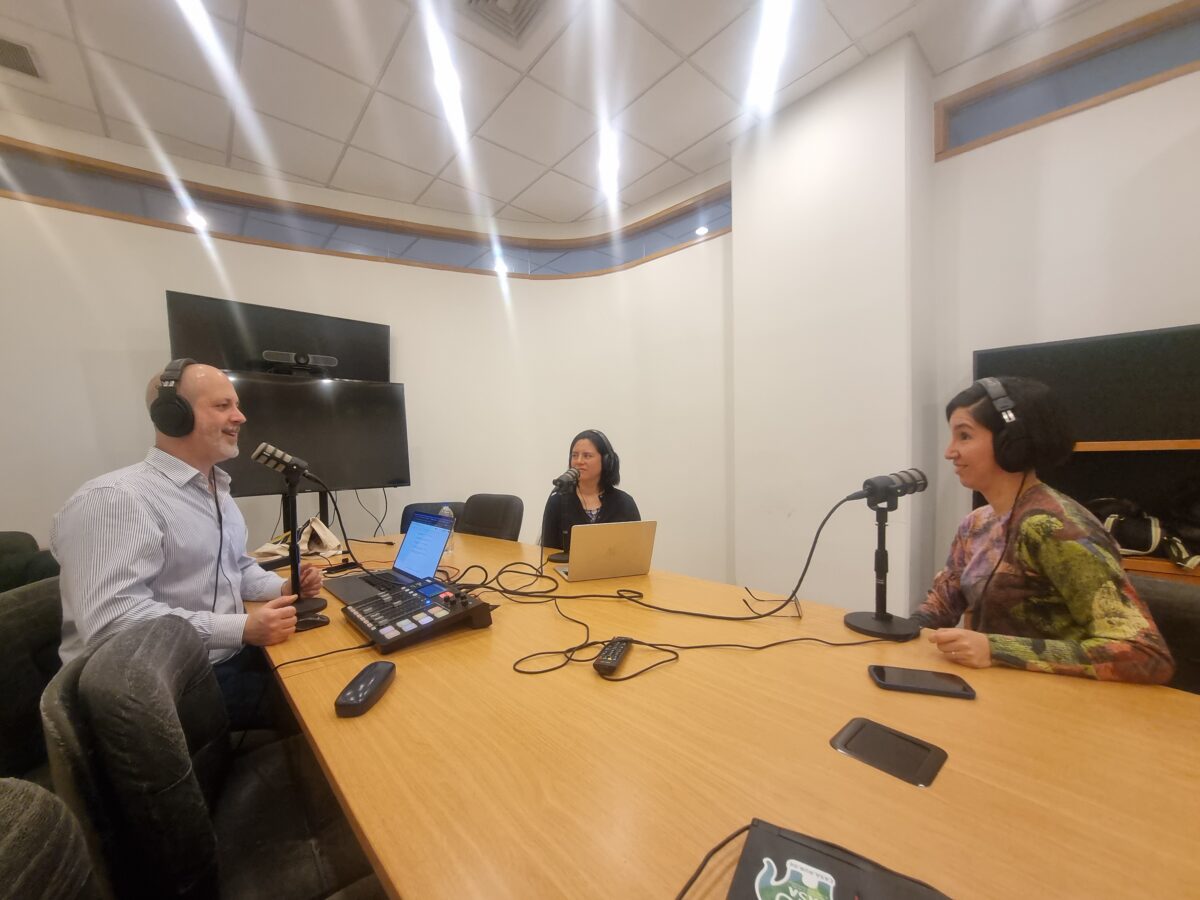
In 2025, the Millennium Institute for Foundational Research on Data (IMFD) launched “Hablemos de Datos, los fundamentos de la inteligencia artificial” (“Let us Talk About Data, the Foundations of Artificial Intelligence”), a podcast and radio program aimed at bringing citizens closer to the core topics of data science and artificial intelligence (AI) across different areas of social, professional, and cultural life. This initiative, funded by the Ciencia Pública program of the Ministry of Science, Technology, Knowledge, and Innovation, reflects the IMFD’s commitment to sharing scientific knowledge in an accessible and approachable way, expanding its reach beyond traditional digital platforms.
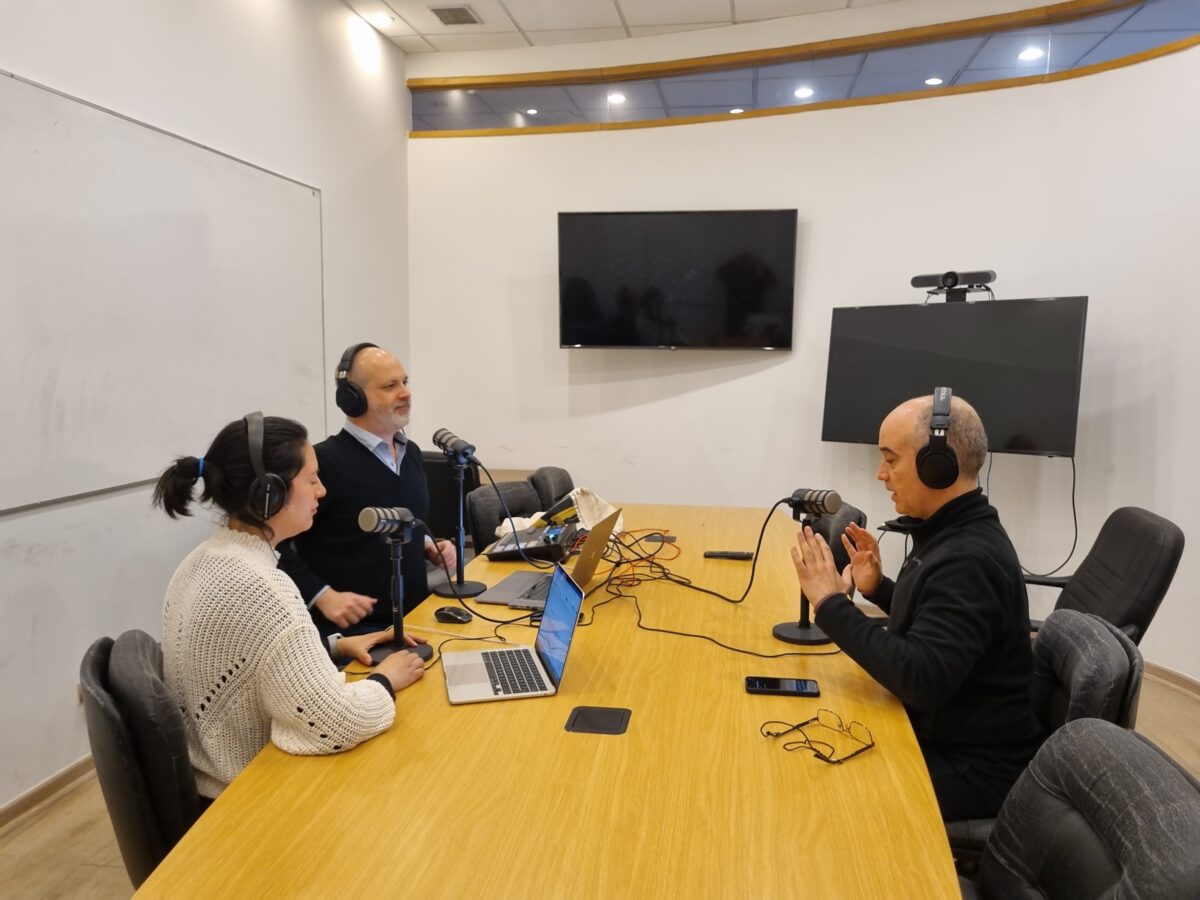
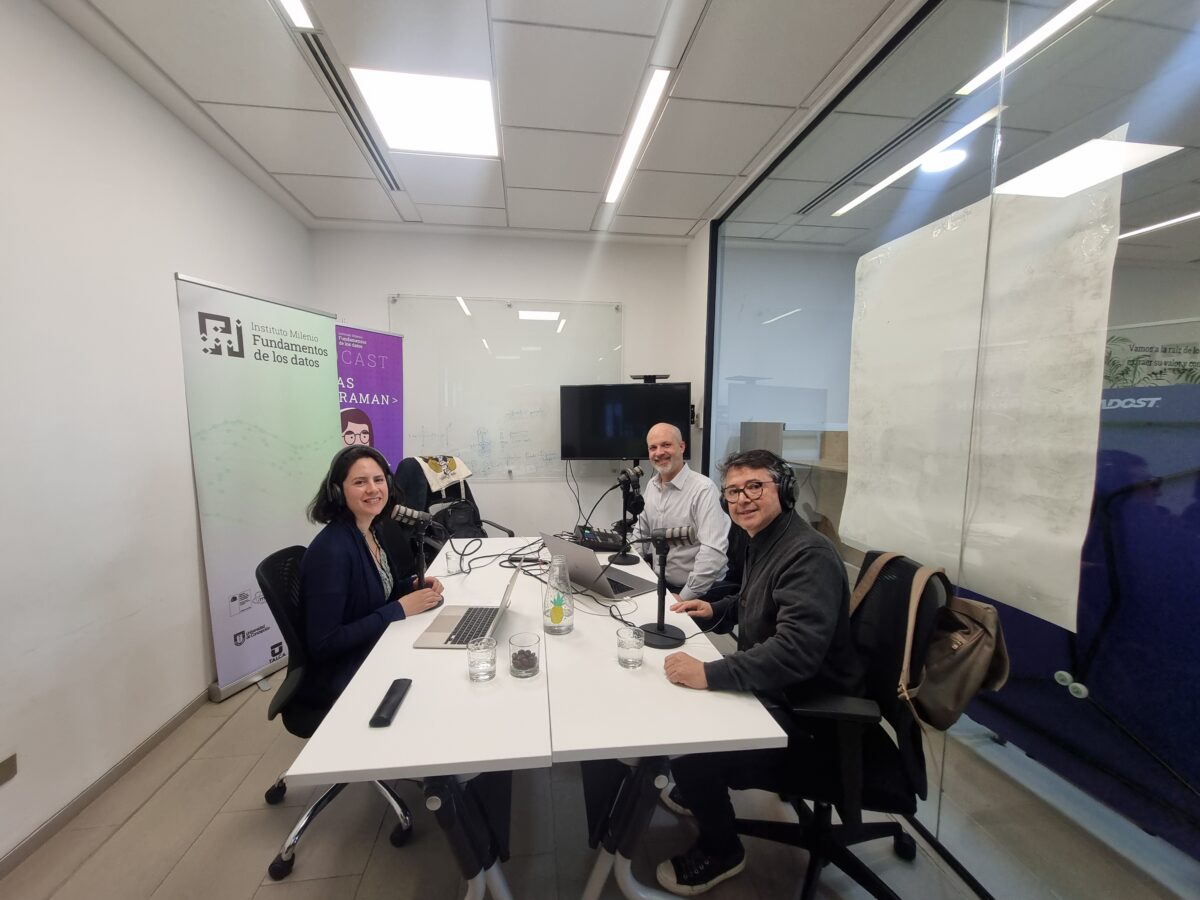
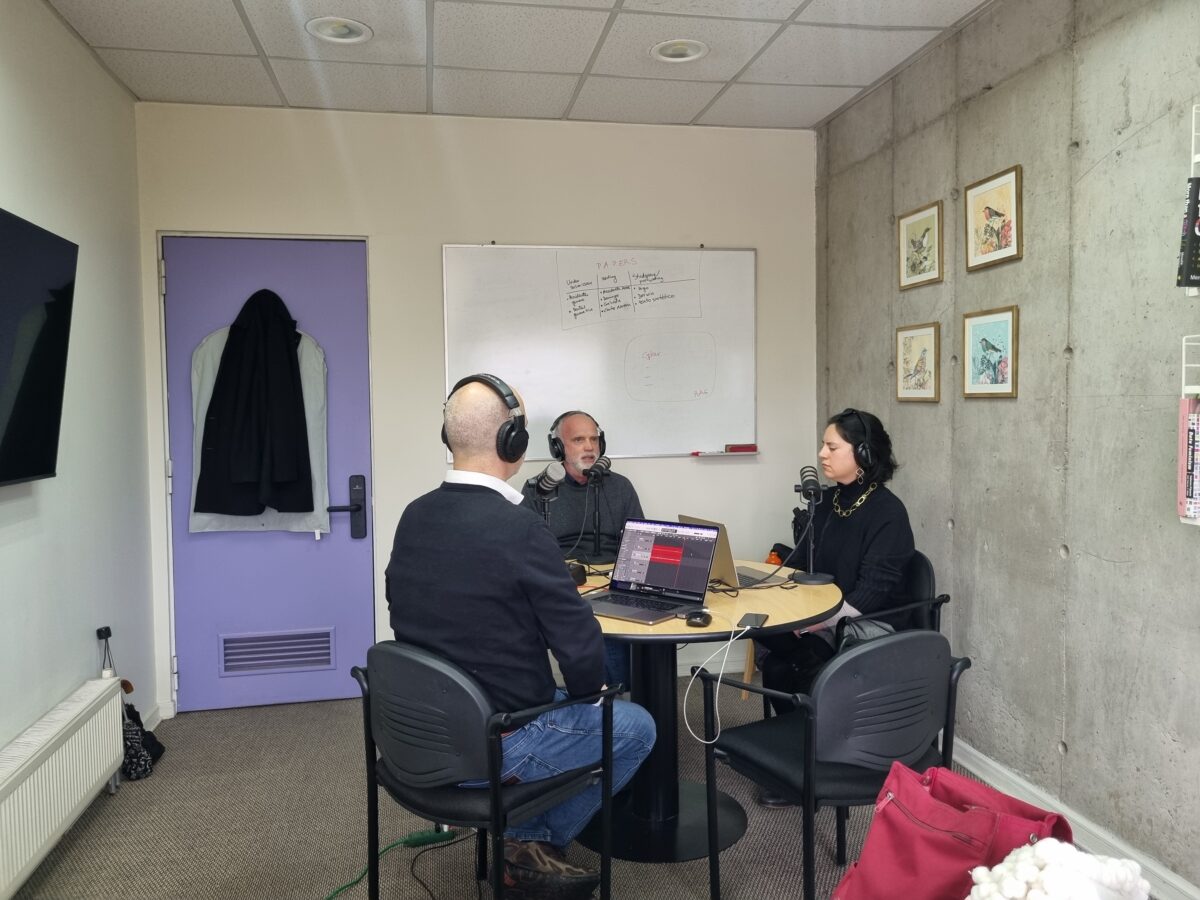
Across ten episodes, the series explored how data management and analysis are transforming sectors such as health, education, communications, art, sustainability, democracy, security, and historical memory, featuring interviews with leading representatives from each field. The podcast’s interdisciplinary approach connects academic research with concrete applications in Chilean society.
The production was built with a diverse team: coordination and direction by Paula Mónica Silva, academic hosting by Jocelyn Dunstan Escudero (IMC–DCC UC academic and IMFD researcher), and creative production by Davor Mimica, a well-known Chilean podcaster.
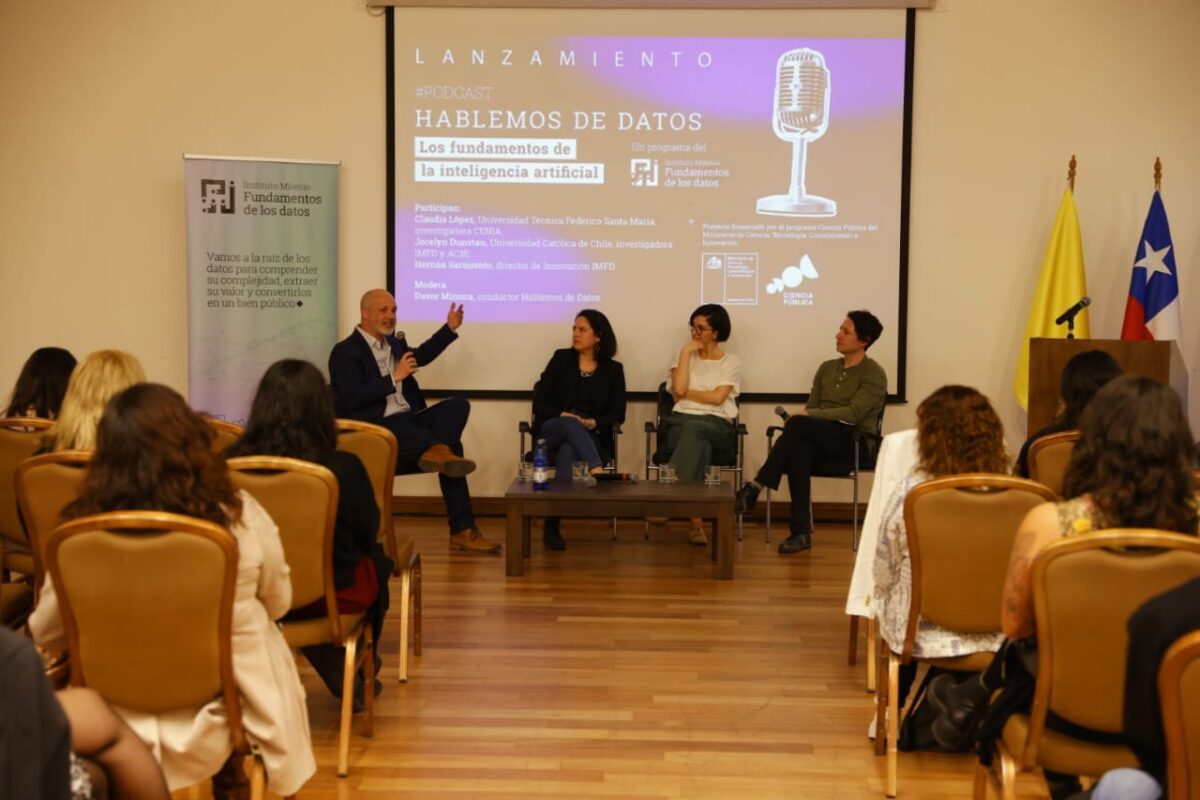
In addition to being available online at hablemosdedatos.cl, the series was broadcast across a wide network of local radio stations with coverage from Arica to Magallanes. These included Vilas Radio (Arica and Iquique), Radio FM Siete in Antofagasta and Calama, as well as community and regional stations in Vallenar, Los Andes, Valparaíso, Rancagua, Chillán, Osorno, Puerto Montt, Coyhaique, Puerto Aysén, and Punta Arenas, among others. This strategy reached diverse audiences, achieving coverage in more than 46 municipalities across the country.
One series, multiple perspectives
Each episode of the series unpacked a key aspect, seeking to showcase, in every chapter, an area in which artificial intelligence and data science are already being used in the country, and how academia is approaching each of these topics.
Chapter 1 – What is data science and how does AI work?: With the participation of Claudia López (Computer Science academic, UTFSM; CENIA researcher), this episode presented an introduction to the foundations and social challenges of AI in our society.
Chapter 2 – To AI’s health: Jaime Retamal and Cristián Navarrete (UC School of Medicine) shared experiences on the use of data in intensive care medicine and diagnostic tools.
Chapter 3 – Educating with ChatGPT: Eugenio Severin (director of UMMIA) and Ingrid Olea (Executive Director of Educación 2020) discussed the incorporation of intelligent tools in education.
Chapter 4 – Disinformation and opportunities in communications: Sebastián Valenzuela (UC Faculty of Communications) and Marcelo Mendoza (DCC UC) explored the impact of generative technologies on the communications ecosystem.
Chapter 5 – Resources of the future to support our past: Memory: Domingo Mery (DCC UC) and Lorena Etcheberry (Universidad de la República, Uruguay) analyzed the use of AI in Latin American historical archives.
Chapter 6 – The future will only exist if it is sustainable: Martín Tironi (UC Design; director of FAIR) and Catalina Giraldo (Circulametrics) reflected on data and sustainability.
Chapter 7 – Democracy and governance in the world of data: Sergio Toro (Universidad Mayor School of Government), together with Ximena Jara and Pablo Matamoros (Narrativa Política), discussed AI applied to democratic processes.
Chapter 8 – A revolution in art and creativity: Felipe Rivas San Martín, visual artist, and Arturo Cariceo (Faculty of Arts, U. de Chile) analyzed the new creative possibilities offered by generative AI.
Chapter 9 – Security is digital too: Alejandro Hevia (DCC U. de Chile) and Jazmine Maldonado (Soy.io) addressed cybersecurity challenges in an increasingly digital life.
Chapter 10 – A future that will not wait: Gabriela Arriagada (Institute of Applied Ethics and IMC UC) closed the series with a reflection on the ethical and social challenges that AI poses for the future.
Outreach and community engagement
As part of its community engagement strategy, the IMFD took part in the “Descubriendo Conocimientos” fair, organized by Universidad de Chile, where it met with more than 600 attendees interested in science, technology, and society. In that context, the institute encouraged visitors to listen to the podcast, distributing informational materials—including a flyer for the episode dedicated to disinformation, one of the most relevant topics in today’s digital ecosystem—and fostering direct dialogue with the public about the challenges and opportunities of AI.
For more information about the podcast, contact us at comunicaciones-imfd@imfd.cl
The launch video is available at: https://youtu.be/0w7r2WjrAx8
And the episodes at www.hablemosdedatos.cl and on your favorite podcast platforms.
Project funded by the Ciencia Pública program of the Ministry of Science, Technology, Knowledge, and Innovation.