
A milestone for Latin American science: Three IMFD researchers win the Alonzo Church Award
Juan , Domagoj Vrgoč, and Pablo Barceló are among the seven winners of the 2026 Alonzo Church Prize, one of the world’s most prestigious awards in logic and computer science, for research that laid the groundwork for new international standards in data querying.
Three researchers from Millennium Institute Foundational Research on Data IMFD) were honored with the 2026 Alonzo Church Prize for outstanding contributions to logic and computing: Juan , Director of IMFD, faculty member in the Department of Computer Science and at the UC Institute of Mathematical and Computational Engineering (IMC UC); Domagoj Vrgoč, an IMFD researcher and faculty member at IMC UC; and Pablo Barceló, Director of Artificial Intelligence at the UC Office of the Vice President for Digital Intelligence, who is also a researcher and former IMFD Director, as well as a researcher at the National Center for Artificial Intelligence (CENIA).
The three are part of a group of seven researchers from various institutions around the world who are recognized for having laid the theoretical foundations for modern languages used to queryproperty graphs—languages that are now incorporated into international standards by companies such as Oracle, Amazon, Google, and SAP.
Why did they win?
Today, every time you search for a route on Google Maps, see friend suggestions on a social network, or receive a recommendation on Netflix, there’s a graph database—a system that organizes information by connecting nodes and links—working behind the scenes. Property graphs are a specific form of this model, and the theoretical foundations for querying and analyzing them are precisely what the award-winning researchers published in three papers between 2014 and 2017.
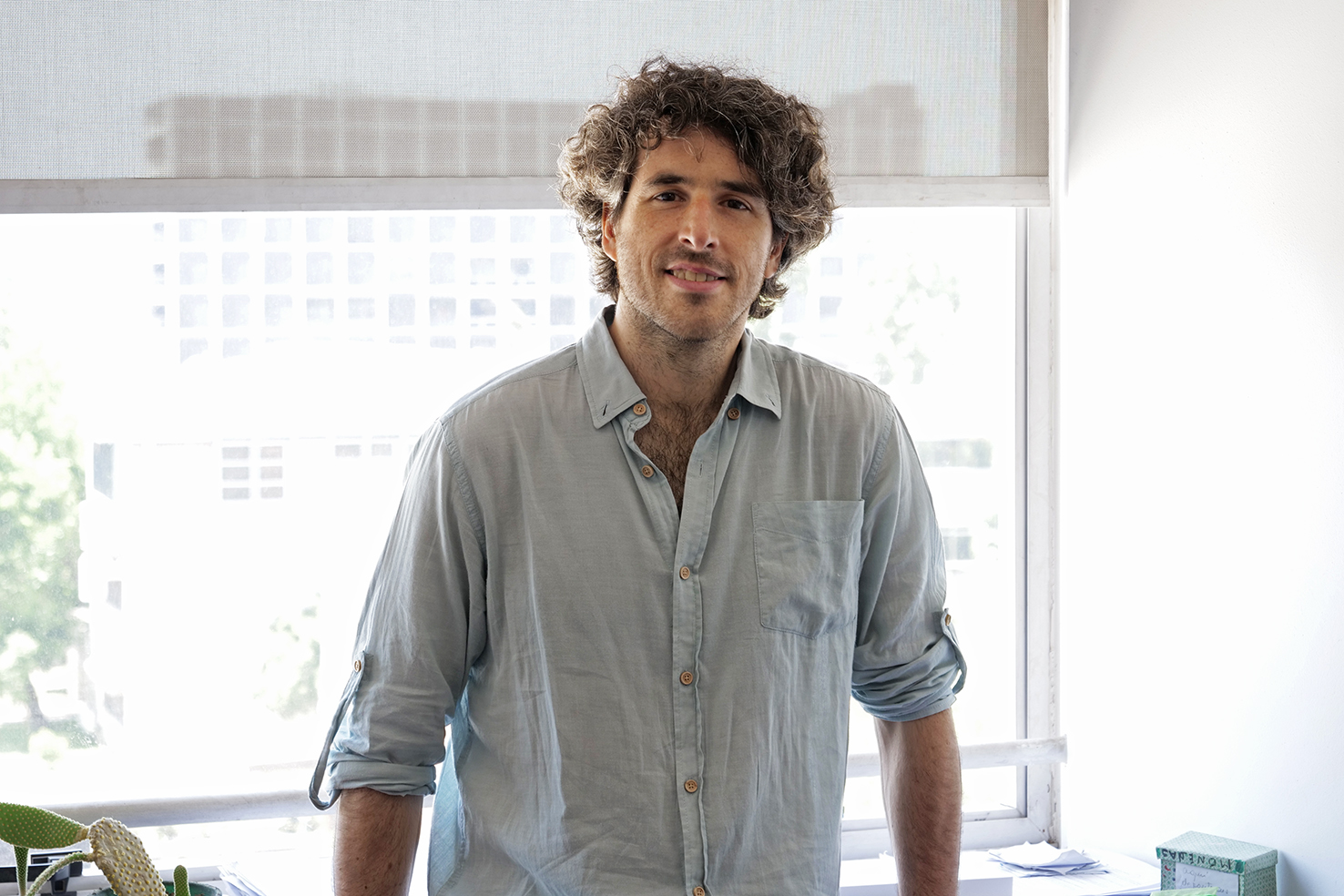 Juan
Juan
The papers addressed fundamental problems such as: how to simultaneously examine the graph’s structure and the data it contains, how to find complex paths of any length, and how to represent the results of those searches in a compact and efficient manner.
Most importantly, however, they did so before there was an industrial need for it. Thus, when the industry needed to create international standards for the languages we now know as SQL/PGQ and GQL, the technical committees found the references in the award-winning articles.
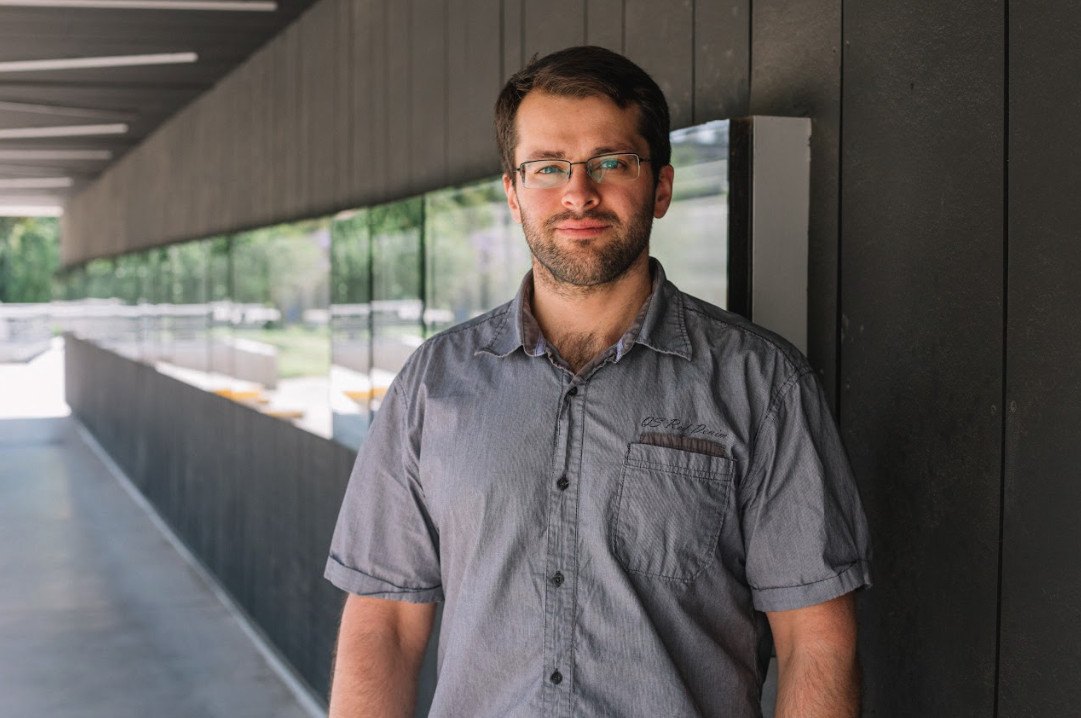
Domagoj Vrgoč
“These contributions were made several years before the standards were created,” explains IMFD Director Juan . “The members of the SQL/PGQ and GQL working groups—which are composed of people from industry and academia —used our research to understand what could be done efficiently on a computer and what could not. Since there were no existing models for what a graph query language might look like, they took our ideas as a reference and starting point.”
The three award-winning works:
1. Querying Graphs with Data (Leonid Libkin, Wim Martens, Domagoj Vrgoč; Journal of the ACM, 2016)
2. Regular Queries on Graph Databases (Juan , Miguel Romero, Moshe Vardi; Theory of Computing Systems, 2017)
3. Querying Regular Graph Patterns (Pablo Barceló, Leonid Libkin, Juan ; Journal of the ACM, 2014)
A milestone for science from Chile
For the IMFD, this recognition means more than just an individual honor: “It’s a source of pride. Never before has a group from Latin America won this award, ” adds Reutter, . “Internationally, the IMFD has already established itself as a center of excellence in data research, particularly in graph databases, but this award can open doors for us in areas that go beyond that specialization. The same goes for Chile: it shows that we can conduct cutting-edge research and that such research can impact the industry. Today, the IMFD is the developer of MillenniumDB, one of the graph databases that form part of the industrial ecosystem, and this was made possible thanks to everything we built through our research.”
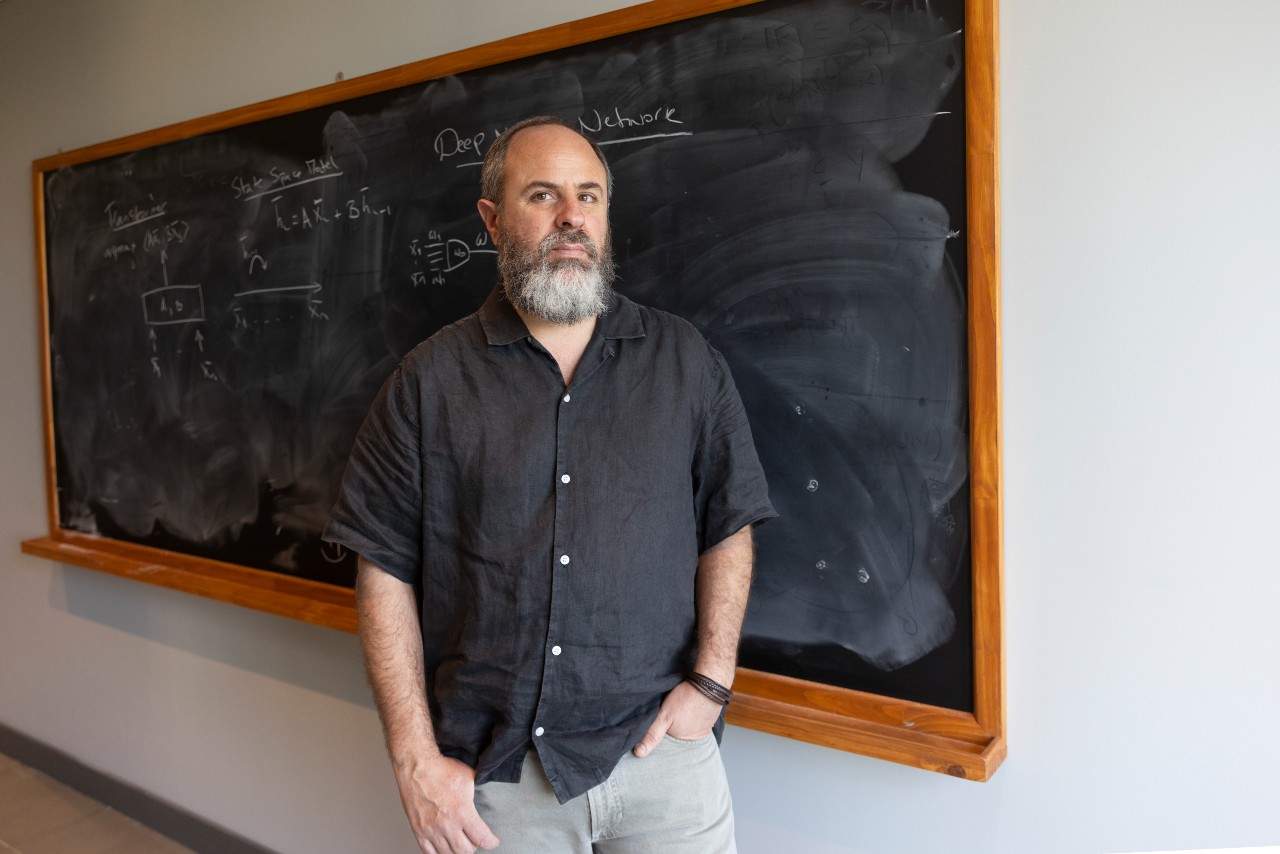
Pablo Barceló
What is the Alonzo Church Award?
The Alonzo Church Prize is a prestigious international award given to an author or a group of authors—as was the case in 2026—whose articles published over the past 25 years have demonstrated intellectual depth, novelty, and impact in the fields of logic and computer science.
Established in 2015, the award was created in honor of Alonzo Church (1903–1995), an American mathematician considered one of the founders of theoretical computing and the professor of Alan Turing (1912–1954), who laid the foundations of modern computer science with his famous Turing machine.
The award consists of a certificate and a prize of USD 1,500 to be shared among the winners, along with an invitation to present their research at one of the international conferences organized by the following entities: the ACM Special Interest Group on Logic and Computation ( SIGLOG), the European Association for Theoretical Computer Science (EATCS), and the European Association for Computer Science Logic (EACSL), in July of this year.
Source: Eatcs.org.