
IMFD Directors recognized for their work as reviewers at SIGMOD and PODS 2026 conferences
The directors of the Millennium Institute for Foundational Research on Data (IMFD), Juan Reutter and Aidan Hogan, were distinguished by members of the evaluation committee of two of the leading international research forums in databases.
Every year, the Association for Computing Machinery (ACM) organizes the SIGMOD and PODS conferences to showcase the best research in data management, organization, querying, and foundations. PODS (Symposium on Principles of Database Systems) addresses the theoretical aspects of the discipline and is recognized as the leading international conference in its specialty, while SIGMOD (Special Interest Group on Management of Data) covers the more practical and experimental spectrum.
This 2026, both conferences took place between May 31 and June 5 in India, and in the lead-up, two directors of the Millennium Institute for Foundational Research on Data (IMFD) were recognized for their work as reviewers of scientific papers. Juan Reutter, academic at the Departamento de Ciencia de la Computación de la UC (IMC) and researcher and Director of IMFD, was recognized as Distinguished Program Committee Member at the PODS conference. Meanwhile, Aidan Hogan, professor at the Departamento de Ciencias de la Computación de la Universidad de Chile (DCC) and researcher and director of IMFD, received the Outstanding Reviewer distinction at SIGMOD.
Reutter: “We are the filter responsible for verifying that the authors’ results are correct”
The Distinguished PC Member award at PODS recognizes those who have done outstanding work as members of the evaluation committee. Recipients stand out for going beyond the standard: they write detailed, high-value reviews for authors, evaluate a significant number of papers, and help resolve the toughest debates about which papers to accept.
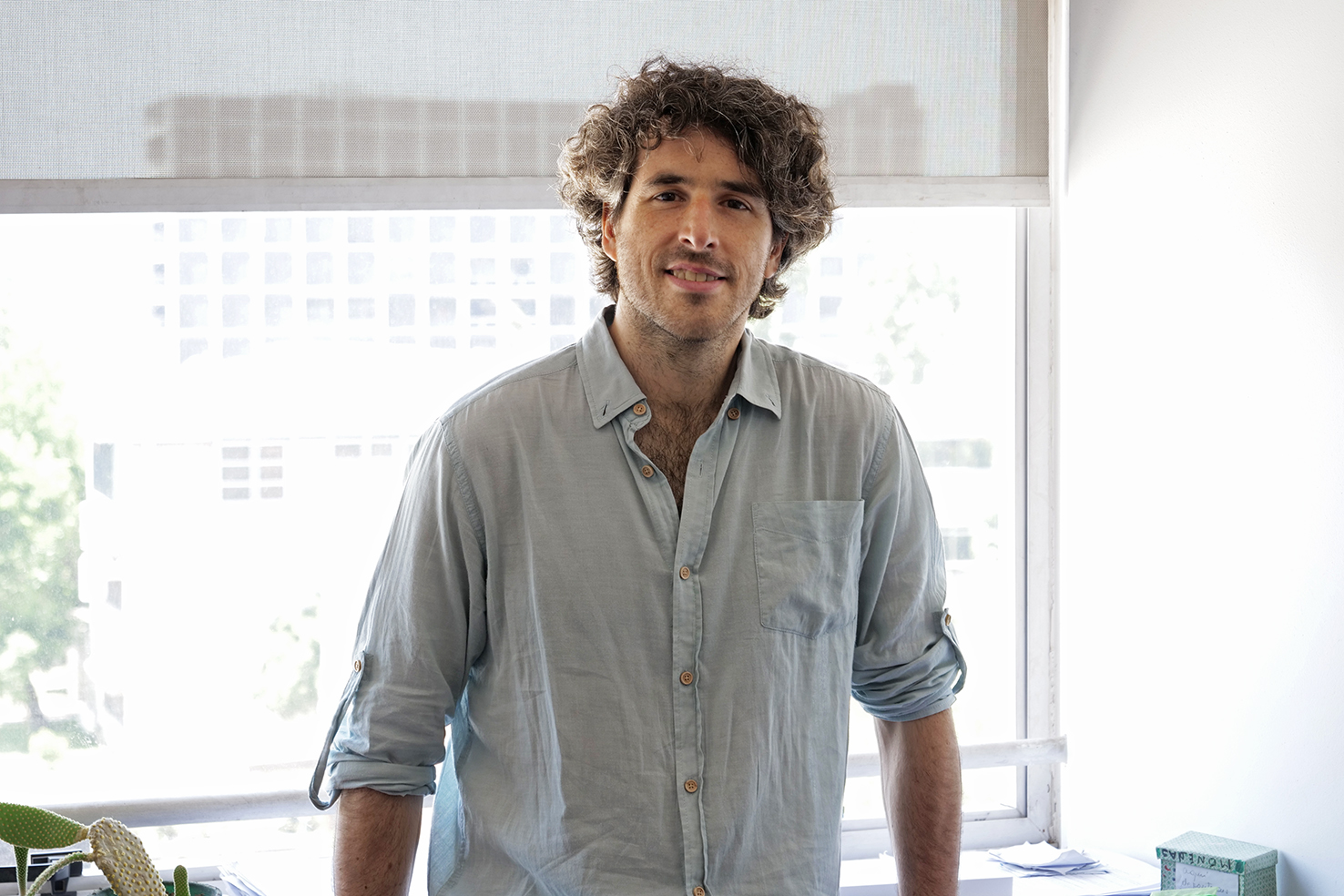
Juan Reutter
“Each of these papers is read in great detail by three committee members. After that, comments are sent back to the authors so they can defend their ideas. With the comments and that defense, we have to reach a consensus among everyone and decide, but beyond whether we accept the paper or not, we are the filter responsible for verifying that the authors’ results are correct. So it is a lot of work,” explains IMFD Director Juan Reutter, who also highlights how key it is for the institute to belong to these kinds of committees: “it forces us to stay on top of the research being done in the rest of the world. Being so far from where conferences are usually held, we have to have a presence in this.”
Hogan: Outstanding Reviewer at SIGMOD
The Outstanding Reviewer distinction recognizes the quality of the work of those who evaluate papers submitted to SIGMOD (detailed, well-argued, constructive reviews delivered on time) and is awarded by the conference’s Program Committee Chairs (PC Chairs). This year, Aidan Hogan was selected among the top 4 out of 339 members of the International Program Committee.
The review process is highly demanding: in the 2025 edition, only 250 of the 1,008 submitted papers were accepted. During that year, Hogan reviewed 16 papers across different rounds.
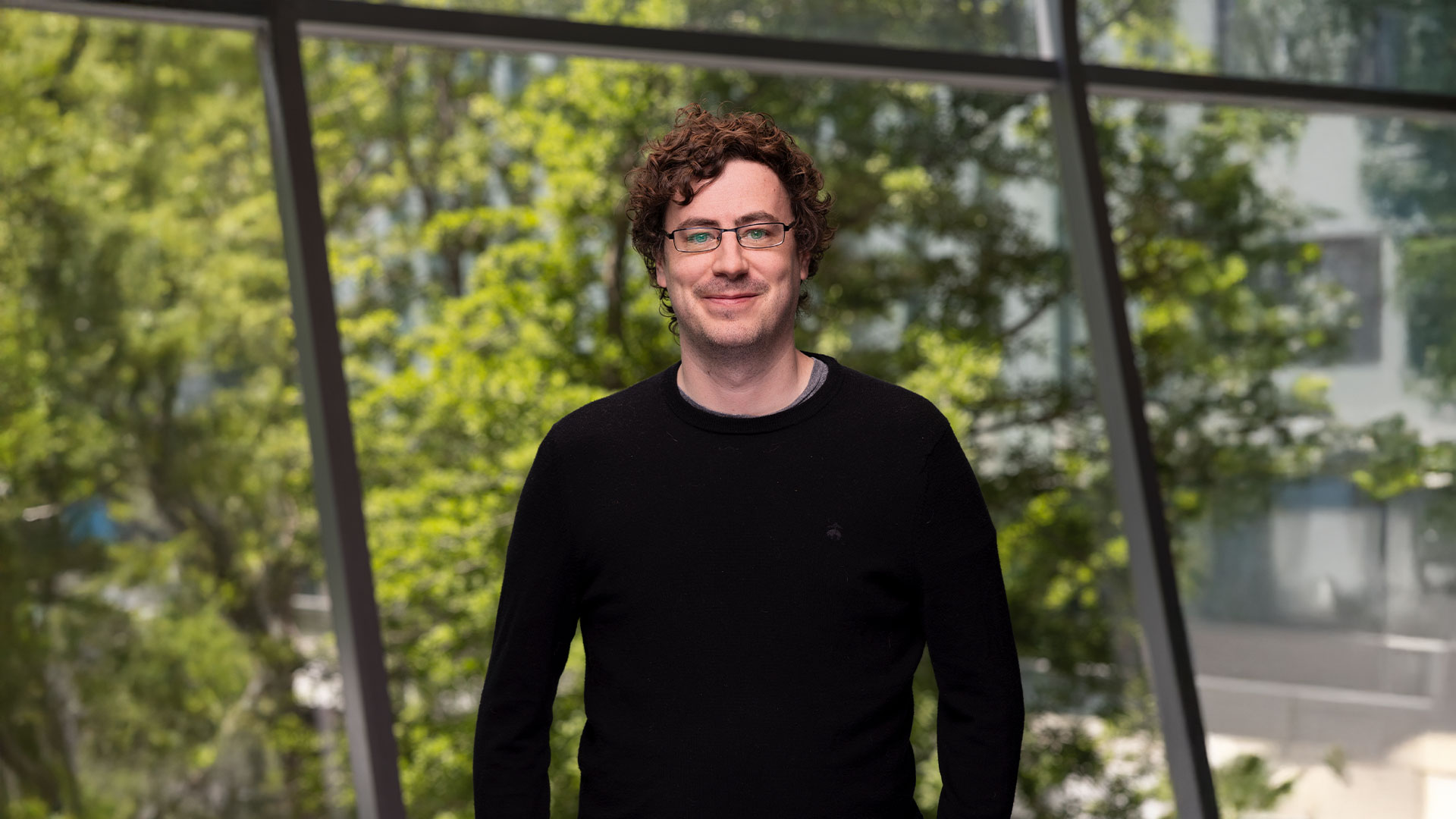
Aidan Hogan
The academic emphasizes that this recognition makes visible work that is usually anonymous. “Without the work of reviewers, there would be no conferences like SIGMOD”, he says, adding that receiving this distinction from Universidad de Chile positions the DCC alongside some of the most prestigious institutions and companies in the world in the field of data management and computing.
Beyond the recognition, Hogan notes that the scientific publishing system today faces new challenges due to the growing use of generative artificial intelligence, a tension that was present at the 2026 edition of SIGMOD. “Some unethical practices are becoming increasingly common, such as uploading papers to public AI services to generate automatic reviews, without reading the work carefully and without the authors’ authorization,” he explains. For the academic, the discussion is no longer just technical: “The scientific community has to address existential questions about how to evaluate scientific contributions and how to maximize their impact in a society increasingly dominated by generative AI.”
For IMFD, these recognitions reflect the level of its researchers and their active participation in the most demanding spaces of international science. Contributing to the evaluation of the knowledge that defines the state of the art in a discipline is, in itself, a way of doing science, and these awards recognize that this contribution also deserves to be highlighted.
Sources: Pods Awars 2026, Sigmod Awards 2026 and Comunicaciones DCC