
Study in Chile shows that false content on Twitter is more understandable than true content
May 2023.- Chilean researchers from the Millennium Institute for Foundational Research on Data (IMFD) conducted a new interdisciplinary study on disinformation on Twitter, Facebook, and Instagram that circulated in Chile in the context of the social outbreak and the pandemic.
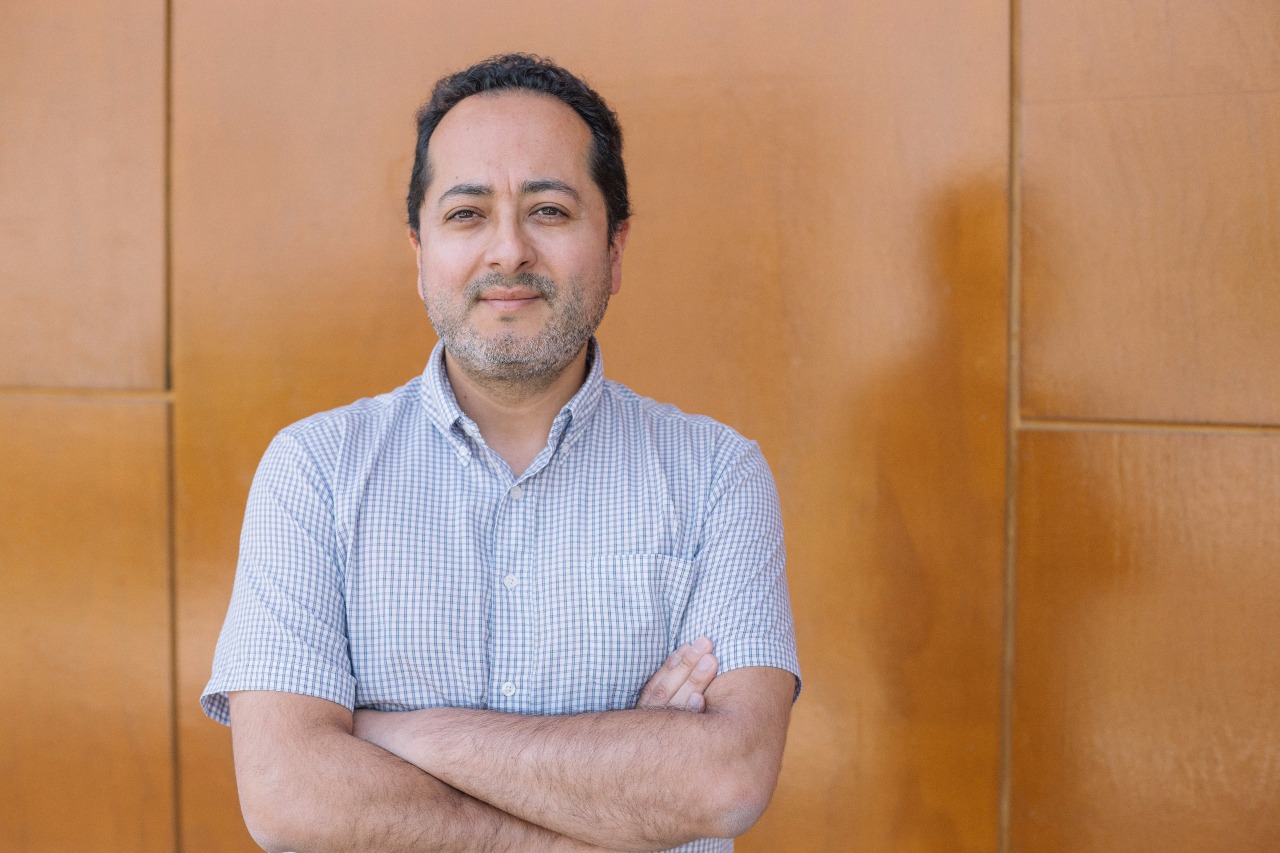
“The results of the study indicate that the disinformation phenomenon in Chile presents characteristics of maximum severity, and that there is no single way to address it,” highlights Marcelo Mendoza, faculty member of the Departamento de Ciencia de la Computación de la Pontificia Universidad Católica de Chile and leader of the study, which was funded by the ANID Fund for Pluralism and was recently published by the journal Applied Sciences.
The research focused on revealing whether there are differences in the way content spreads on social media according to its level of veracity. To do this, they conducted quantitative and qualitative analyses, with data obtained from Facebook, Instagram, and Twitter, collected and verified by fact-checkers between October 2019 and October 2021, and focus groups with social media users during the same period.
Unlike previous studies that compare verified vs. false content on a single platform (usually Twitter), this study compared the speed, reach, and language characteristics of three types of content –truthful, imprecise, and false– across three platforms simultaneously.
The study found that both imprecise and false information spread more quickly and reach more users than true information on Twitter and Facebook. Instagram, on the other hand, appears to be less affected by this phenomenon.
However, the most notable result came when comparing the reading comprehension associated with content that circulated on Chilean social media. When comparing readability parameters, researchers found that false information is more likely to be shared by users with lower reading comprehension skills.
“A relevant aspect we discovered is that the access barriers based on reading comprehension are higher for true content than for false and imprecise content,” highlights Fabian Padilla, one of the study’s authors and director of FastCheck.cl. “This means that ‘fake news’ is simpler, more direct, and manages to be understood —and therefore, easier to believe— by people with lower reading comprehension skills.”
Adding to this, true content tends to be shorter and have fewer words, but generates less interest among audiences, resulting in shorter conversation threads, with less depth, speed, and engagement than those generated by false or imprecise content.
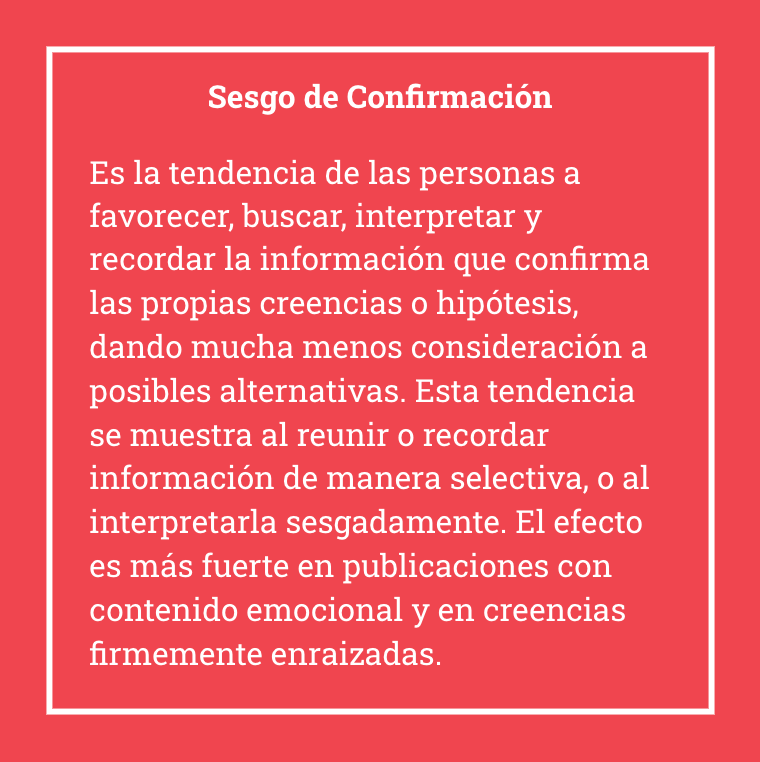
“The problems we face in trying to stop this phenomenon are several. In general, people tend to read only what interests them, which adds to confirmation bias,” explains Sebastián Valenzuela, faculty member of the Facultad de Comunicaciones de la Pontificia Universidad Católica de Chile and another of the authors. Considering the dynamics of this type of information, there is an increasing likelihood that people are being affected by this phenomenon on a daily basis.
The work was led by Marcelo Mendoza, faculty member of the Departamento de Ciencia de la Computación de la Pontificia Universidad Católica de Chile, and included Sebastián Valenzuela, faculty member of the Facultad de Comunicaciones de la Pontificia Universidad Católica de Chile, Fabián Padilla, from the F. de Comunicaciones de la P. Universidad Católica de Chile and director of Fast Check CL; Enrique Núñez, from Michigan State University, USA; Valeria Aldana, from Universidad San Sebastián; and Andrea Riquelme from Universidad de Talca. Also assisting were Sebastián Campos, Renato Bassi, and Eliana Providel, all students at USM, and Claudia López, faculty member at the same university.
The results of this study are available free of charge and can be viewed at: www.desinformación.cl. The same website will also offer various tools aimed at addressing this phenomenon, such as online courses for journalists and workshops to promote fact-checking, and the study published in Applied Sciences can also be accessed free of charge.