
We celebrated Science Day with more than 600 visitors at the University of Chile's Discovering Knowledge Fair.
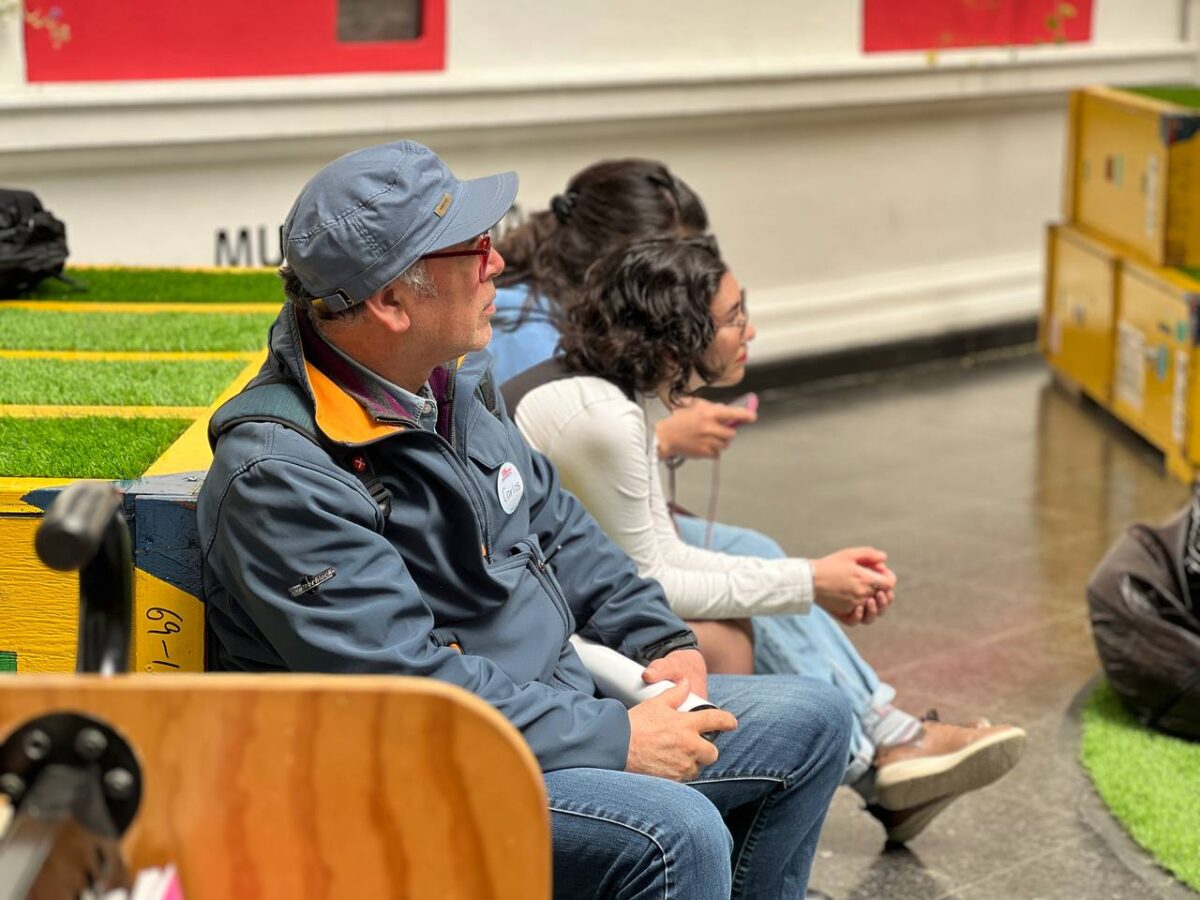
More than 600 People at the MAC, Quinta Normal headquarters, to participate in this second edition of the event. As part of National Science, Technology, Knowledge, and Innovation Day, the event invited children, young People , and People to explore how research is part of everyday life.
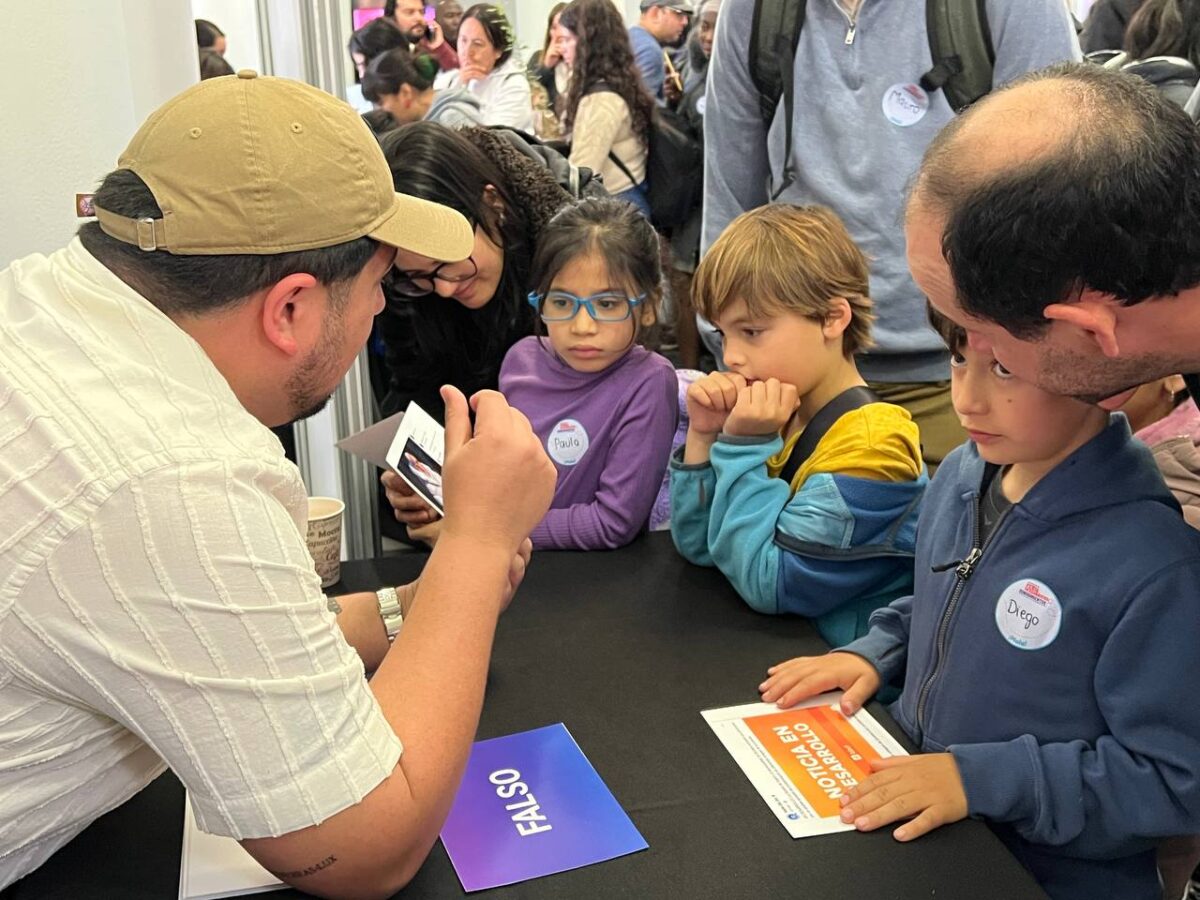
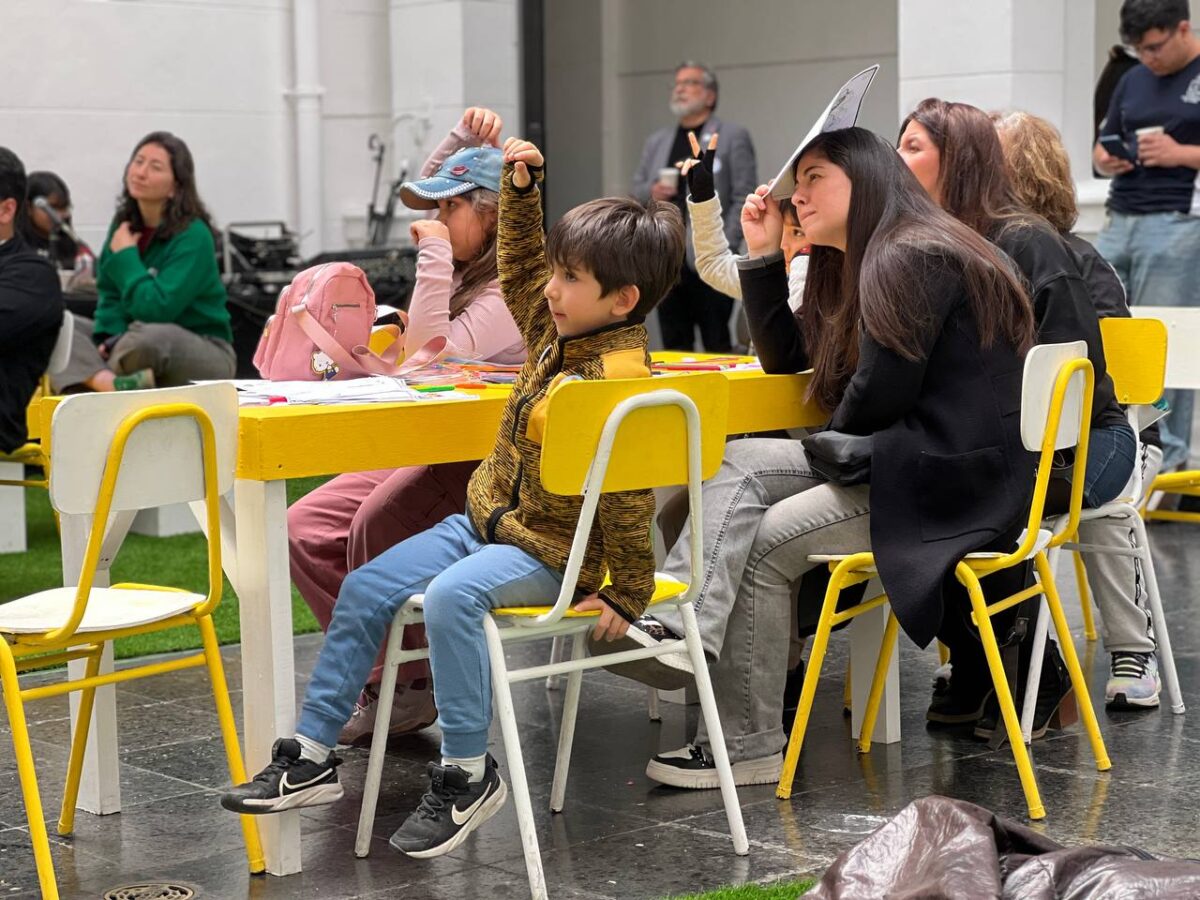
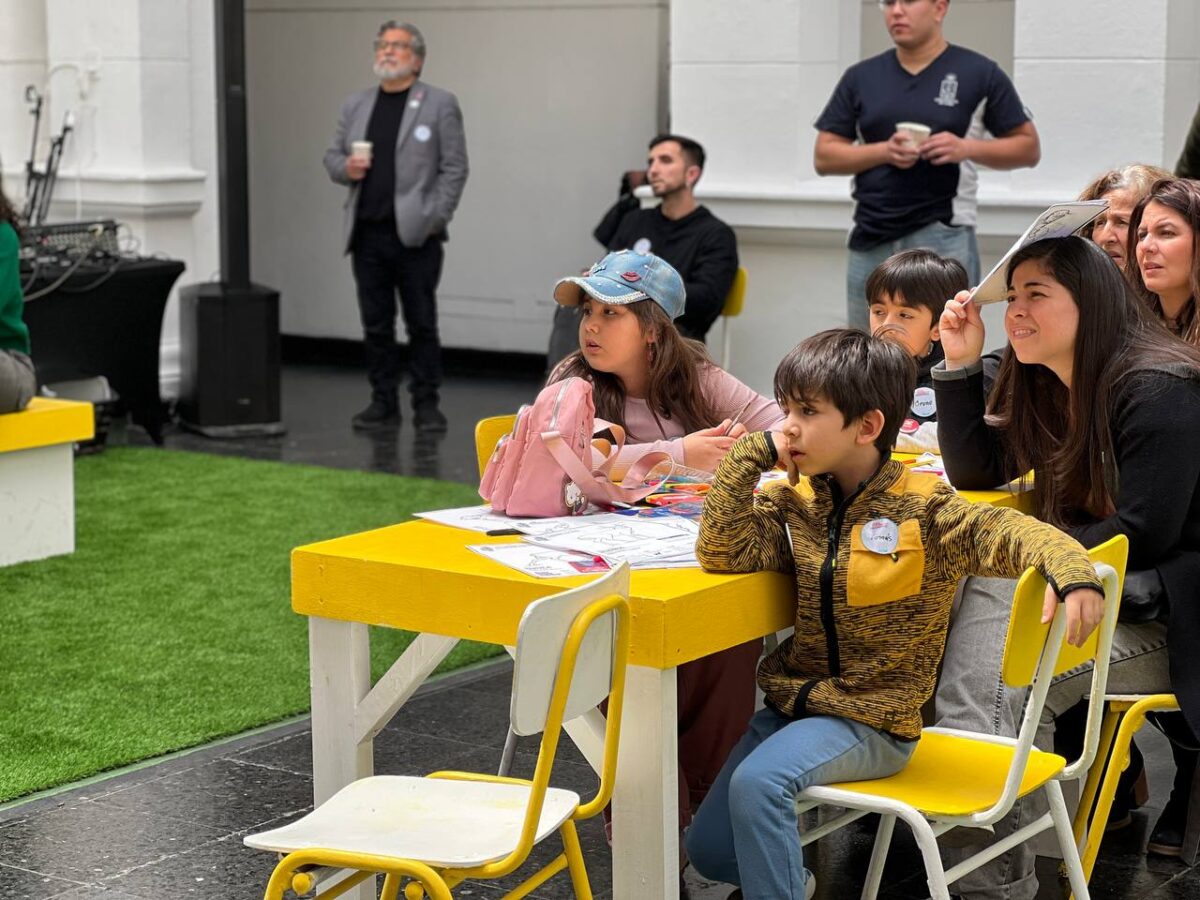
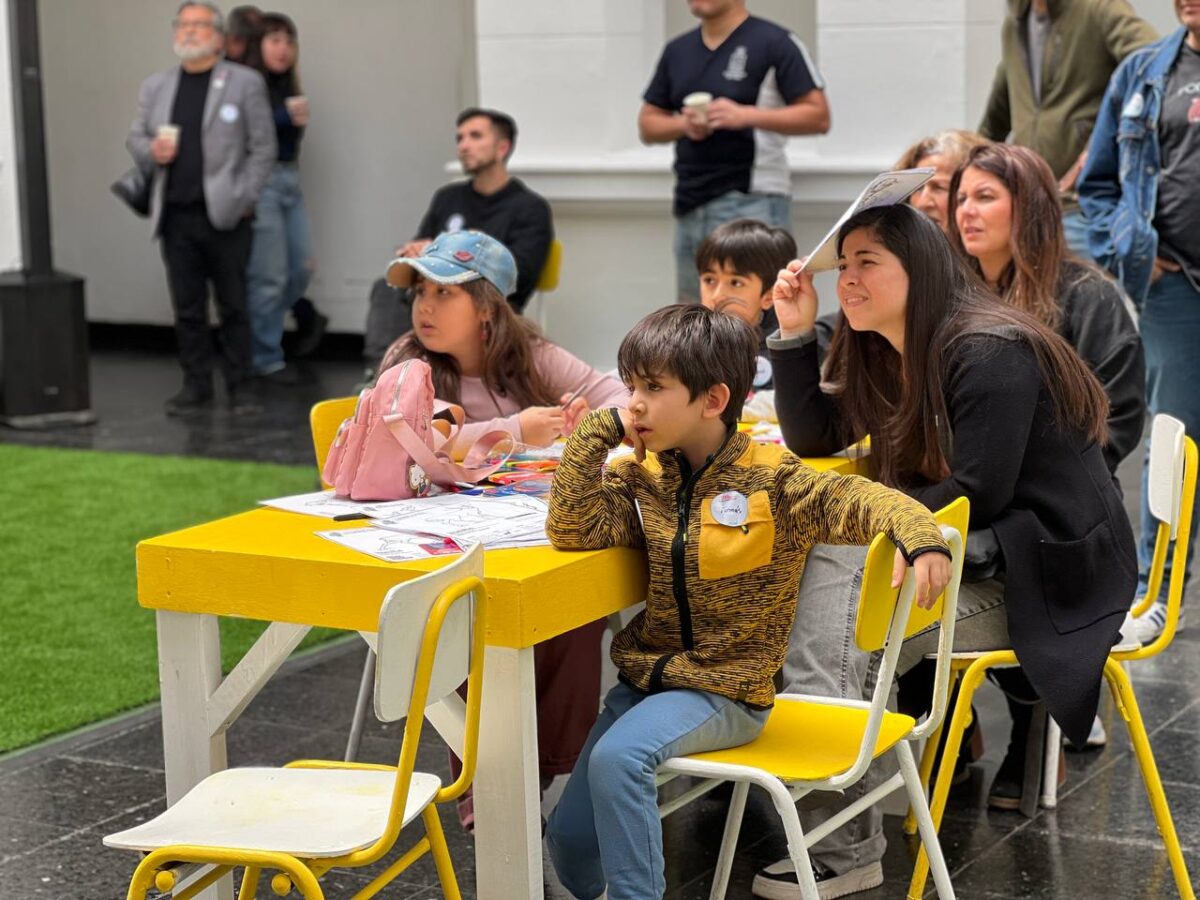
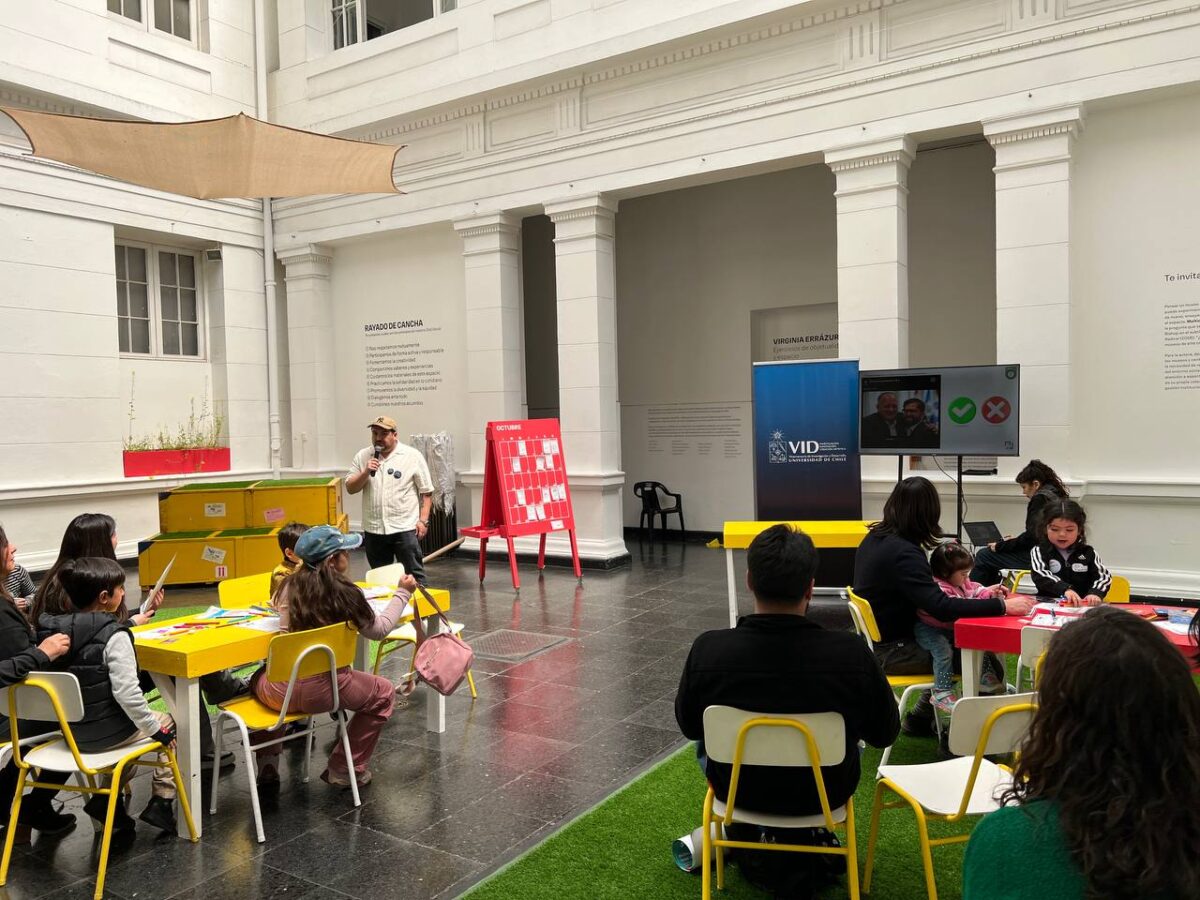
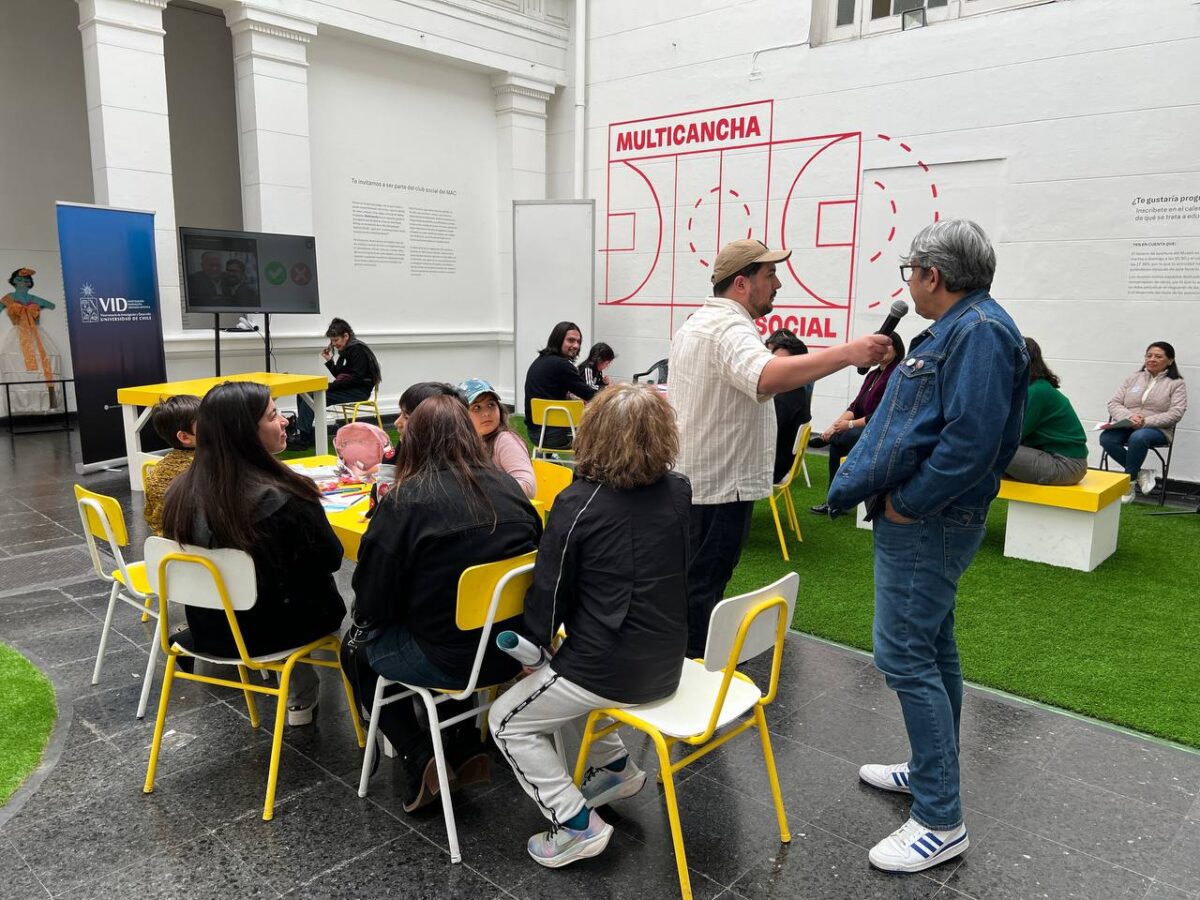
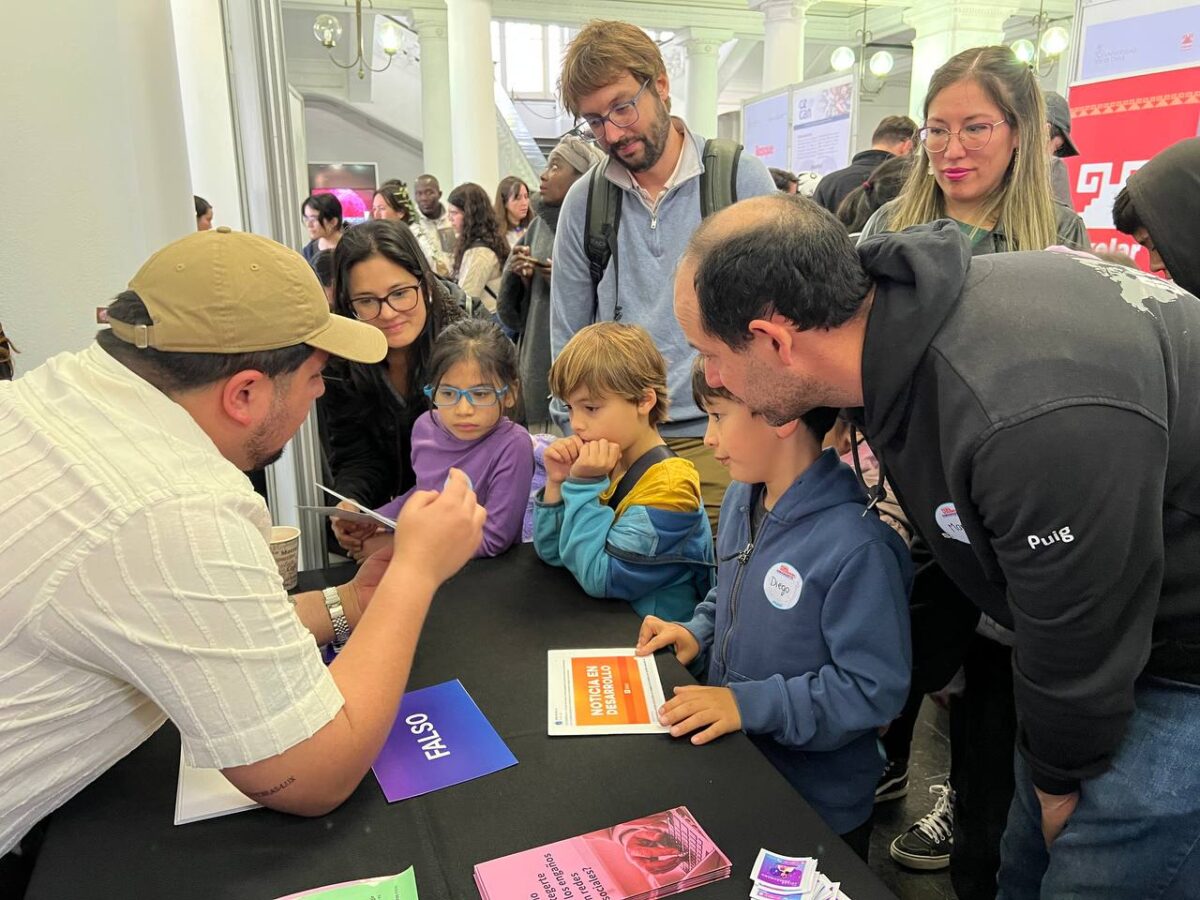
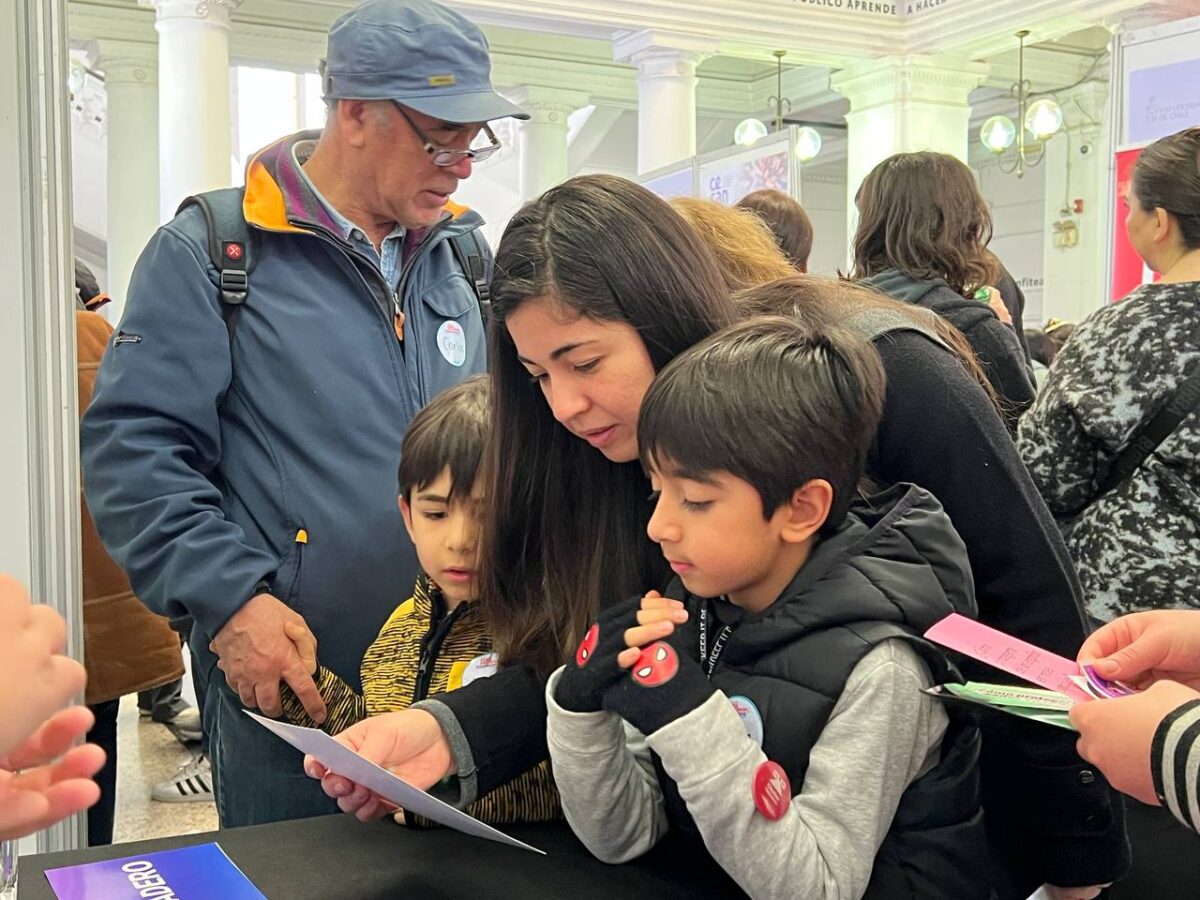
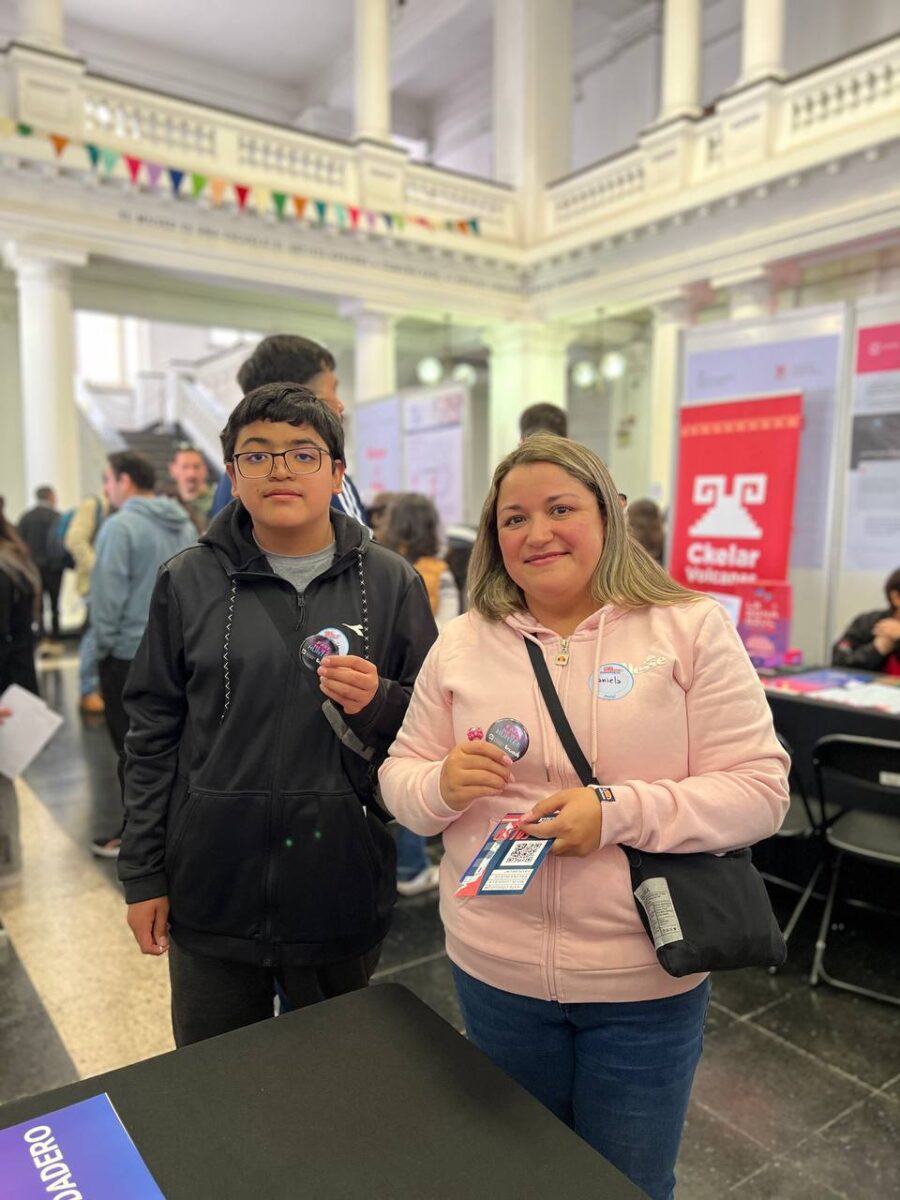
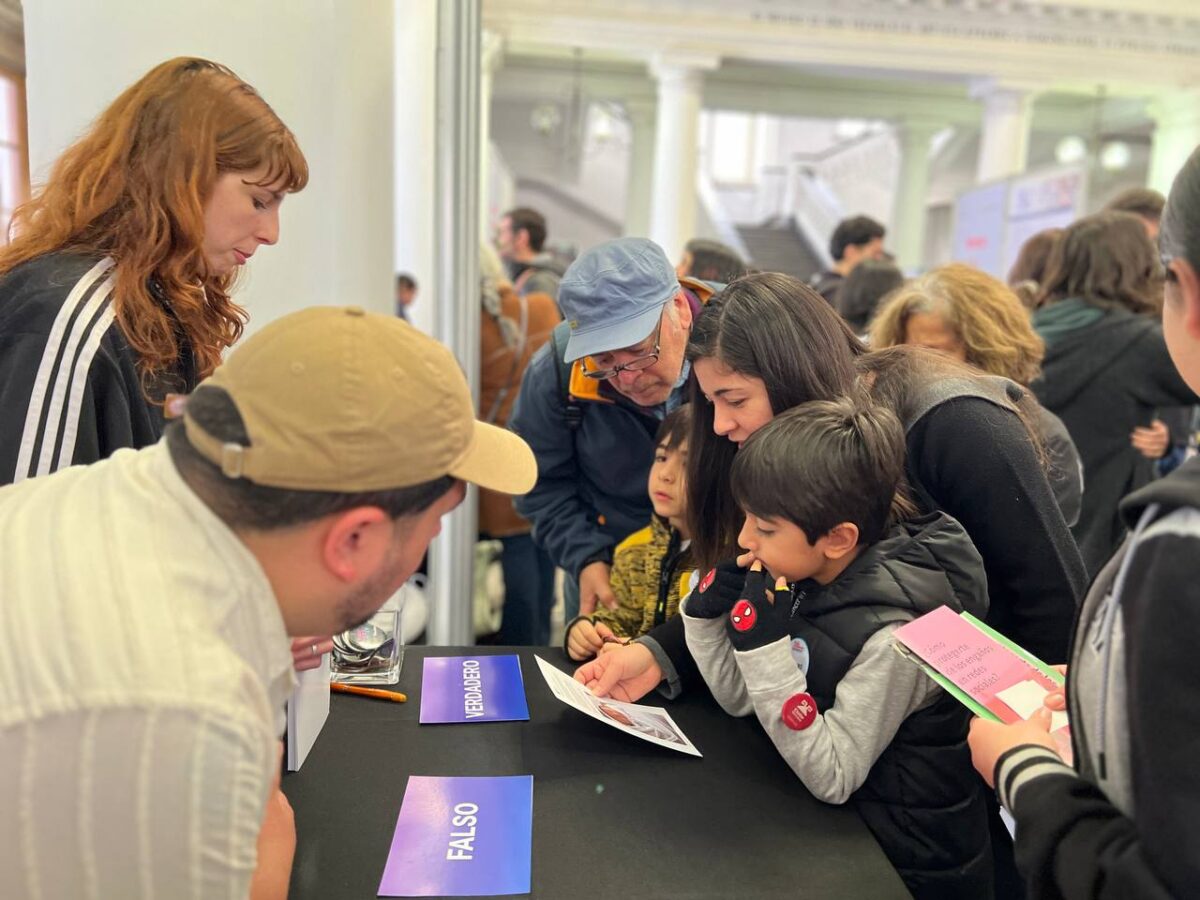
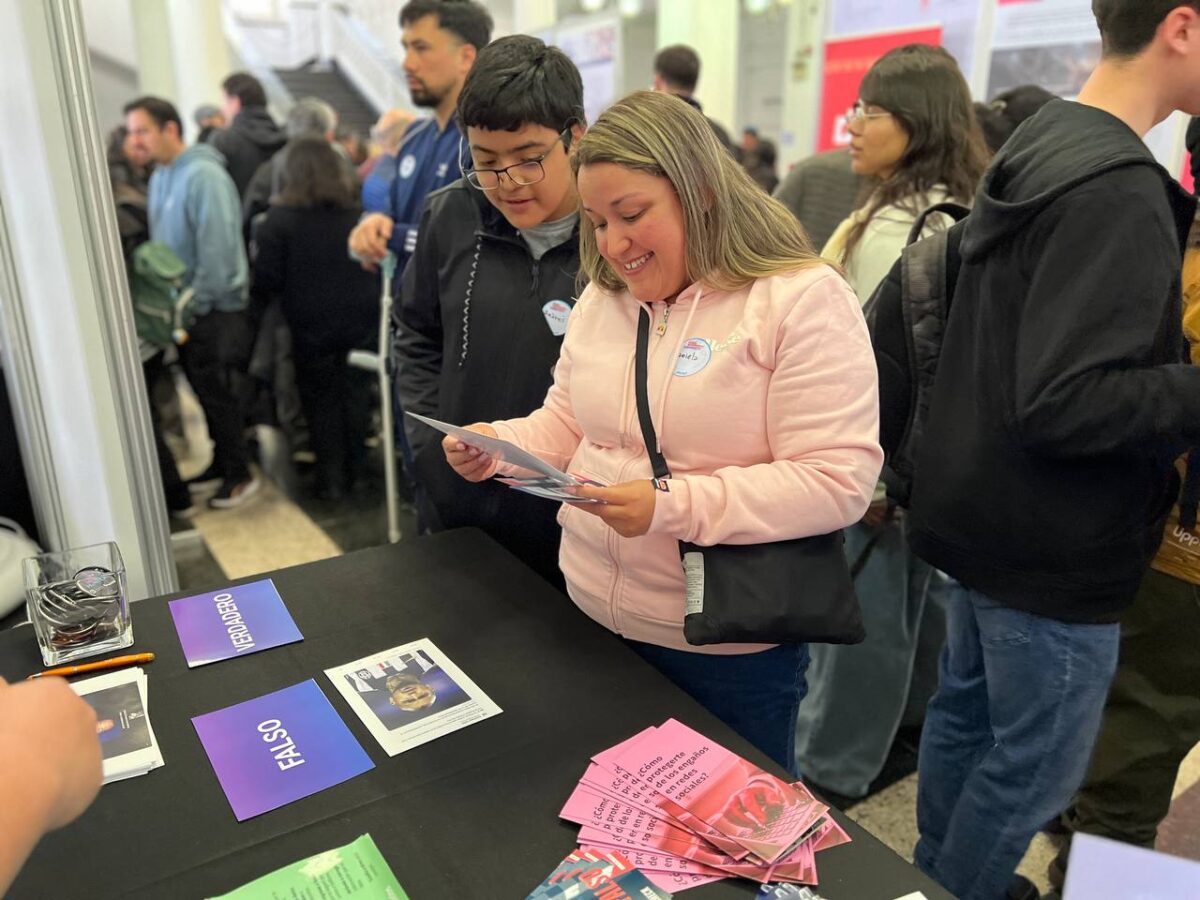
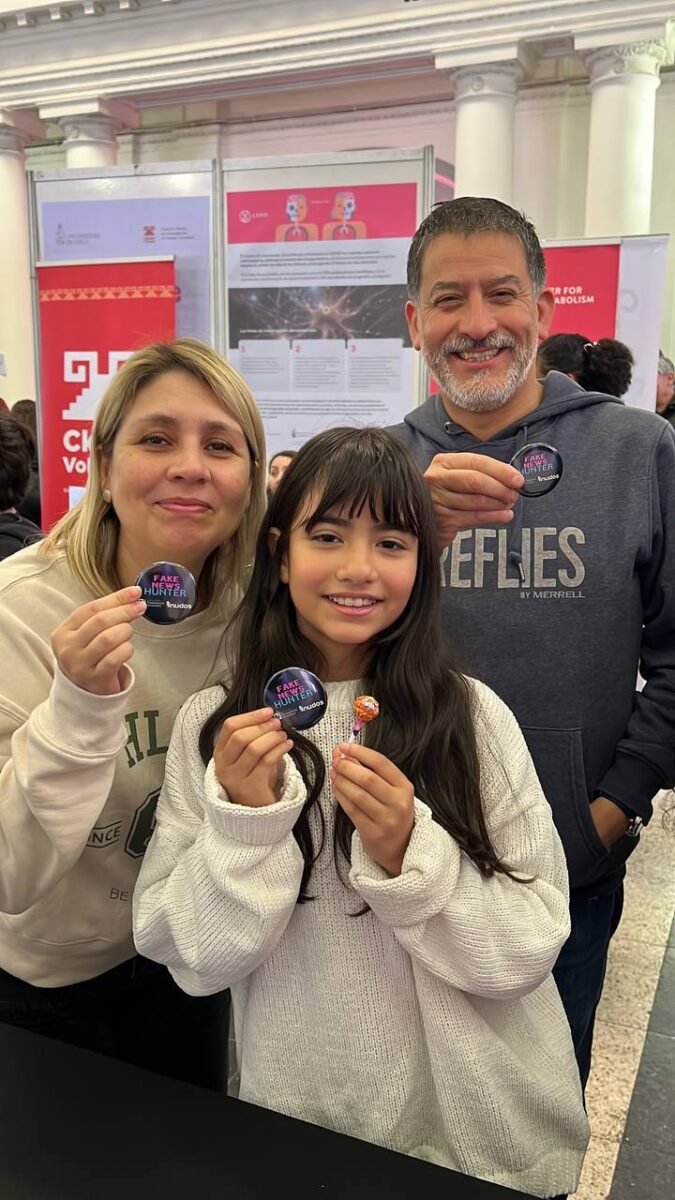
The Millennium Institute Foundational Research on Data participated alongside the Millennium Nucleus on Digital Inequalities and Opportunities (NUDOS) in a booth on Disinformation, where a game was presented to recognize fake and real news, and materials were handed out to train People this topic. In addition, Fabian Padilla, a doctoral student at the Faculty of Communications of the Pontifical Catholic University and IMFD, and also director of Fast Check, gave a talk on disinformation, in which he presented recommendations and explained to the audience what disinformation is.
According to Pilar Barba, Vice-Rector for Outreach and Communications at the University of Chile, "we see this event as an invaluable opportunity to bring science, innovation, and creativity closer to the community, share the fruits of our research, and inspire new generations."
The Director of Research at the University of Chile, Professor Rómulo Fuentes, welcomed the large turnout and invited attendees to "reflect on how the generation of knowledge impacts their lives. The call is for us not to see science as something distant, something that belongs in universities, but rather as something that is present in all aspects of our lives and with which we interact all the time."
Discovering the everyday world
Children and young people showed great enthusiasm for participating. Vicente, from Quinta Normal, who also attended the first edition of the fair, said: "I think it's great that these activities are held, and it's wonderful that they are free and accessible to everyone." Meanwhile, Mariela, from Colina, said she found the fair very entertaining. "I hope it continues to be held every year to help children make decisions for the future," she said, adding that "all the stands had very interesting topics, and the specialists explained them to the community in the simplest way possible."
Noelia and Amanda, from Providencia, referred to the diversity of topics at the Fair: "We found it really entertaining, because it had lots of things that you don't usually think about much, and you can learn about them and become more aware," they said. Similarly, Benjamin and Bianca, from Maipú, commented that "it has been a very varied and enriching experience."
In its 2025 edition, more than 20 academic units, centers of excellence, biological collections, and laboratories were part of the Discovering Knowledge Fair, including the faculties of Architecture and Urbanism, Forestry and Nature Conservation, and Arts, as well as the biological collections of the Microbiology Chemistry Laboratory and the Clinical Hospital of the University of Chile.
Also in attendance were the Chilean Fungus Collection (ChFC), the National Seismological Center (CSN), the Millennium Institute Biodiversity of Antarctic and Subantarctic Ecosystems (BASE), the Center for Mathematical Modeling (CMM), the Millennium Institute Depression Research (MIDAP), the Center for Geroscience, Mental Health, and Metabolism (GERO), the Center for Cancer Prevention and Control (CECAN), the Center for Interventional Medicine for Precision and Advanced Cellular Therapy (IMPACT), the Advanced Center for Chronic Diseases (ACCDiS), the Millennium Institute Volcanic Risk Research (Ckelar Volcanes), the Millennium Institute Immunology and Immunotherapy (IMII), and the Youth Action Research Group of the Faculty of Social Sciences.
The winner of the 2022 National Prize for Natural Sciences, academic and director of the ACCDiS Center, Professor Sergio Lavandero, gave a talk entitled "Live better, prevention is the key." After his presentation, he expressed his satisfaction: "I believe we have fulfilled our mission of bringing science closer to society, and that is important," adding that "the most important message is to discover in order to learn."
Source: University of Chile News