
Felipe Bravo Márquez is promoted to Associate Professor at Universidad de Chile
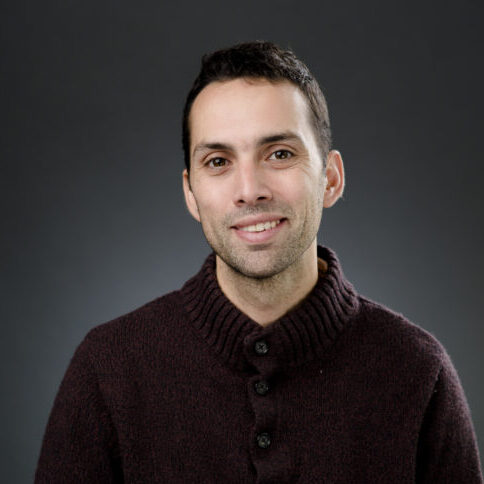
August, 2024.- IMFD and Cenia researcher Felipe Bravo is promoted to Associate Professor at Universidad de Chile. The academic from the Departamento de Ciencias de la Computación de la Universidad de Chile holds a PhD in Computer Science from the University of Waikato, New Zealand, and a Master’s degree in Sciences with a specialization in Computer Science, as well as degrees in Industrial Civil Engineering and Computer Civil Engineering from Universidad de Chile. His research interests and expertise focus on knowledge and information acquisition from natural language, spanning the areas of natural language processing (NLP), machine learning (ML), artificial intelligence (AI), and information retrieval (IR).
According to the university regulations, those promoted to this rank are those who “have demonstrated compliance with the requirements set out for remaining in the immediately preceding rank and have demonstrated autonomy and mastery of their discipline.” The regulations further establish that the Associate Professor must “demonstrate the ability to guide undergraduate, graduate, and specialization teaching programs in innovative ways; direct and carry out original research or creative programs and works, in addition to outreach activities; contribute to the training of specialists in their field, and carry out institutional administration duties. The creativity and leadership with which these tasks are carried out must be reflected in relevant institutional contributions and recognition as an authority in their field at the national level.”
After receiving the news, the academic stated: “It is a very significant recognition, I am very happy and grateful. It means that the university values and recognizes what I am doing in research, teaching, technology transfer, and outreach.”
When asked about the new challenges posed by this new rank, Felipe Bravo Marquéz stated: “I am very eager to help ensure that the DCC, the Faculty, and the University play a relevant role in artificial intelligence and data science. Having this position recognition gives me more room to support initiatives. There are several projects in which I have a very active role, and, for example, I would like to further integrate CENIA within the University or provide greater support to the Faculty’s Data and Artificial Intelligence Initiative (IDIA). So, broadly speaking, I aspire to be a link between the Department and the various initiatives in this area.”
Source: DCC U. Chile