
Our MemorIA is awarded funding from ANID’s 2025 Exploration Projects
Putting data science and artificial intelligence tools at the service of the country and historical memory: this is the goal of Nuestra MemorIA, the initiative born under the wing of the IMFD, led by Jocelyn Dunstan Escudero, IMC and DCC UC academic and IMFD and AC3E researcher, who was selected by ANID to receive funding from the 2025 Exploration Projects, which recognize projects that contribute to the development and consolidation of disruptive, novel scientific-technological research with high transformative potential, by financing excellent research projects.
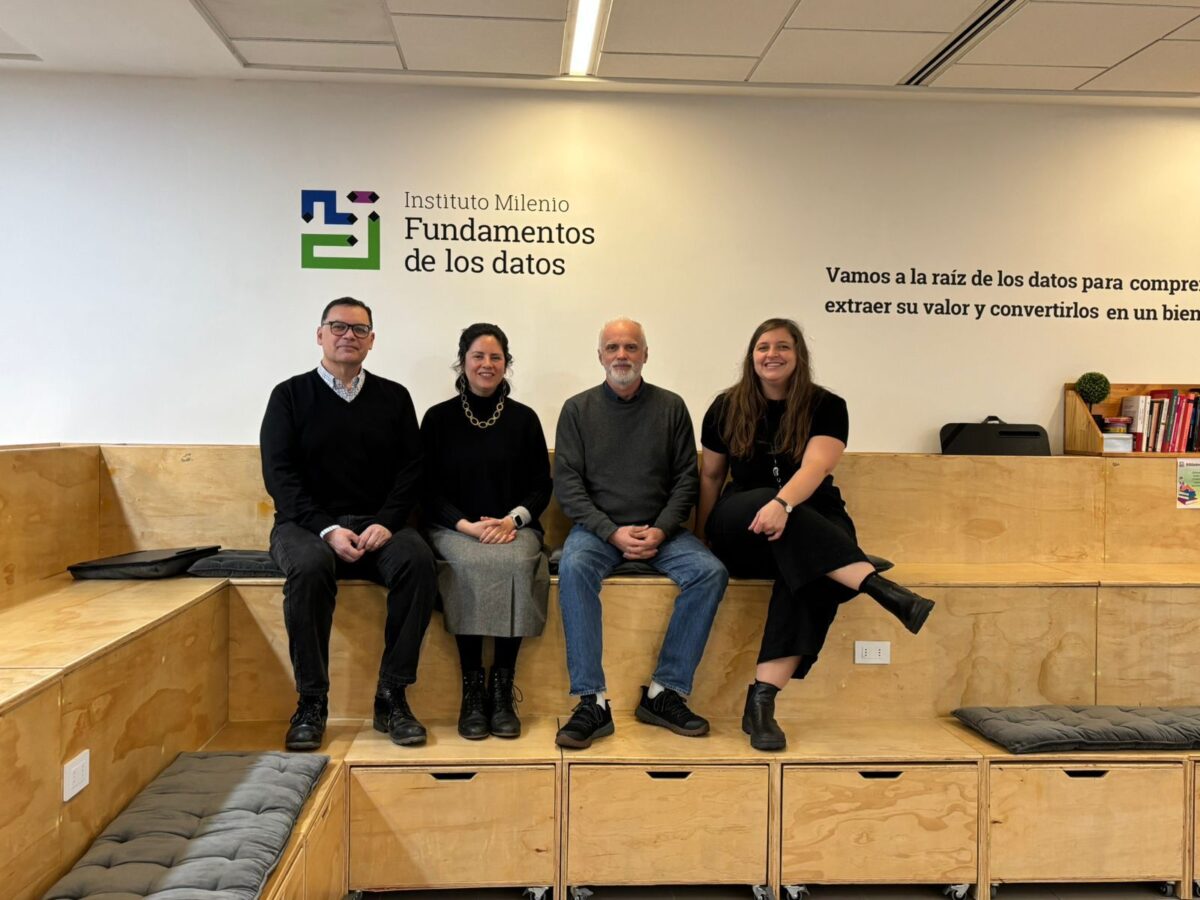
The initiative is titled “Building a Transdisciplinary Framework for Analyzing Chilean Dictatorship Documents with New Technologies” and will be carried out together with fellow IMFD researchers Hugo Rojas Corral, professor at Universidad Alberto Hurtado and researcher at Viodemos, Domingo Mery, DCC UC academic, and UC historian Antonia Fonck.
The goal is to develop an innovative platform that integrates artificial intelligence technologies with the analysis of historical and human rights archives originating during the Chilean dictatorship.

According to the academics, the collaborative construction of a processing pipeline for the analysis of documentary sources, in partnership with organizations that preserve human rights archives, will enable a “deeper and much more accessible understanding of historical and archival data on human rights violations, thereby significantly improving the post-dictatorship transitional justice process currently underway in Chile,” said Hugo Rojas.
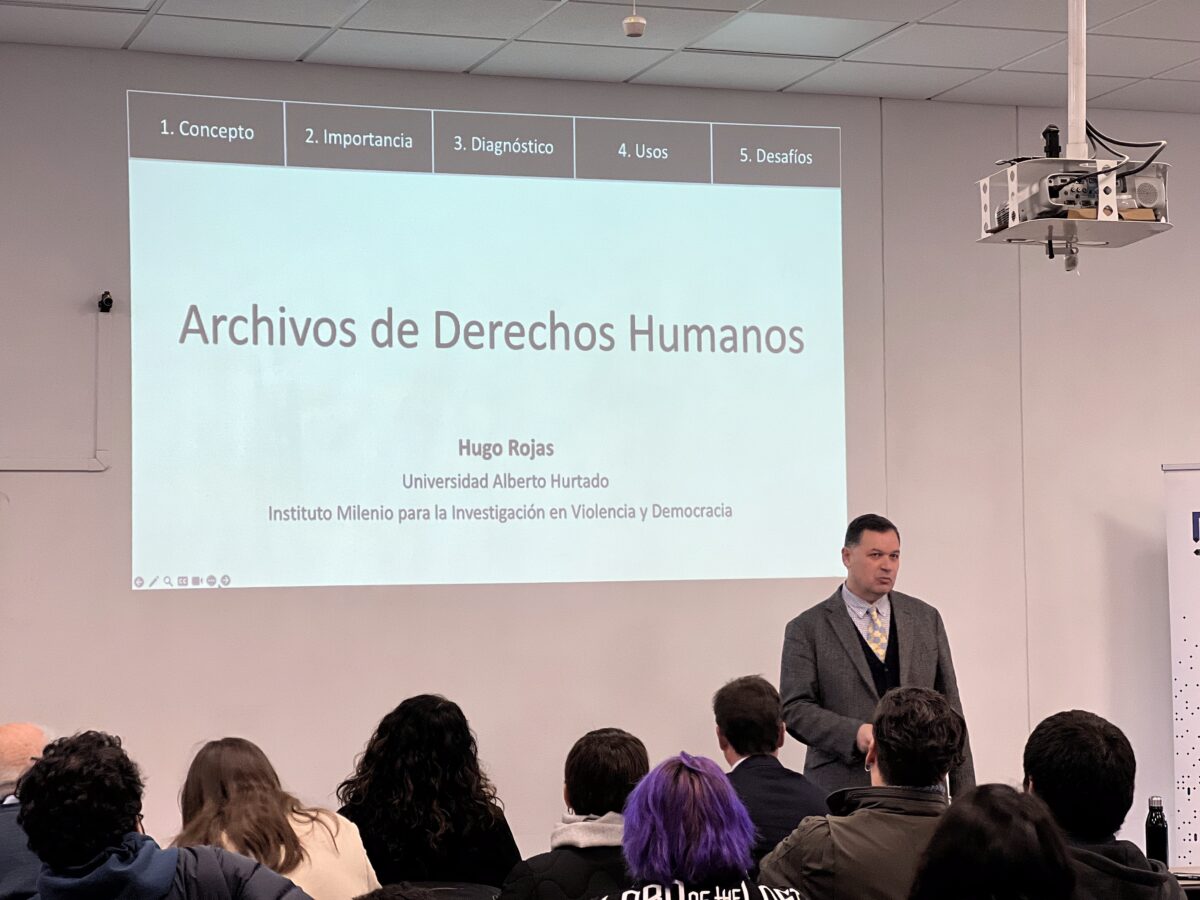
As the leaders of the initiative point out, the analysis of historical documents has traditionally relied on manual methods carried out by historians and archivists: “Our project is pioneering in integrating computational techniques such as optical character recognition (OCR), named entity recognition (NER), knowledge graphs, and chatbot interfaces, which have rarely been applied intensively to historical archives of this nature,” explains Dunstan. This technological integration, they add, offers a new paradigm for “processing and interpreting large amounts of historical data with greater speed and precision than ever before. The project’s disruptive impact shifts the traditional research process from manual to automated and collaborative, offering a wide range of previously inaccessible methods for extracting, structuring, and analyzing historical information.”
According to the research team, the archives of the Chilean dictatorship had never before been analyzed through a transdisciplinary framework that integrates technological tools and human expertise: “This project creates a new model for exploring historical human rights violations by combining computational efficiency with contextual analysis. The project involves historians, archivists, computer scientists, sociologists, and human rights organizations, ensuring that multiple perspectives contribute to the final results.”
For this reason, the initiative aims to “transform the way historical archives are approached, demonstrating that a multidisciplinary, technology-driven framework can reveal hidden information and contribute to efforts toward truth, memory, reparation, justice, and non-repetition.”
Source: IMC UC