Productive first IMFD and INDH workshop on the processing of data from Colonia Dignidad
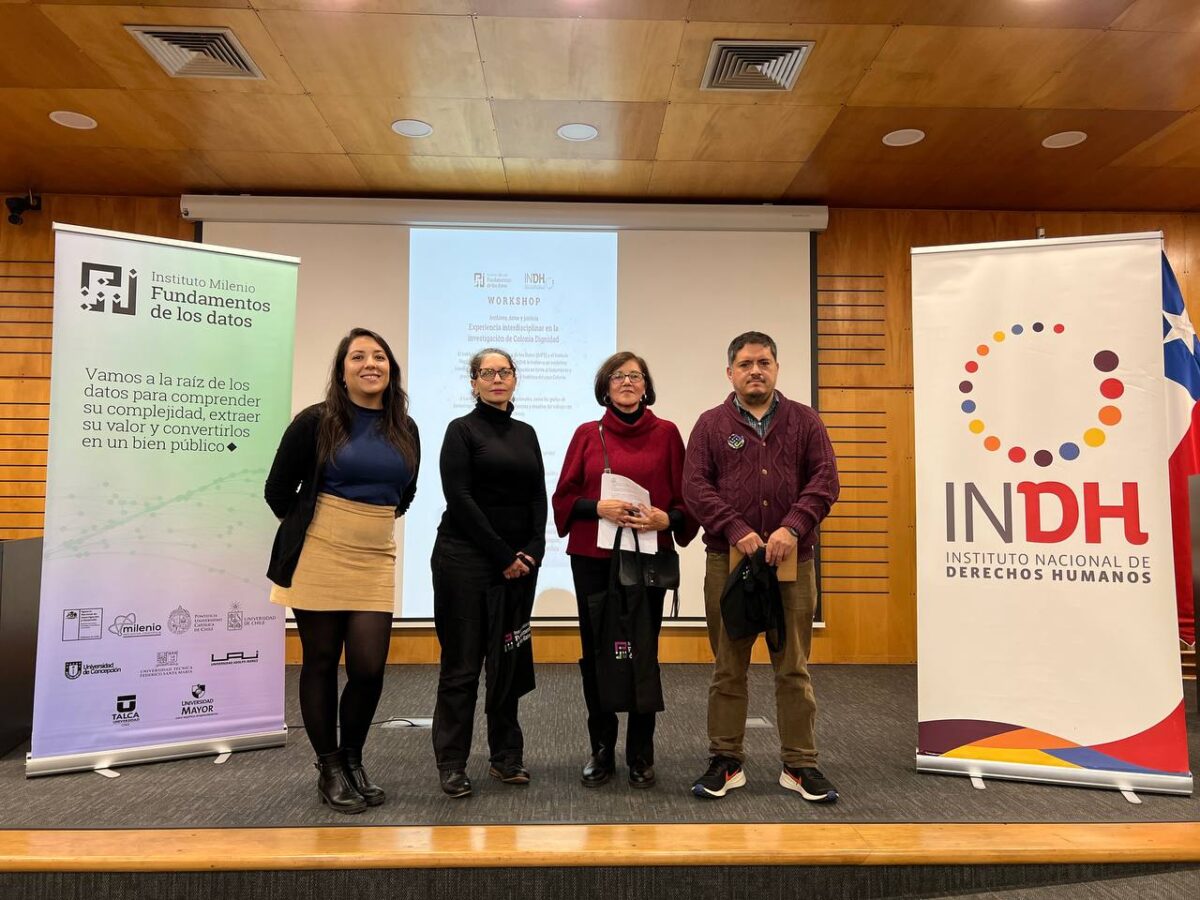
With more than 50 attendees, the workshop Archives, Data, and Justice: Interdisciplinary Experience in the Investigation of Colonia Dignidad was held. Organized by the Millennium Institute Foundational Research on Data IMFD) in collaboration with the National Institute of Human Rights (INDH), the meeting focused on the potential of the massive analysis of data from the Colonia Dignidad files carried out at the IMFD using the multimodal Millenium DB engine, with the aim of building a tool that contributes to investigations into cases of human rights violations during the Chilean dictatorship.
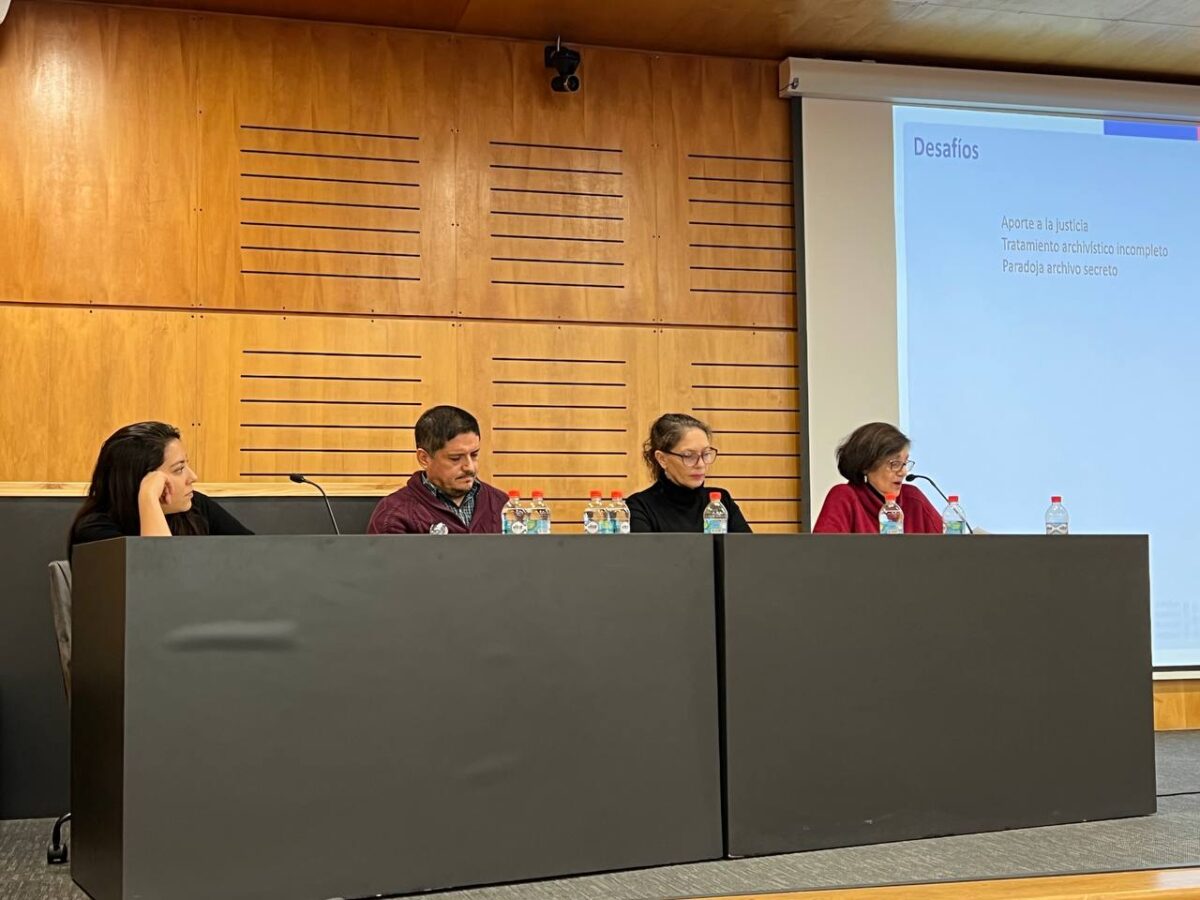
The first part of the activity involved participants providing details on how these files were found, the work that has been done with this material, and how it is ultimately made available for searching for information that is relevant to the investigation processes. Leslie Araneda, Coordinator of the Digital Archive Area and member of the Londres 38 Working Group, Margarita Romero, President of the Association for Memory and Human Rights of Colonia Dignidad, Roberto Manríquez, from the National Memory Archive , and Camila Diaz, Executive Director of the IMFD, presented at this working group .
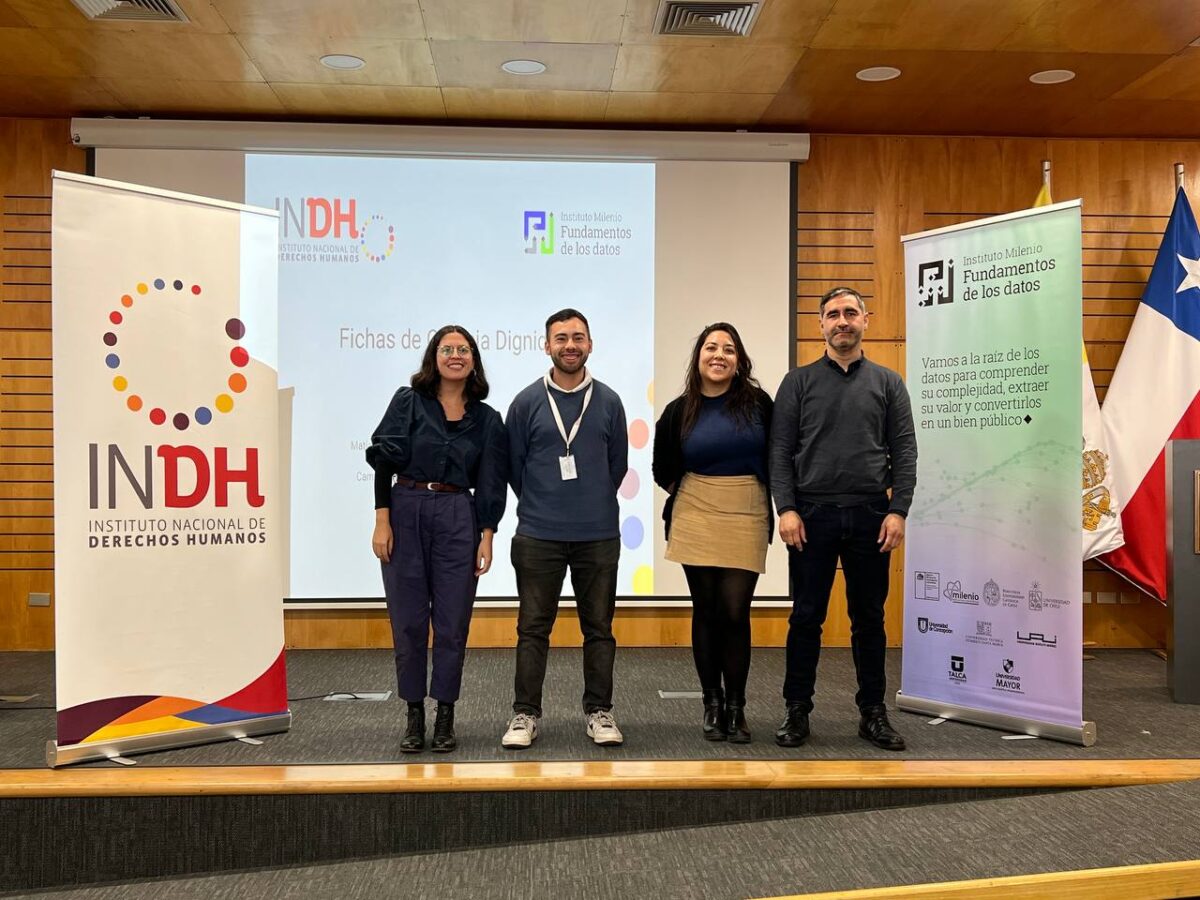
In the second part of the day, the National Institute of Human Rights presented the work carried out in these archives, and the objectives of the collaboration with the IMFD, followed by a demonstration of Millennium Institute Foundational Research on Data by analyst Camila Rojas from the demo.imfd.cl platform, based on the multimodal Millenium DB engine, which allows visualization of the graph constructed with the information contained in the Colonia Dignidad files.
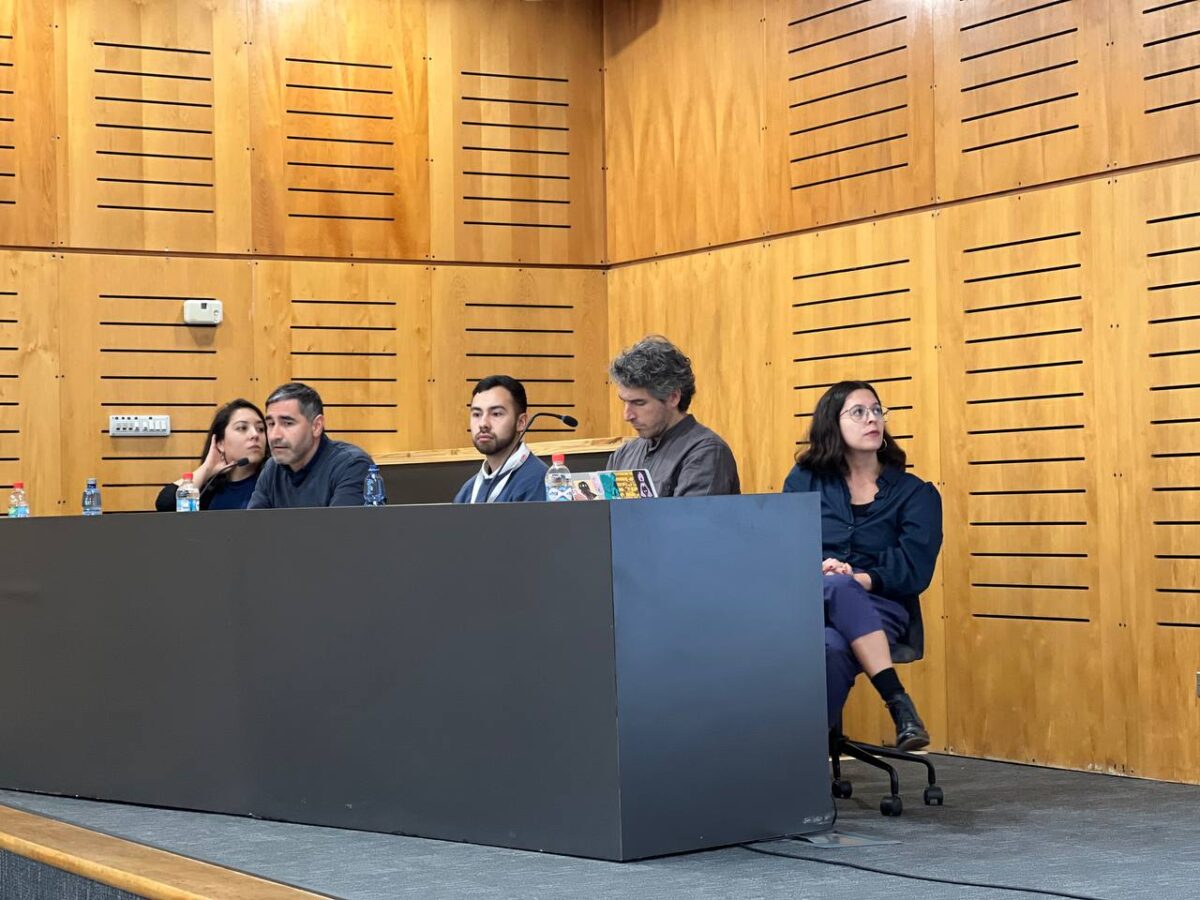
Juan , director of the IMFD, highlighted that the institute is a pioneer in the development of cutting-edge technological tools for managing large volumes of information. "We are the only institution in the world with open-source software that is fast enough to compete head-to-head with commercial programs and capable of managing knowledge graphs. This technology is key to addressing big data problems such as those involved in this research," he said.
Roberto Manríquez, from the National Memory Archive, highlighted the strategic value of this type of initiative: "The immensity of the work to be done, the volume, the scale, makes it impossible for individual researchers to access different documentary collections: this initiative would allow, in a much faster way, saving an impressive amount of time, to link different archive collections to obtain information."
Leonardo Urrutia, head of the Memory, Archives, and Documentation Department at the INDH, praised the joint effort: "In this first stage, we have been able to make progress in reviewing a very large volume of information in a limited amount of time. This type of collaboration not only optimizes our work, but also opens up the possibility of integrating new sources and archives for the analysis of memory and human rights."
Urrutia emphasized the importance of making these methodologies available to other institutions and groups: "The ability to cross-reference data and generate comprehensive analyses significantly broadens the impact of archival work, both for research and for truth, justice, and memory."
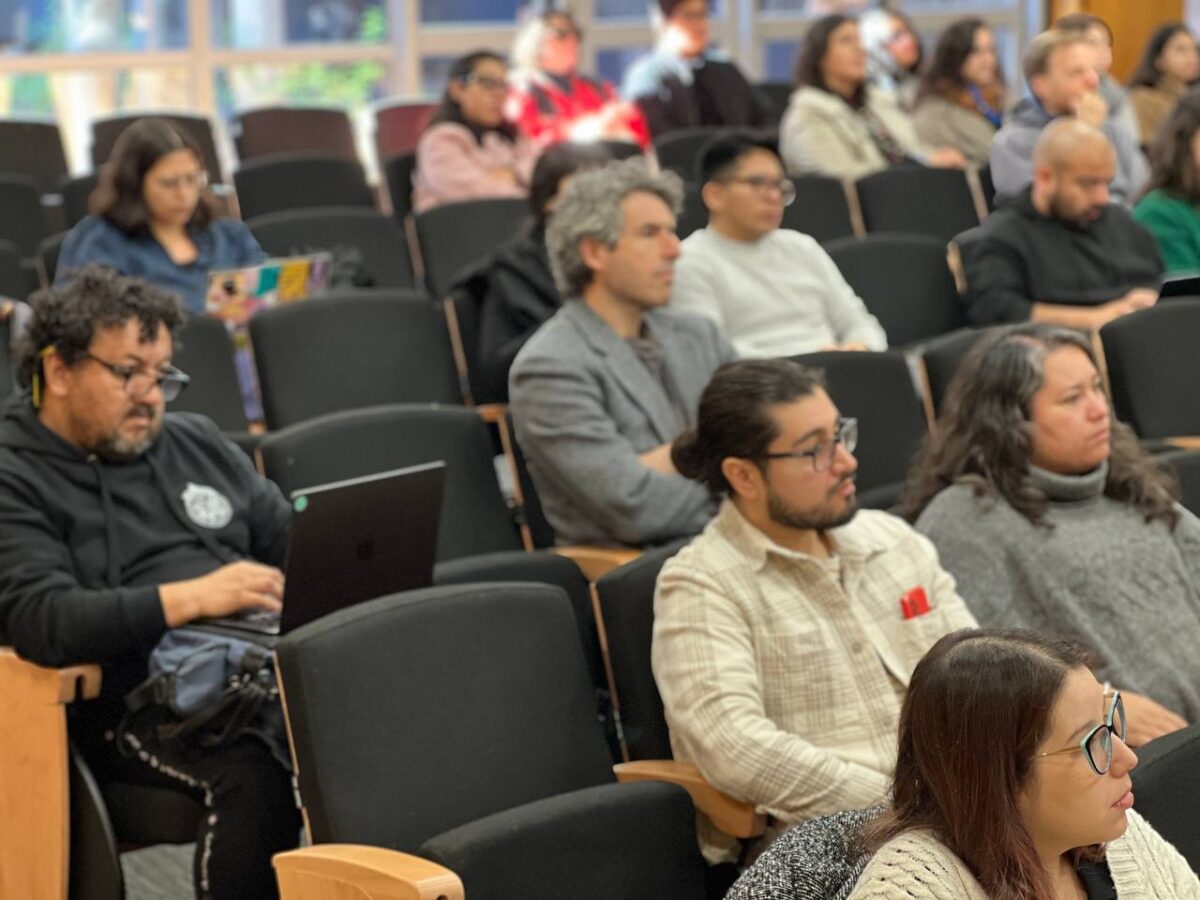
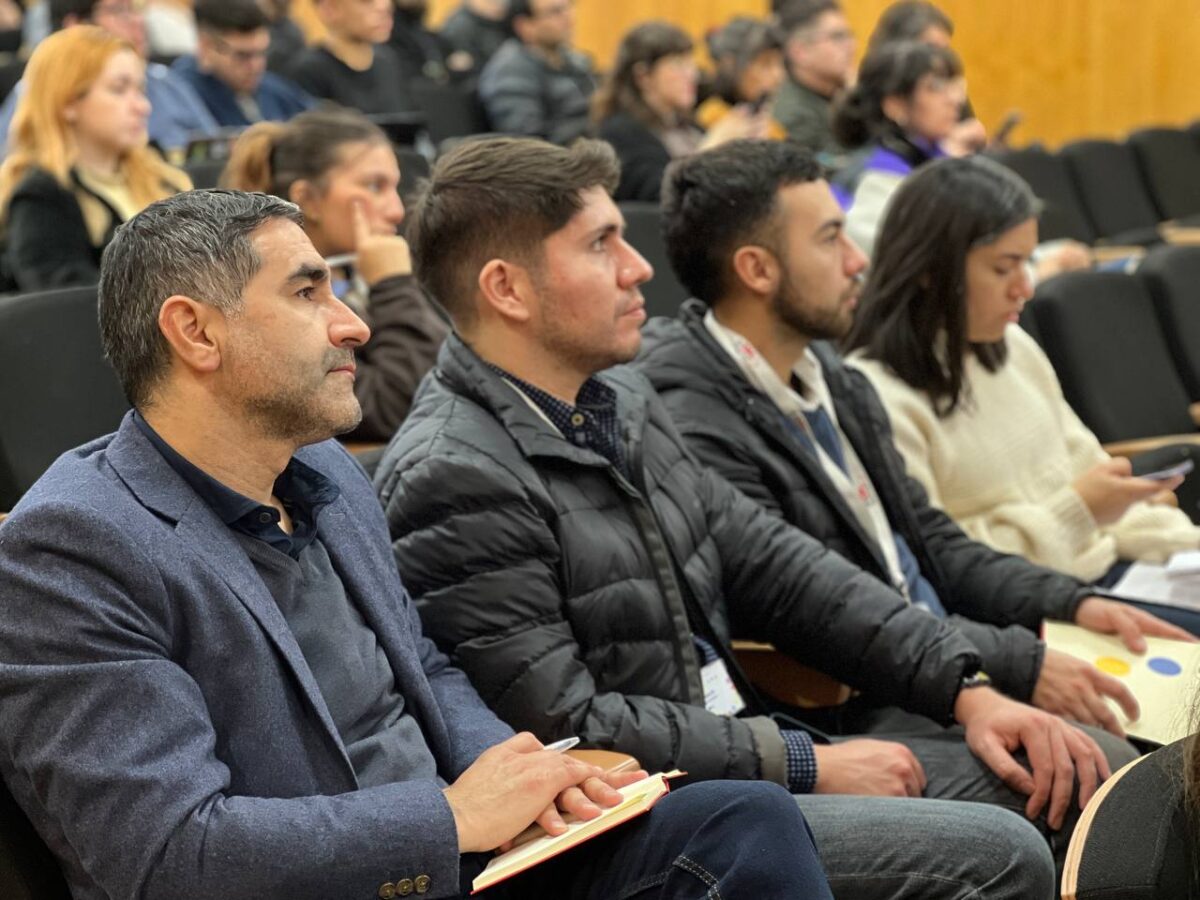
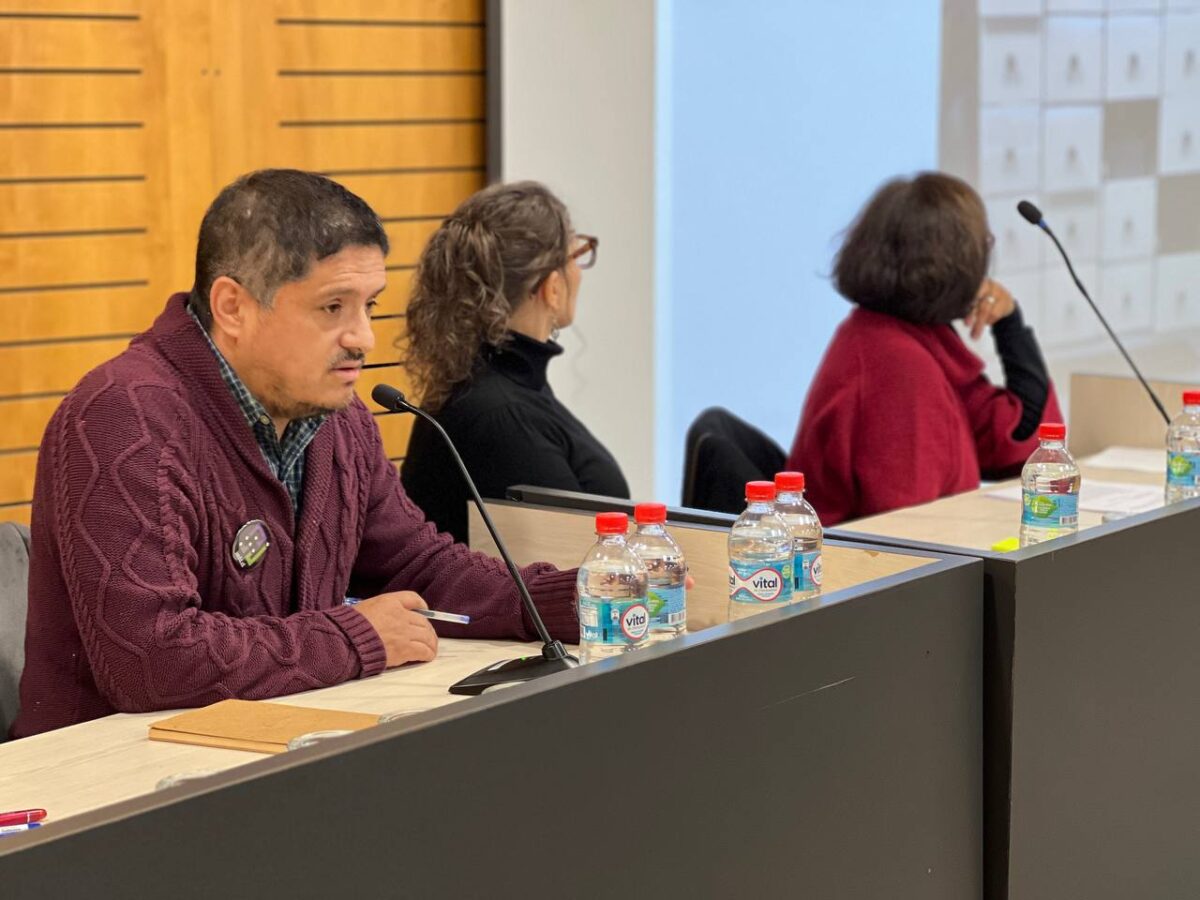
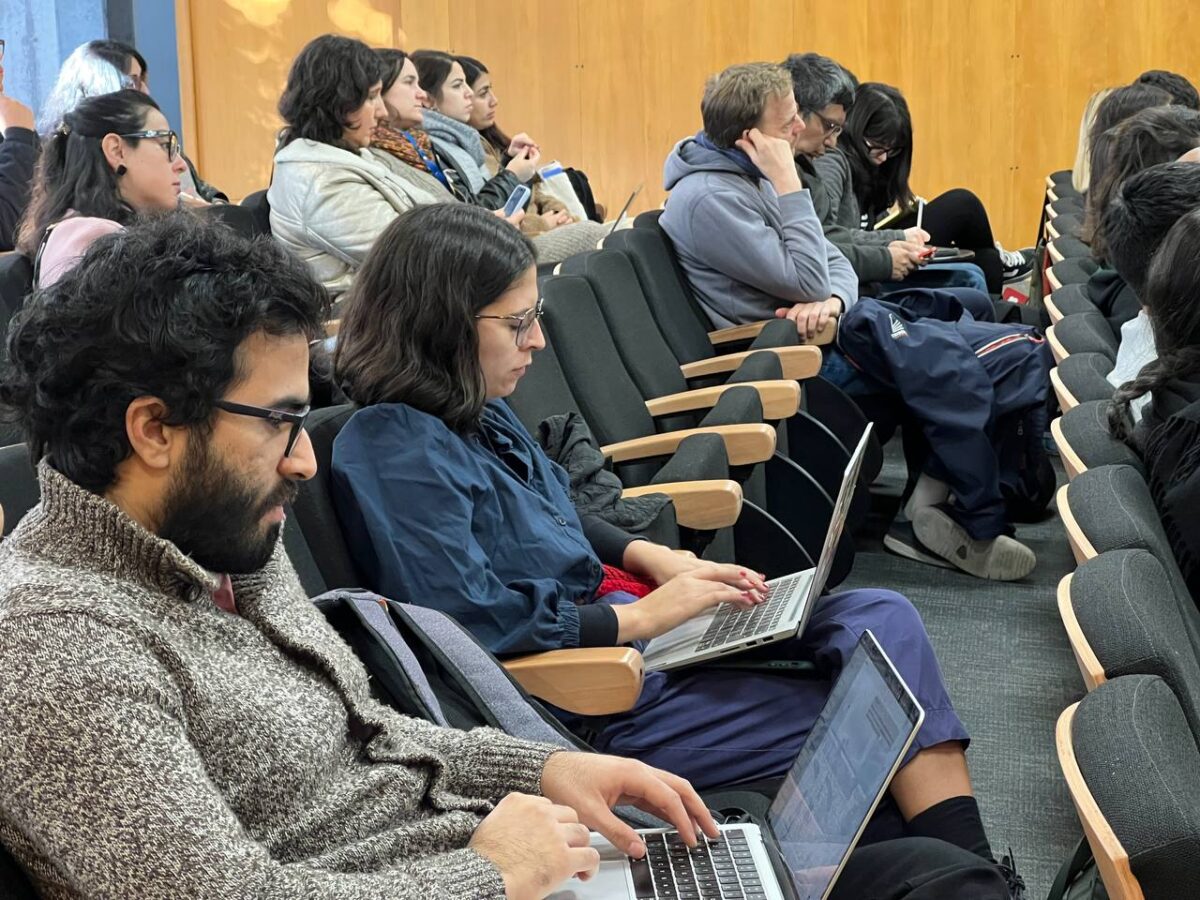
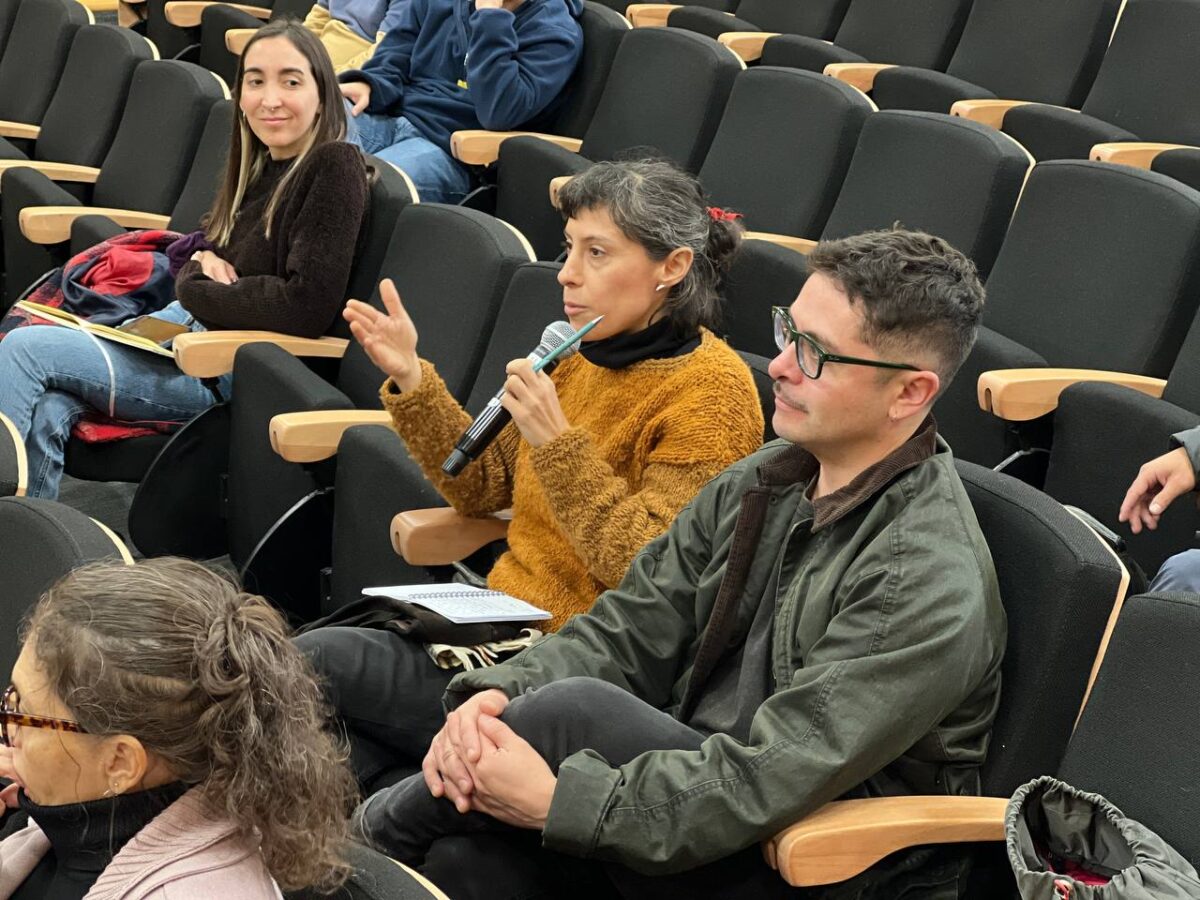
Civil society emphasized the urgency of advancing the digitization and opening of archives. Margarita Romero, president of the Association for Memory and Human Rights Colonia Dignidad, stated: "We believe we are very behind in this. Archives that are more than 20 years old should be completely digitized and accessible to contribute to processes such as the National Search Plan. We would save months of work if we could simply access the necessary files with a click."
The workshop is positioned as a concrete example of interdisciplinary collaboration that reflects the potential of the intersection between technology, data science, and transitional justice, with the aim of strengthening the country's historical memory and seeking a way to actively contribute to truth and reparation, always with a focus on turning data into value for our society.
The Colonia Dignidad Files
According to the Museum of Memory and Human Rights, the Colonia Dignidad files are the only material record in Chile that document crimes against humanity, such as illegal detention, torture, and murder, in transcripts of interrogations and files that were compiled with information provided by DINA agents to German colonists during the 1973-1990 civil-military dictatorship.