
The University of Bío Bío joins Vincula, a project led by Chilean universities and developed by the IMFD to improve legislative quality.
In a joint effort to strengthen the role of scientific knowledge in public policy-making, the Pontifical Catholic University of Chile (UC) and the University of Bío-Bío (UBB) signed a collaboration agreement that formalizes the latter's incorporation into the Vincula project, a digital platform that seeks to connect academics and researchers with decision-makers in the legislative sphere and already has 15 universities integrated and 6 in the process of doing so.
This technological product is led by the Pontifical Catholic University of Chile together with the University of Concepción, with the participation of the Senate, the Chamber of Deputies of Chile, and the Library of the National Congress. Furthermore, the technological development and maintenance of the platform is carried out by the Innovation area of the Millennium Institute de los Datos (IMFD) under the mandate of the UC.

Its main objective is to bridge the gap between those who produce scientific knowledge and those who draft laws, promoting legislation based on robust, diverse, and up-to-date evidence. Technically, the platform integrates with universities, which make information from scientific publications produced in the country available.
This web application applies machine learning techniques that, using information from both universities and Congress, allows links to be made between topics of interest and academics who specialize in those areas, so that knowledge and scientific evidence are easily accessible to those who work on creating legislation in our country.
A recommendation system created by the IMFD
Through an interdisciplinary team, the IMFD has led the development of this digital tool that allows academics, parliamentarians, and advisors to access profiles that reflect the expertise of academics in order to consult a public registry of scientific contributions to legislative processes. For example, experts in certain fields can use this platform to search for those whose work could enrich the debate or contribute to the process of creating a law.
All this is achieved with a web application that uses advanced language processing techniques to detect similarities between scientific research and other texts, which may be searches entered by users or draft legislation currently being processed. Based on publicly available information from universities, the system automatically creates anonymous profiles of experts.
Ignacio Núñez, head of the platform development team and DevOps Engineer at the IMFD Innovation Department, points out that "the platform offers researchers the opportunity to participate in a community of academics interested in legislative discussions, as well as access tools that allow them to learn in detail and stay abreast of the law-making processes that are of interest to them. It also allows them to make their work visible to the parliamentary community."

Since its inception, IMFD has played a key role in the design and evolution of Vincula, not only from a technological perspective, but also by actively participating in interdisciplinary dialogues that have enabled the creation of this long-term alliance between academic institutions and legislative actors. The Institute has placed its capabilities in data science, software development, and open access to knowledge at the service of the country.
"For the IMFD, Vincula represents a concrete opportunity in which technological advances and data processing can have an impact and make a contribution in areas as diverse as the creation of laws in our country. In this sense, the platform hopes to ensure that the knowledge generated within universities plays a relevant role in parliamentary discussions," Núñez points out.
Currently , the IMFD Innovation team actively working on the platform consists of Gabriela Contreras and Ri Díaz Campos as software developers, as well as Ignacio Núñez, head of platform development.
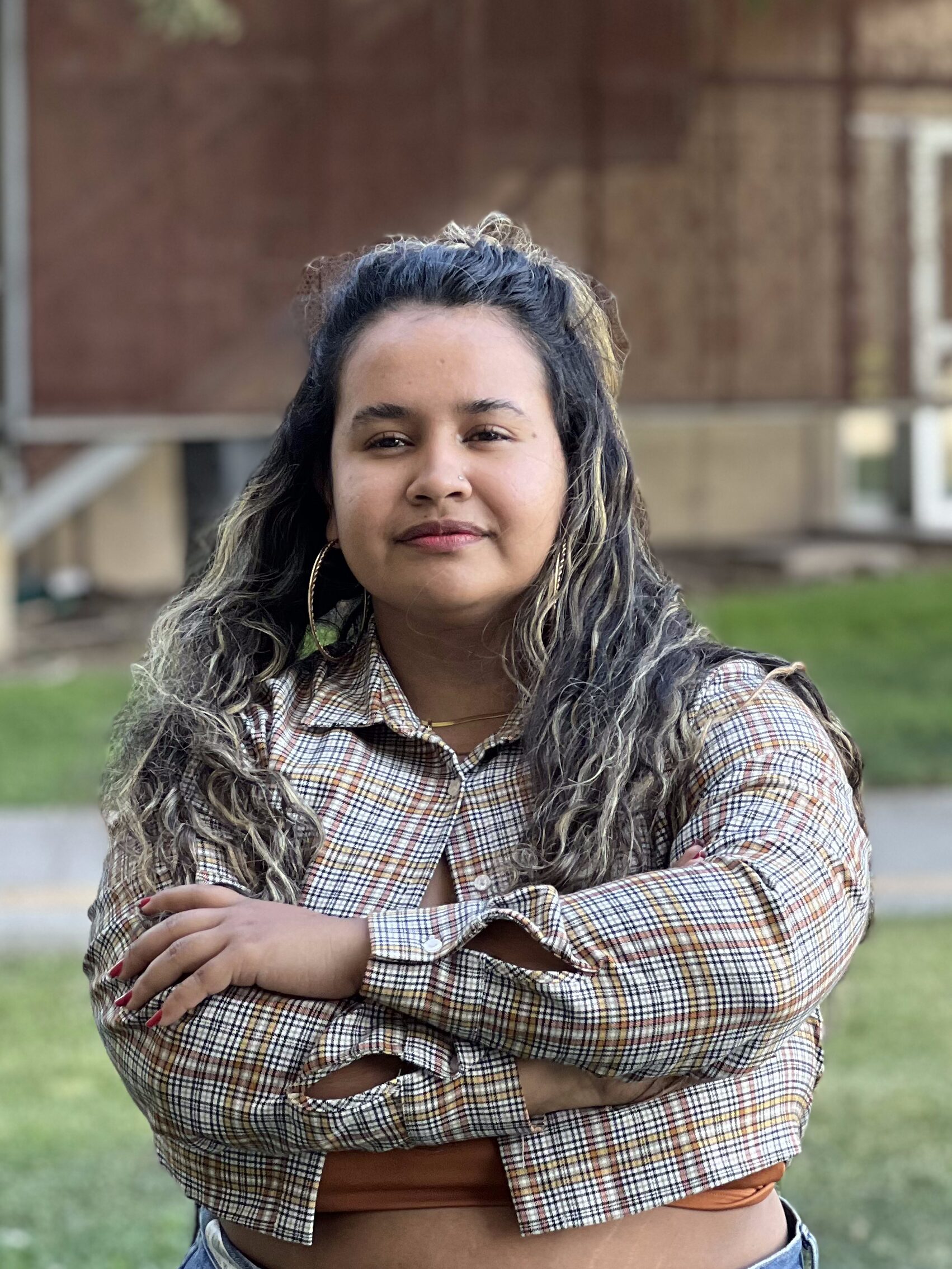
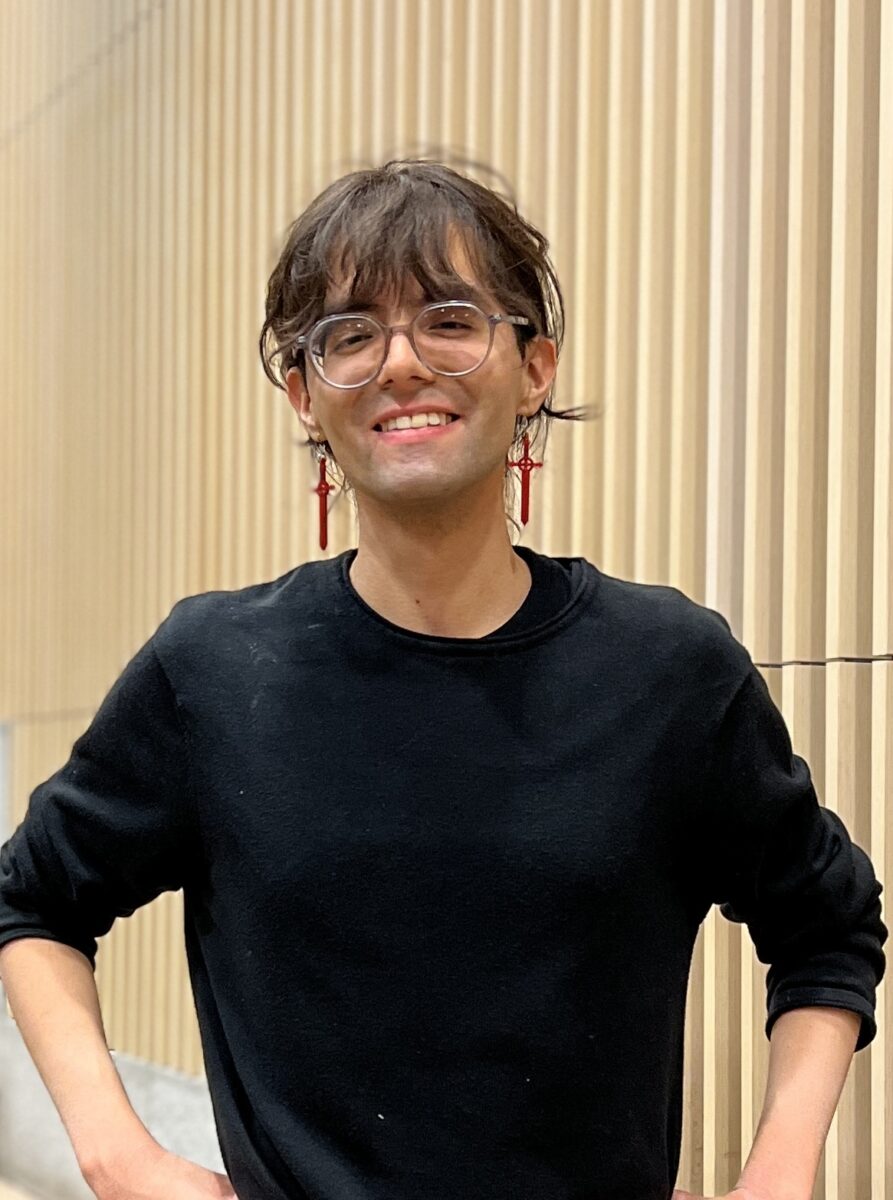
With the recent incorporation of the UBB into the project, Vincula continues to consolidate itself as a meeting place between science and politics, with a view to more informed and evidence-based decision-making, backed by the IMFD Innovation team, which efficiently and constantly collects, updates, and processes information from different sources.