Robust Information Structures
This research line addresses the challenges related to disinformation, hate speech, and polarization, proposing computational and social solutions to strengthen the quality of information systems and promote a more balanced understanding of reality.
The approach combines computer science, communication science, and political science, integrating mixed methods for the analysis of digital phenomena and developing new methodologies for processing large volumes of data.
Its research areas include: the study of the emergence and spread of disinformation, the analysis of uncivil conversation on digital platforms, and the development of computational tools to improve robustness, explainability, and control in recommendation systems, natural language processing, and semantic representation.
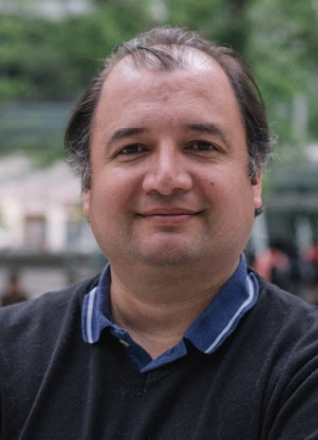
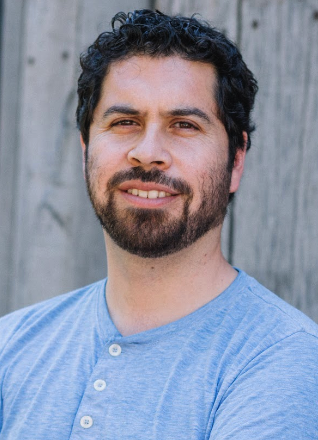
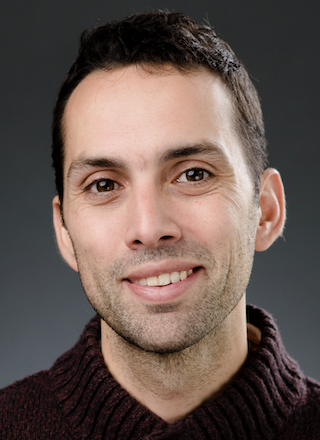
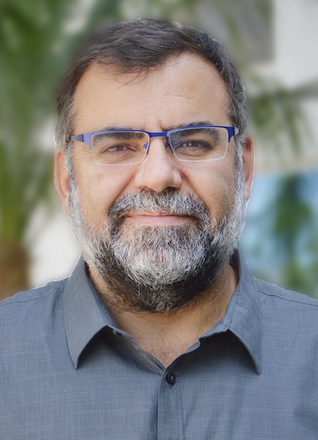
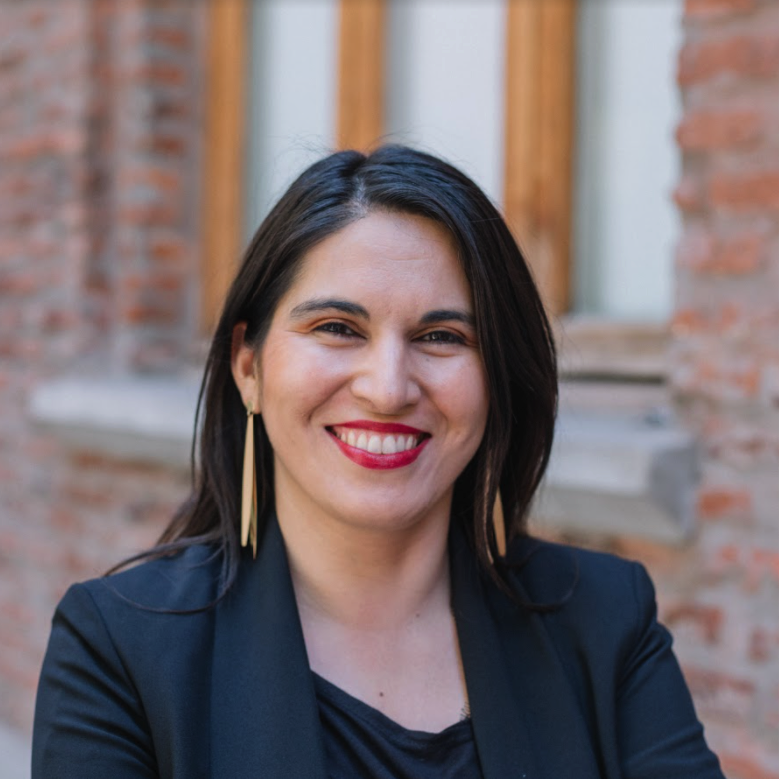
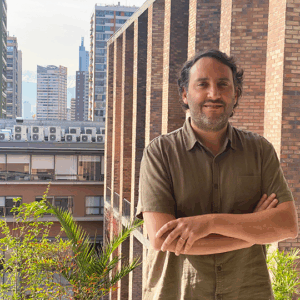
Magdalena Saldaña, faculty member at the School of Communications of the Pontificia Universidad Católica de Chile, together with Sebastián Valenzuela, faculty member at the School of Communications of the Pontificia Universidad Católica de Chile, lead this research line, which also includes Benjamín Bustos (Department of Computer Science of the Universidad de Chile), Bárbara Poblete (Department of Computer Science of the Universidad de Chile), Denis Parra (Department of Computer Science of the Pontificia Universidad Católica de Chile), Felipe Bravo-Marquez, (Department of Computer Science of the Universidad de Chile) and Ricardo Baeza-Yates, (Department of Computer Science of the Universidad de Chile)
Research line leaders
Research team