
Ricardo Vega contributes to the book "45 Symbols—Clay to Code" about the Phaistos Disc, the famous mystery of archaeology.
How artists and designers develop systematic approaches to visual language: this is the question that guides the work behind "45 Symbols: From Clay to Code, " the book featuring Ricardo Vega, professor at the UC School of Design, collaborator at DiLab (UC School of Engineering), and PhD student at IMFD.
Edited by Parsons designer and professor Pascal Glissmann, the book brings together works by artists and designers from around the world who visually reinterpret the graphics of the Phaistos Disc, one of the most enigmatic objects in the history of archaeology and media.
This 3,700-year-old disc has 45 different symbols engraved on it that have yet to be deciphered, and they have served as inspiration for these experiments in visual grammar.

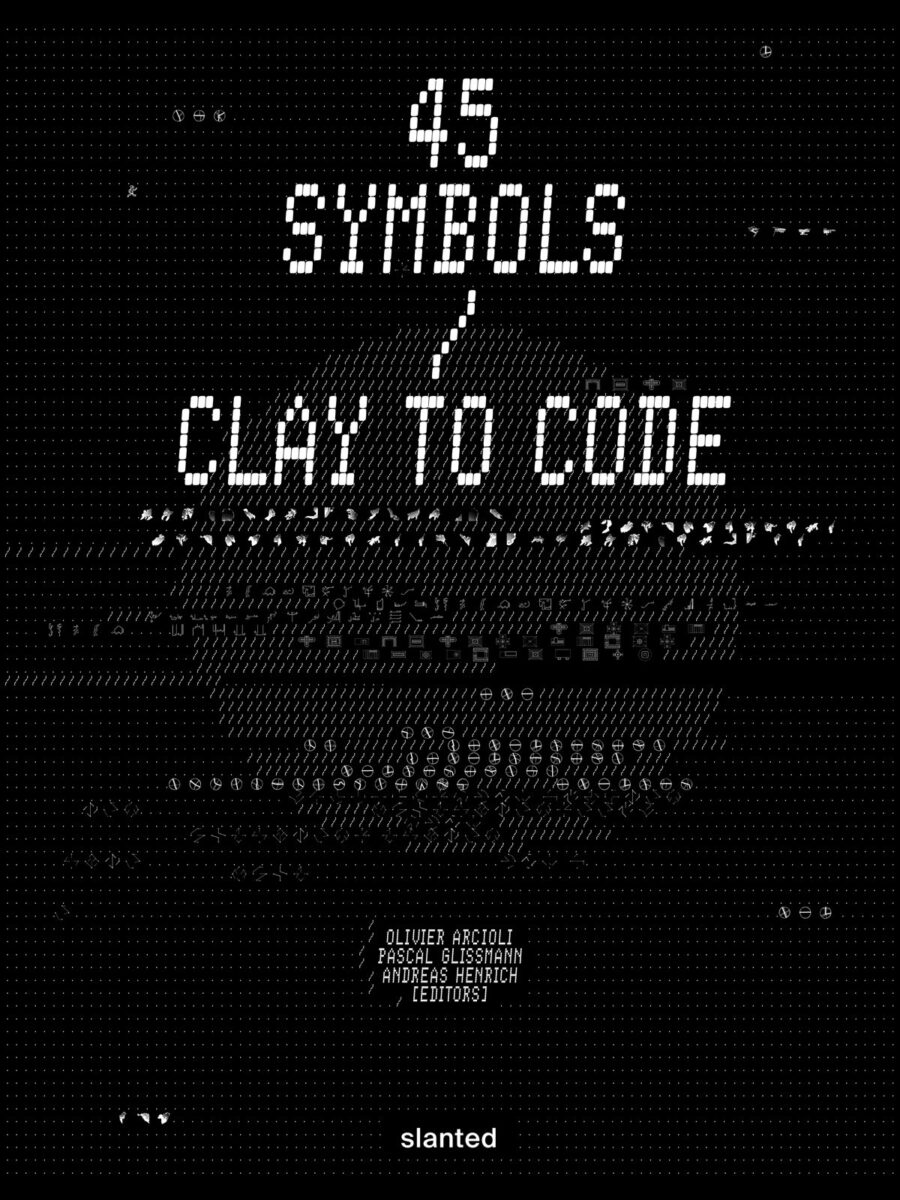
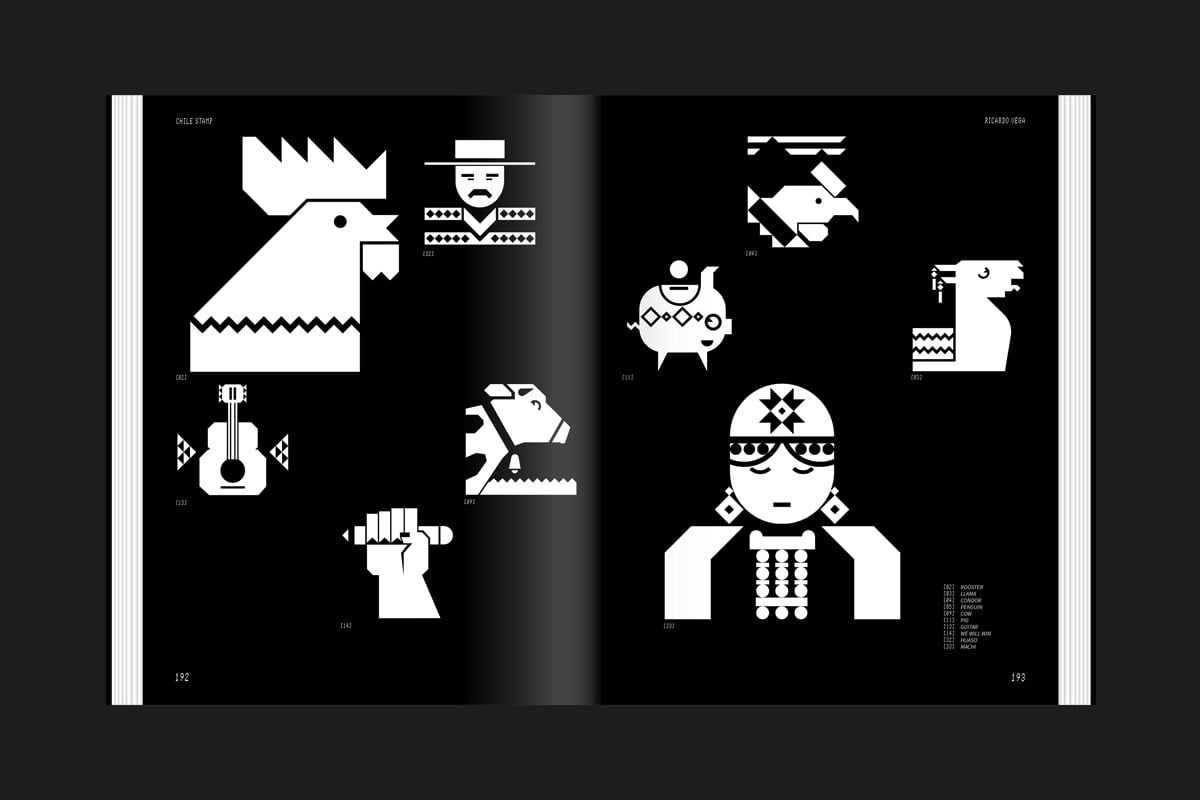
45 Symbols—Clay to Code explores how emerging artists and designers develop systematic approaches to visual language. From personal narratives to global issues, the works presented demonstrate how an original visual grammar can be constructed.
Over more than a decade, the international design seminars The Phaistos Project—Forty-five Symbols have evolved into a global community driven by open calls, workshops, exhibitions, and risograph publications. This volume, 45 Symbols—Clay to Code, brings together more than 2,000 symbols as a result of this collaborative effort. It is not only a living archive of research, but also a testament to collective experimentation, bold visions, and the expression of intercultural dialogue.
The book is available for pre-order and will be shipped once published in January 2026 at https://www.slanted.de/product/45-symbols-clay-to-code/.